A Celebration of Family, Food, and Fine Wine
JP’s favorite bottles and simple tips for hosting a warm, elegant French-style Christmas Eve dinner.
In France, Christmas is a cozy but elegant affair. A time for family, loved ones, and time well spent at the table. The true celebration happens on Christmas Eve, when families gather for “le réveillon”, a long, leisurely dinner that stretches late into the night. Every detail is considered, from candles in simple glass holders to crisp linens, and the French fondness for silverware rests that keep the table spotless between courses. These small gestures remind me of home and family.
This year, I invite you to host your own French-style Christmas Eve, complete with wines that reflect the diversity of France’s vineyards. Think intimate over extravagant, thoughtful over complicated, and delicious over everything else.
Wine is part of everyday life in France, but le réveillon is special. It is the one night of the year when I reach for the bottles I’ve been saving for the people I love most. Below are the wines I’ll be pouring this year, and my suggestions for how to host a French-style Christmas Eve wherever you are.
Start the Evening Right
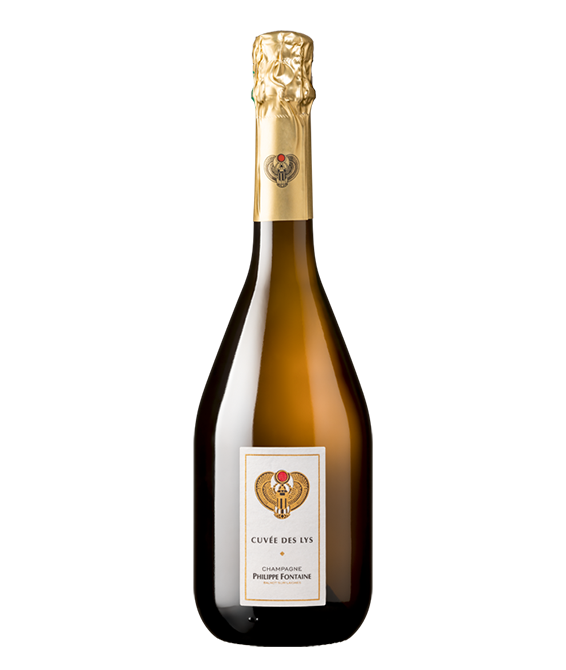
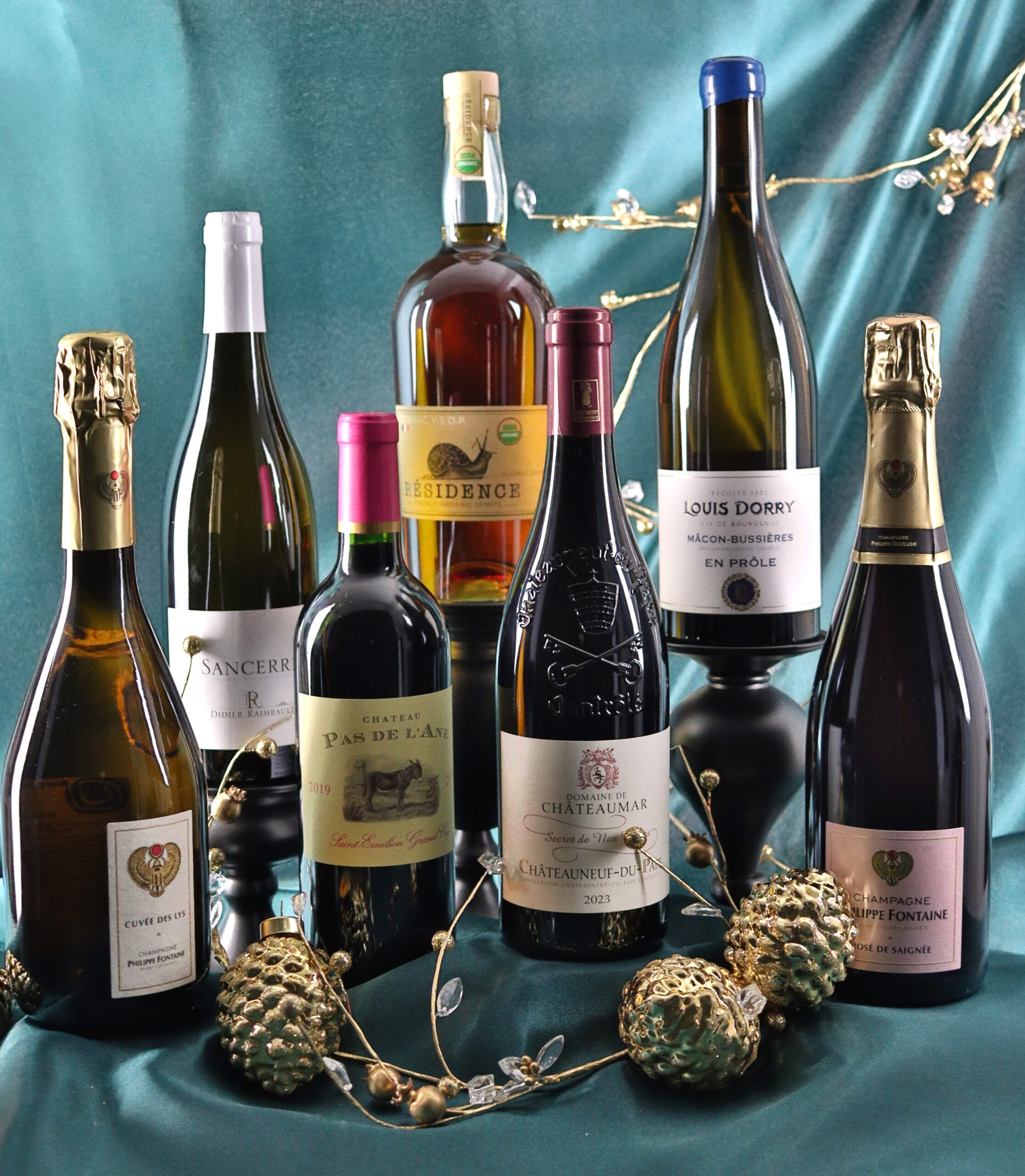
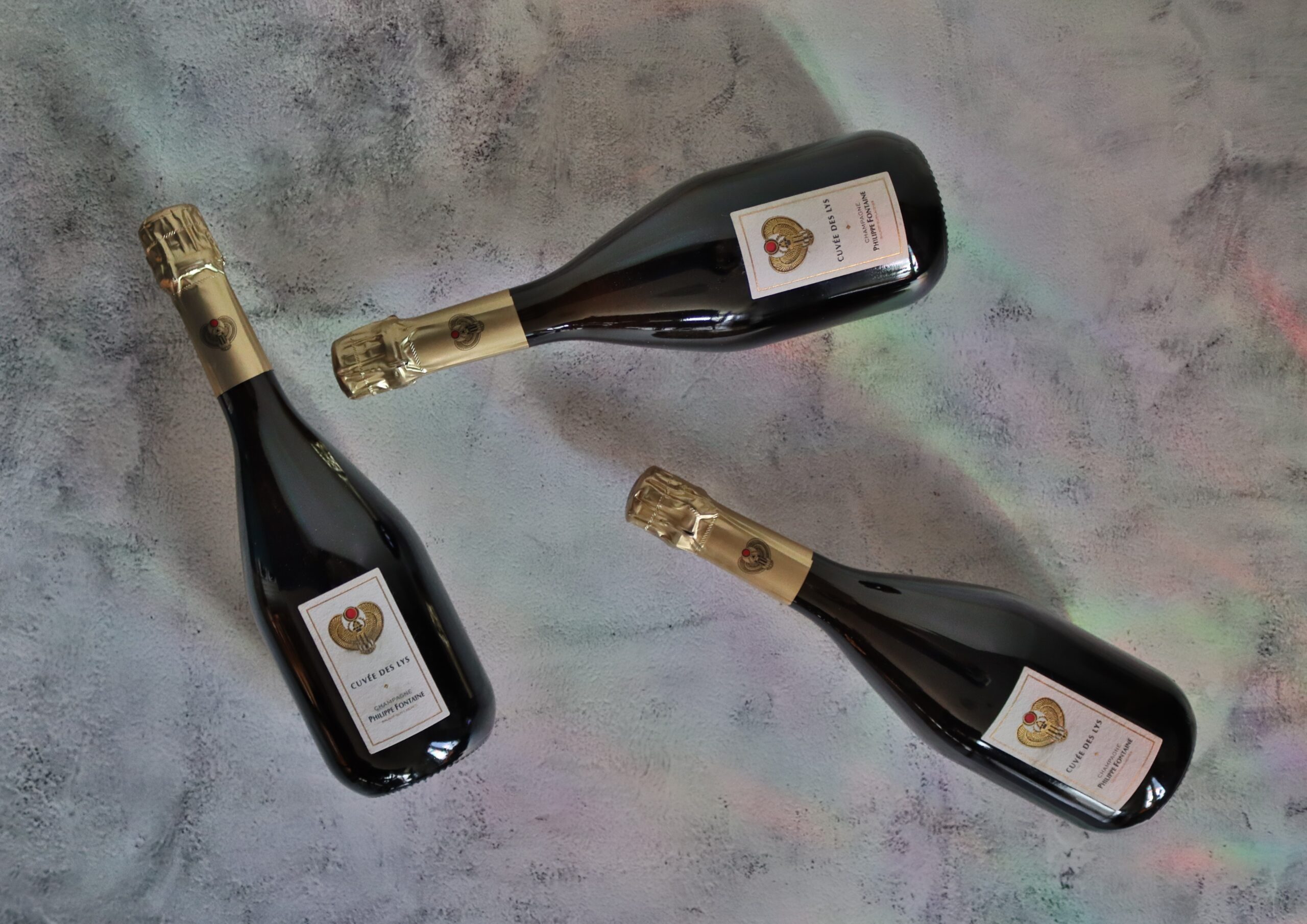
Philippe Fontaine Cuvée des Lys Blanc de Blancs Pinot Blanc (Champagne)
In France, every day is a good day for Champagne, but Christmas Eve is where it shines brightest. There’s no more elegant and festive way to make your guests feel special than greeting them with a glass of bubbles as they arrive.
This gorgeous Blanc de Blanc made from 100% Pinot Blanc is my go-to for special nights. The Philippe Fontaine Cuvée des Lys Blanc is redolent of white flowers, pear, and toasted almond; the wine is fresh and complex. A perfect start for an evening with family and friends. I like to serve it with something light and celebratory, such as gougères (cheese puffs), smoked salmon toasts, or a few perfectly poached shrimp.
The Seafood Course
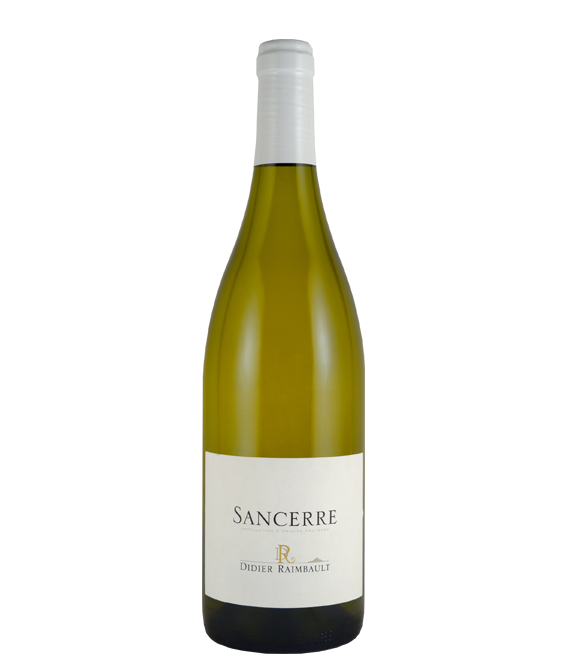
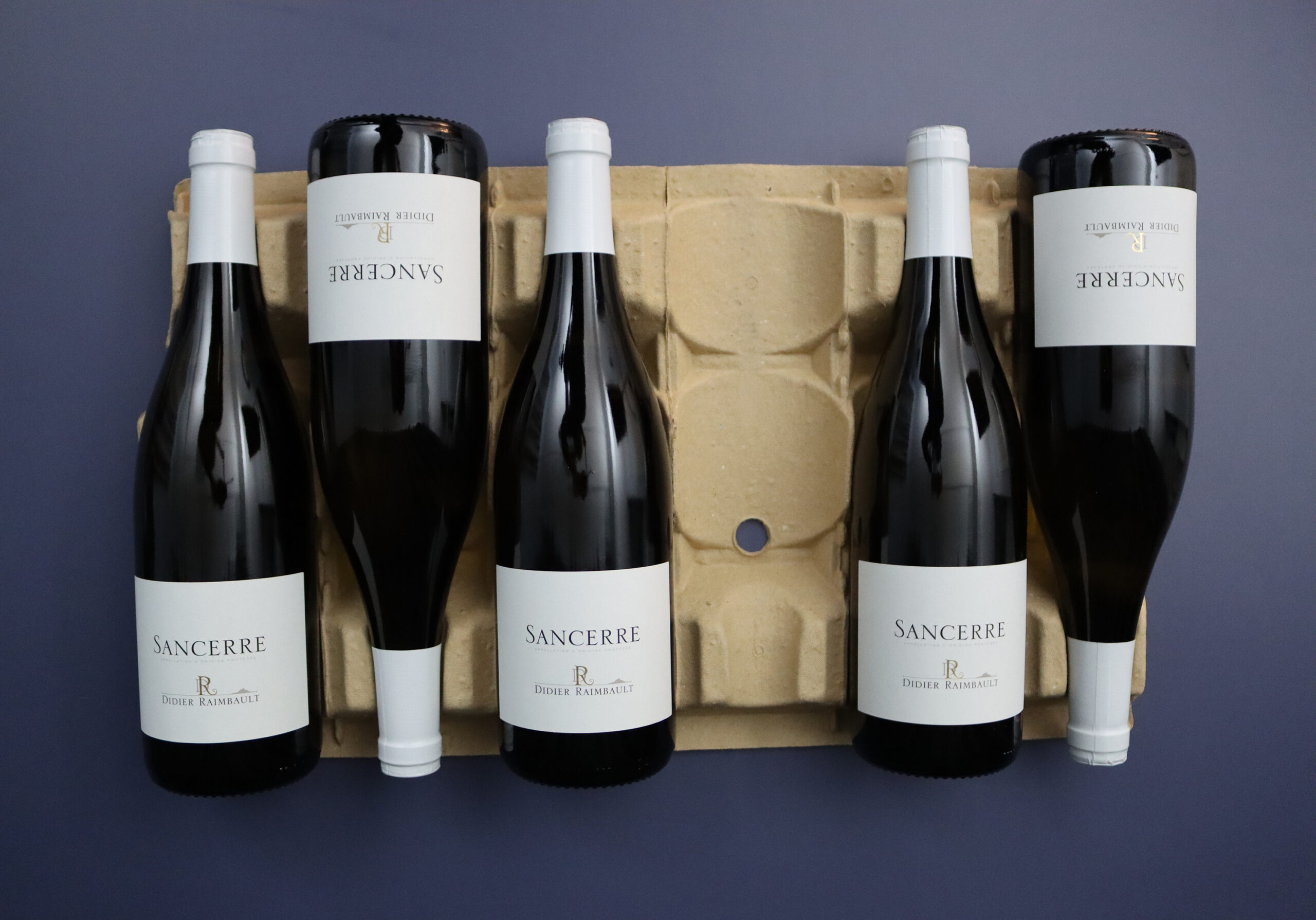
Didier Raimbault Sancerre Blanc (Loire Valley)
A traditional French réveillon unfolds slowly, with multiple courses, a pace designed for conversation and connection. Early in the meal, a seafood course honors France’s deep affection for the ocean. Platters of oysters, shrimp, or scallops are a staple on holiday tables from Brittany to Provence.
For the seafood course, I love Didier Raimbault’s Sancerre. This pure Sauvignon Blanc from Verdigny is the essence of limestone and light, crisp, mineral, and alive. I think there is something magical about Sancerre with seafood. Like the vineyard and the sea are speaking to each other.
The Fish Course
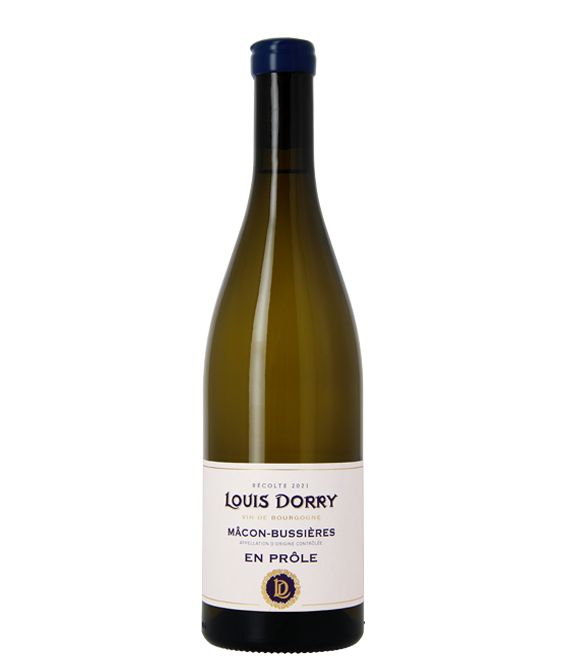
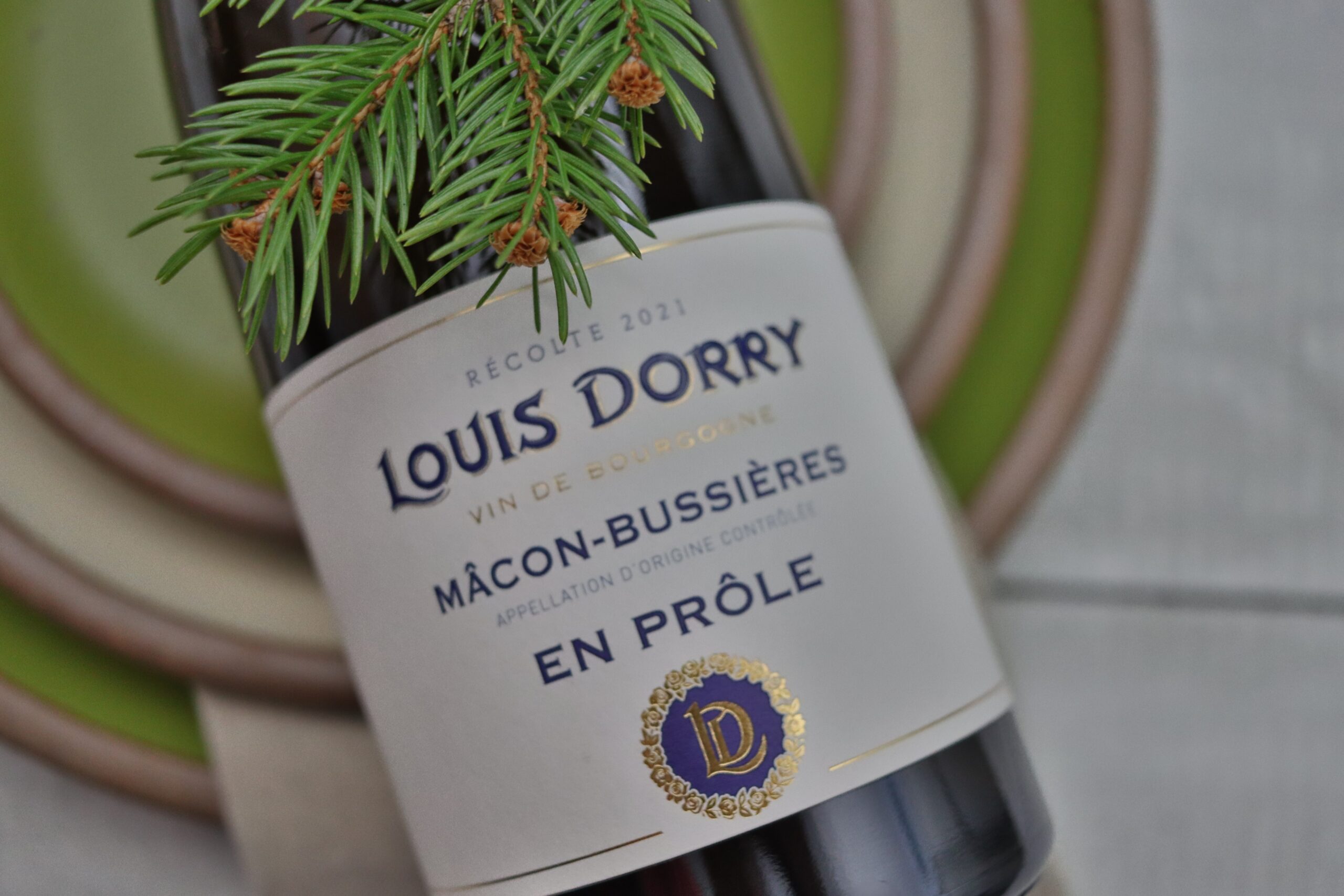
Louis Dorry Mâcon-Bussières “En Prôle” (Burgundy)
Following the freshness of the sea, we move to a warm fish course, something gently cooked or baked, usually served in a sauce. Think sole meunière, trout with almonds, or even a classic salmon en croûte.
The choice is obvious: Louis Dorry’s Mâcon-Bussières brings balance and grace to this moment. A lean, classical Chardonnay that recalls old-school Burgundy, it tastes of green apple, hazelnut, and limestone.
The Main Event
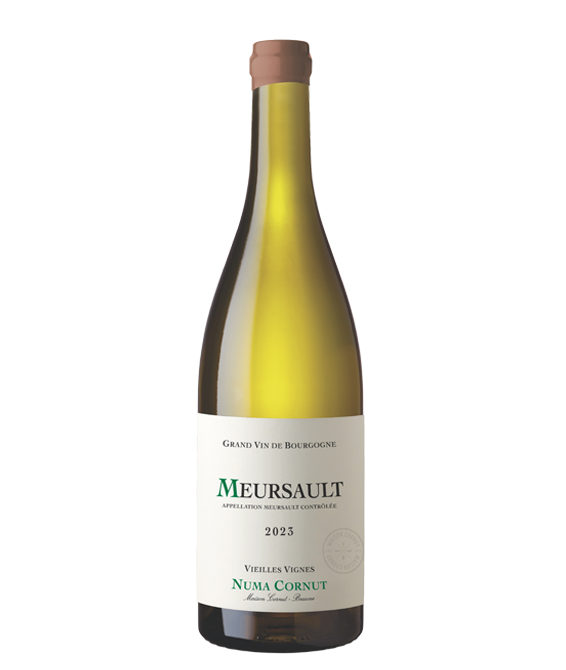
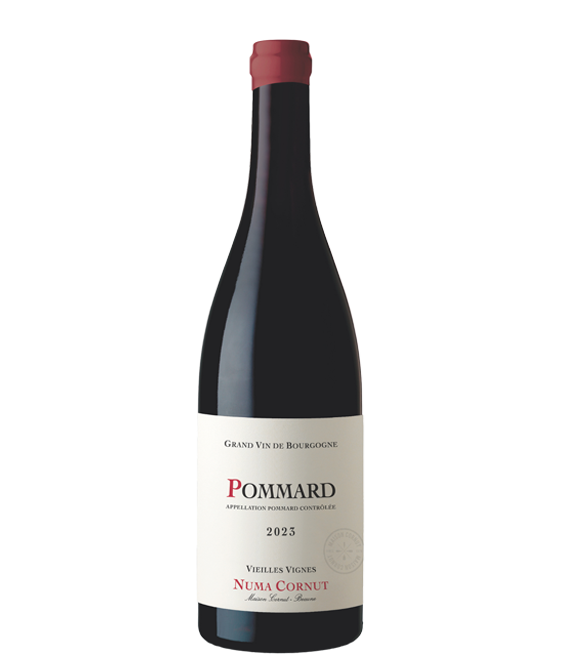
Numa Cornut Meursault and Numa Cornut Pommard (Burgundy)
When the main dish arrives, the wines rise to meet it. Out come rich dishes that invite generosity from the cellar. On Christmas Eve, that means roast poultry, duck, or lamb.
Here, I have two options for you: The Meursault from Numa Cornut is golden and layered. A perfect complement for creamy sauces and roasted chicken or duck. The Numa Cornut Pommard, with its deep red fruit and structured spice, brings warmth and gravitas to red meats or game. Meursault and Pommard are like the king and queen of the table. They remind us why Burgundy is so iconic.
Just a few touches like linen napkins, candles in simple glass holders, and a basket of perfectly baked sliced baguette on the table add that perfect homey French vibe.
The Cheese Course
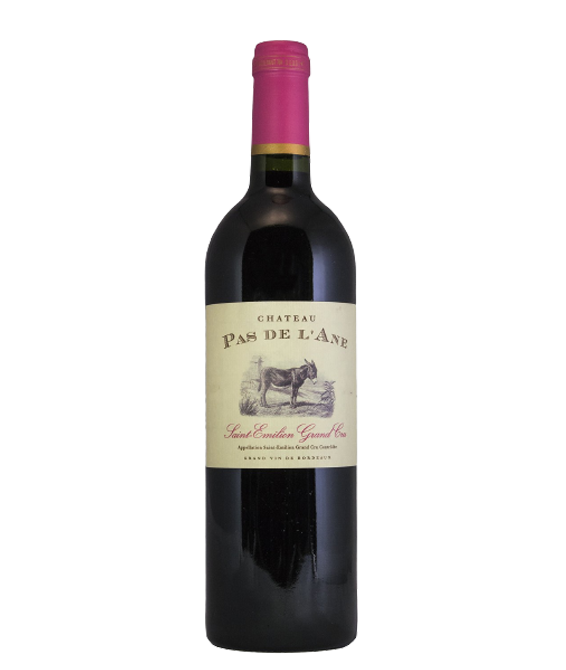
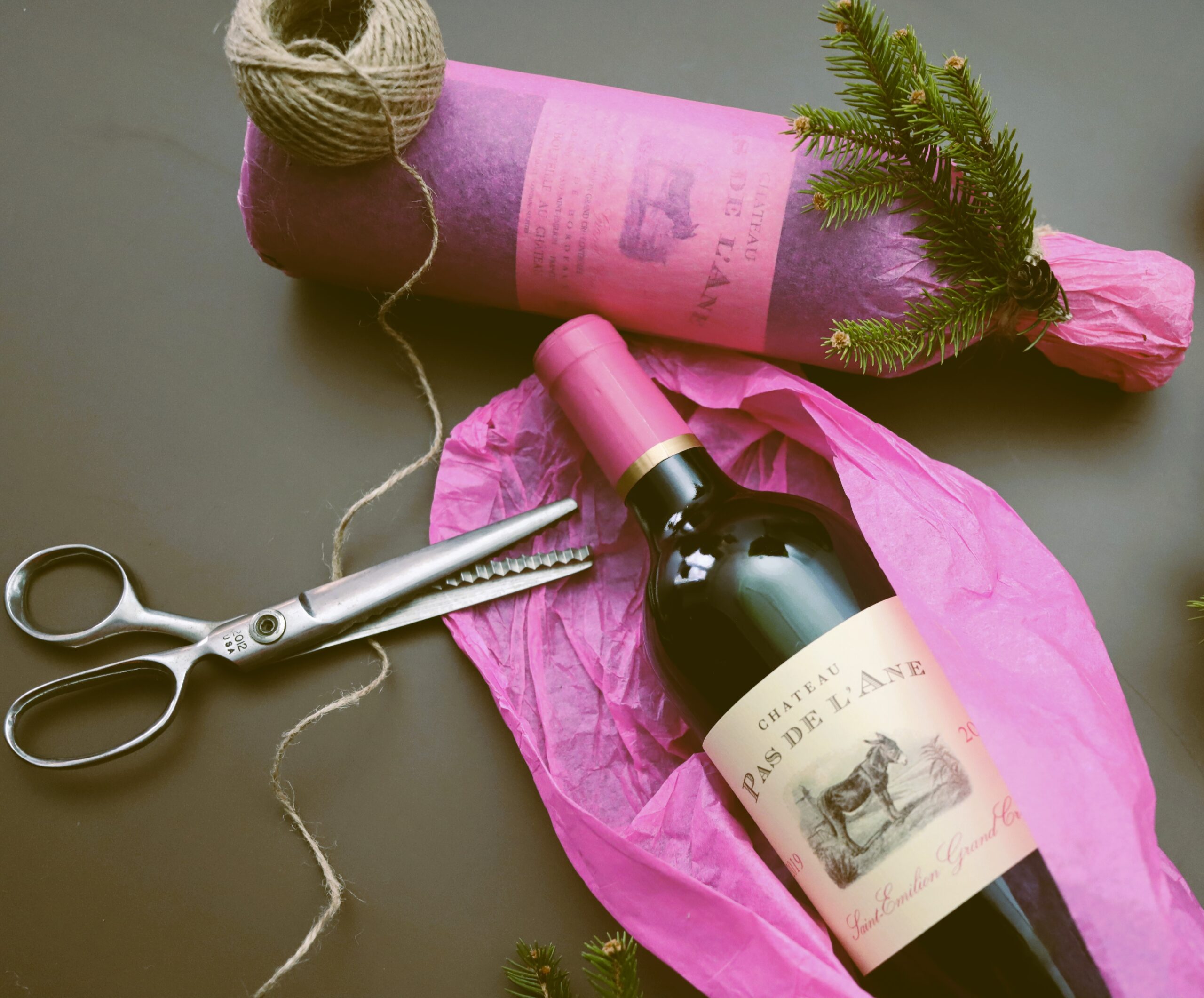
Pas de l’Ane Saint-Émilion Grand Cru (Bordeaux)
No French feast is complete without cheese. After the main course (but before dessert) comes a simple plate of cheeses served at room temperature. This is the moment to slow down, refill glasses, and linger.
No night of French wine is complete without a Bordeaux. The cheese course offers the perfect opportunity to open up a bottle of Pas de l’Ane Saint-Émilion Grand Cru. With its black fruit, cedar, and spice, it pairs beautifully with aged Comté, Brie de Meaux, or Saint-Nectaire.
Something Pink and Perfect for Dessert
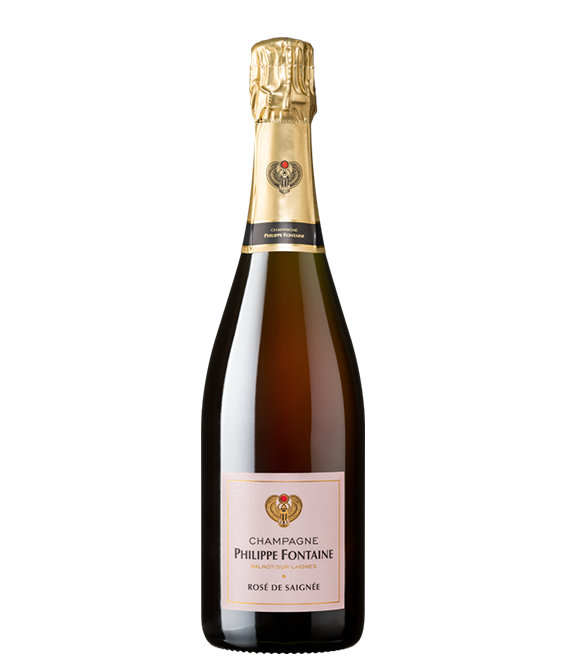
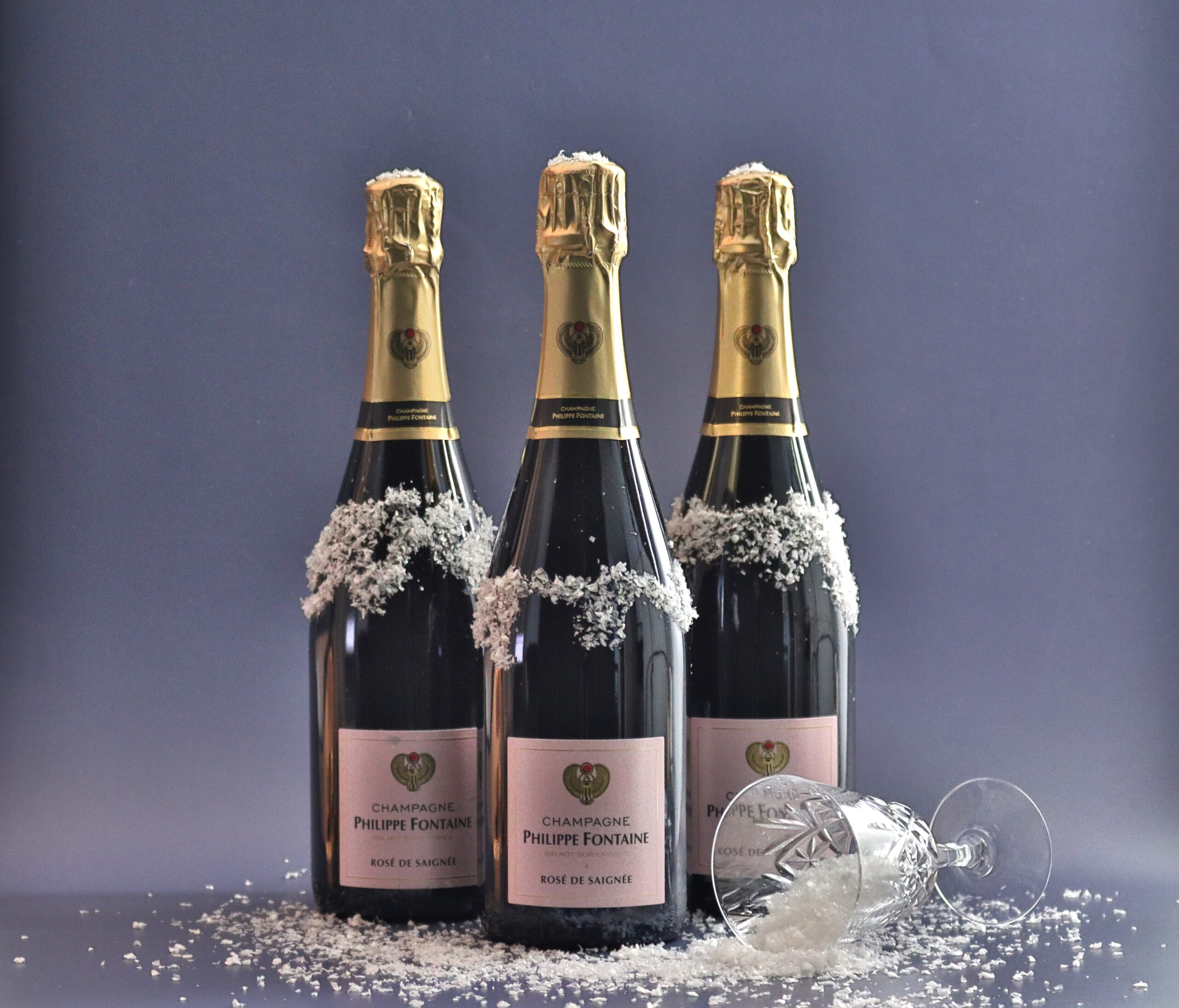
Philippe Fontaine Brut Rosé (Champagne)
In France, rosé Champagne is the guest of honor during special occasions, and what better time than Christmas Eve? This saignée-method rosé is powerful and refined, with savory red fruit and structure. You will find that French desserts are often lighter than their American counterpart, and nothing is more traditional than a bûche de Noël. You could also choose poached pears or a selection of petits fours. Rosé Champagne has a way of reviving people. By this point in the night, it’s the perfect spark.
Finish with Grace
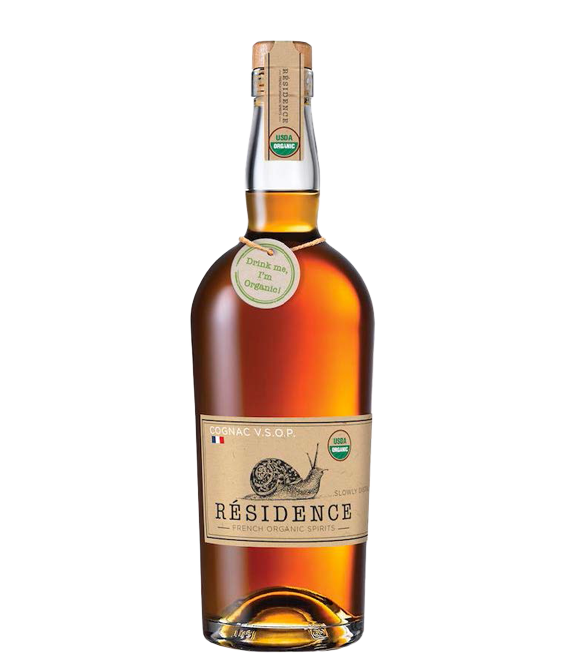
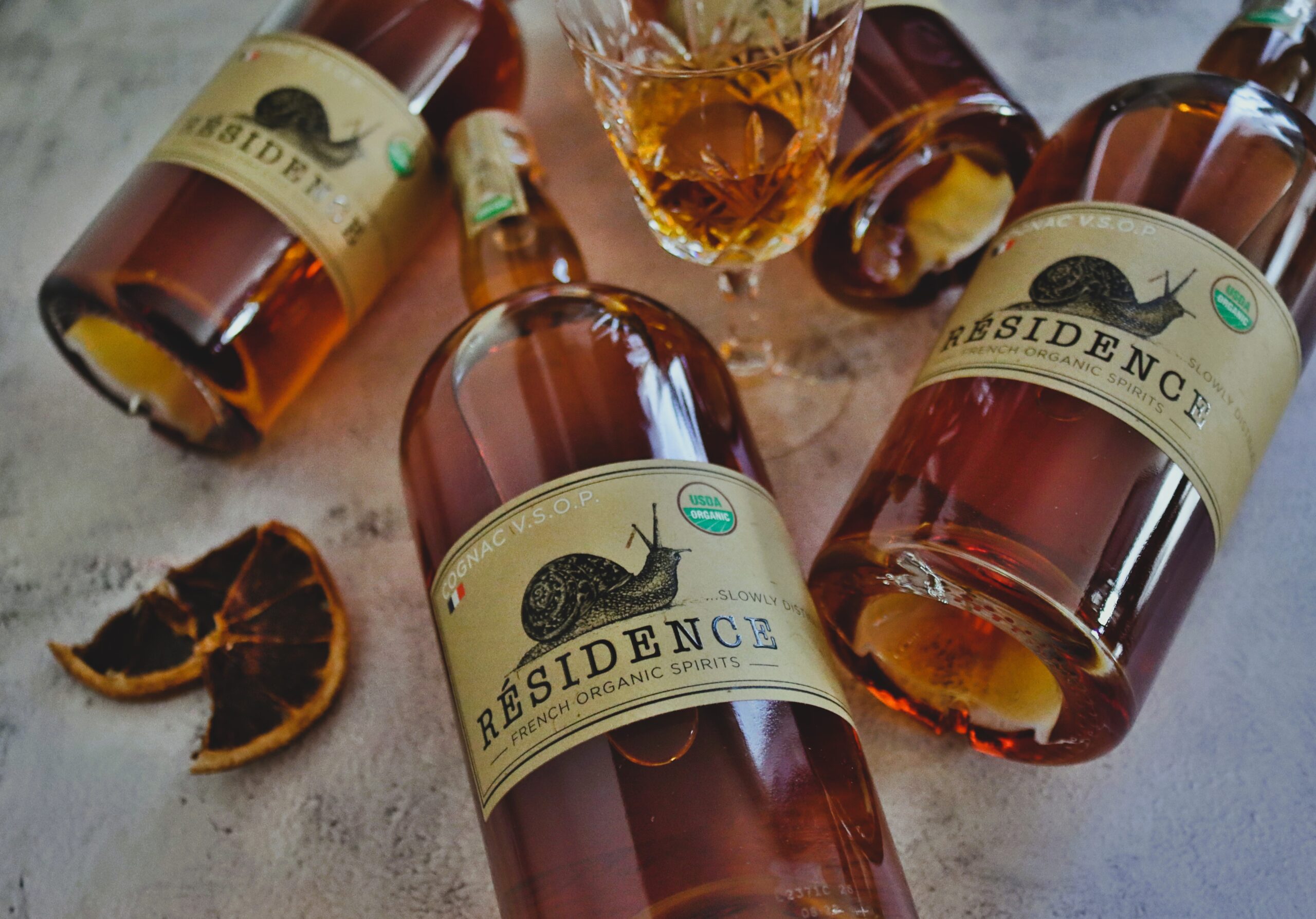
Résidence Cognac
After dessert and the tables are cleared, the French linger with a digestif and great conversation as they await the arrival of Père Noël (Santa Claus!) at midnight. Children are sent to bed in eager anticipation of what Santa will bring, while the adults tear open their gifts that evening.
I love to wrap up the night with a glass of Résidence Cognac. Aged five years in Limousin oak, this Cognac is smooth and layered, with notes of dried apricot, bergamot, and toasted bread. It’s the soft landing of the night, a toast to friendship and family before midnight.
A French Christmas, Wherever You Are
You don’t need to be French to host an exceptional réveillon. All you need is your family and loved ones around you, a few delicious dishes, and wines you can’t wait to share.
Whether you recreate the full réveillon or simply open one special bottle on Christmas Eve, JP Bourgeois’s selections bring a touch of French warmth to any table. After all, the true spirit of the holidays is in the pleasure of sharing what you love with the ones you love.