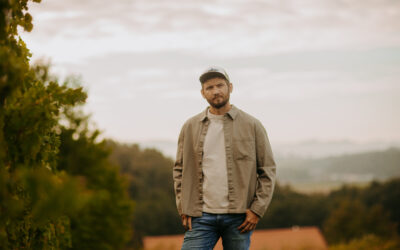
Numa Cornut: The Burgundy Outsider Who Grew Up Inside Wine

“I don’t want to be a Burgundy guy like all of them.”

That is close to the first thing Numa Cornut will tell you, and he comes by it honestly. He raced motocross as a boy, and where the other riders all took the same line through the track, he went off it to find his own. His family has made wine for nine generations at Château Guiot, in the southern Rhône. He could have stayed. Instead, just like in his motocross days, he looked for his own path. He started a domaine in Burgundy, a region where he inherited not a single row of vines. Where his twin brother Alexis decided to stay and work on the family estate, Numa decided he wanted to see more first.
From the southern Rhône to Burgundy

“I was born in a tank, I was born in nature,” he says, and he means it almost literally — Guiot runs to a hundred hectares, the nearest neighbor a kilometer off. His father, a precise and technical winemaker, taught him to watch: a vineyard is always giving you signals, and the work is to keep looking for them. But his father taught him the limit of that, too. There was a song he loved, by the French actor and singer Jean Gabin — “Je sais, on ne sait jamais,” I know, you never know. Numa and his twin brother Alexis later made a cuvée in his honor. “You work with the sun, with the earth, with everything,” Numa says. “We are just an option. We cannot control everything.”

Learning the rest meant leaving. Before Burgundy, he spent years following harvests across France and abroad, and ended up in Margaret River, Australia, where his four-month stay turned into two years. He found himself working at a winery where they put him in charge of the white wines — a turn for someone whose family made almost nothing but red. “It opened my mind,” he says, “because in France, especially in the big regions like Bordeaux or Burgundy, it can be very conservative, very old school.” He still returns to Australia most years. It is where his work with white wine came into focus, and where he learned to hold curiosity and humility at the same time.
A domaine across the Côte de Beaune and Côte de Nuits

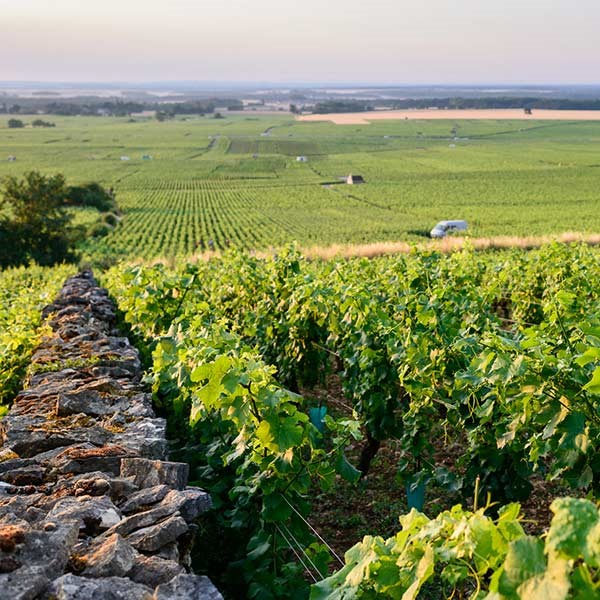
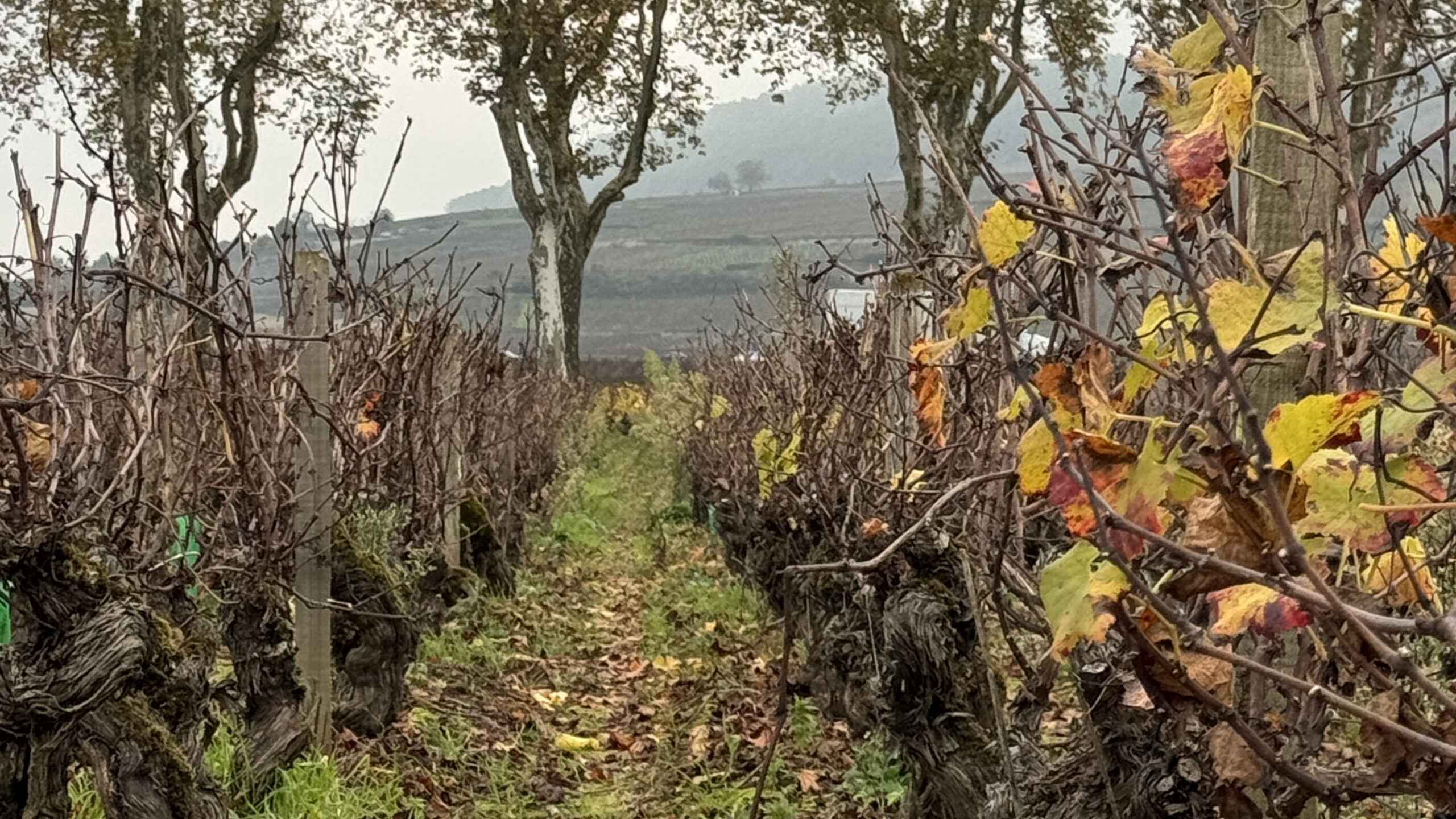
In Burgundy, he finally decided to stop moving. “You can spend an entire lifetime trying to understand just a few hectares,” he says. That depth is what he wanted. He settled at the end of 2020 and began assembling his domaine parcel by parcel, starting in Volnay and spreading across the Côte d’Or — today around 4.5 hectares spanning the Côte de Beaune and the Côte de Nuits, village level up to grand cru.

How Numa Cornut makes wine

Eighty percent is made in the vineyard

His winemaking starts long before the cellar. “I like to say eighty percent of the wine is made in the vineyard,” he says. And in Burgundy, no vineyard is quite like its neighbor. “It’s the only place in the world where you find a mosaic of terroir like this.” An appellation like Meursault is barely 400 hectares, yet a parcel at one end tastes nothing like a parcel five minutes away. A place like that can’t be farmed to a formula.

He watches the fruit and the weather, and lets what he sees decide when to harvest. In Burgundy, he is often among the earliest growers to start picking, because in a warm year, the heat can kill your acidity in as little as two days, and acidity is what he is protecting. In the cellar, he keeps new oak low and his hand light. The wine, he believes, will tell you what it needs if you are paying attention.

Reading the vintage

He talks about vintages like the farmer he is. A warm, generous year like 2023 carries its own demands; a frost-cut year like 2024 carries others. The work is to adapt to what the season gives. “I take what nature wants to give me,” he says. Some parcels resist him no matter the year, often the ones he expected the most from, and he has learned to listen to a site rather than impose a shape on it.

Sustainable farming, honestly stated

On farming, he is direct, which is rarer than it should be. He farms sustainably and works as cleanly as the vineyard allows, and he will not dress it up. “I’m organic in my heart, in my practice every day,” he says. “But I prefer to be humble and right. I don’t want to do greenwashing.” It is an honest position from someone who grew up understanding exactly how much of a vineyard a label can and cannot promise.

The wines in the glass

You can taste all of it in the glass. “I like tension, I like minerality,” he says. “I don’t like too much wood. I like more of the wine itself.” The wines are recognizably Burgundian in structure — the reds elegant and fresh, the whites cut with mineral drive — but the clarity and restraint are his own, sharpened by the years away. He learned the classical way and then went looking for the rest.
Why he chose JP Bourgeois

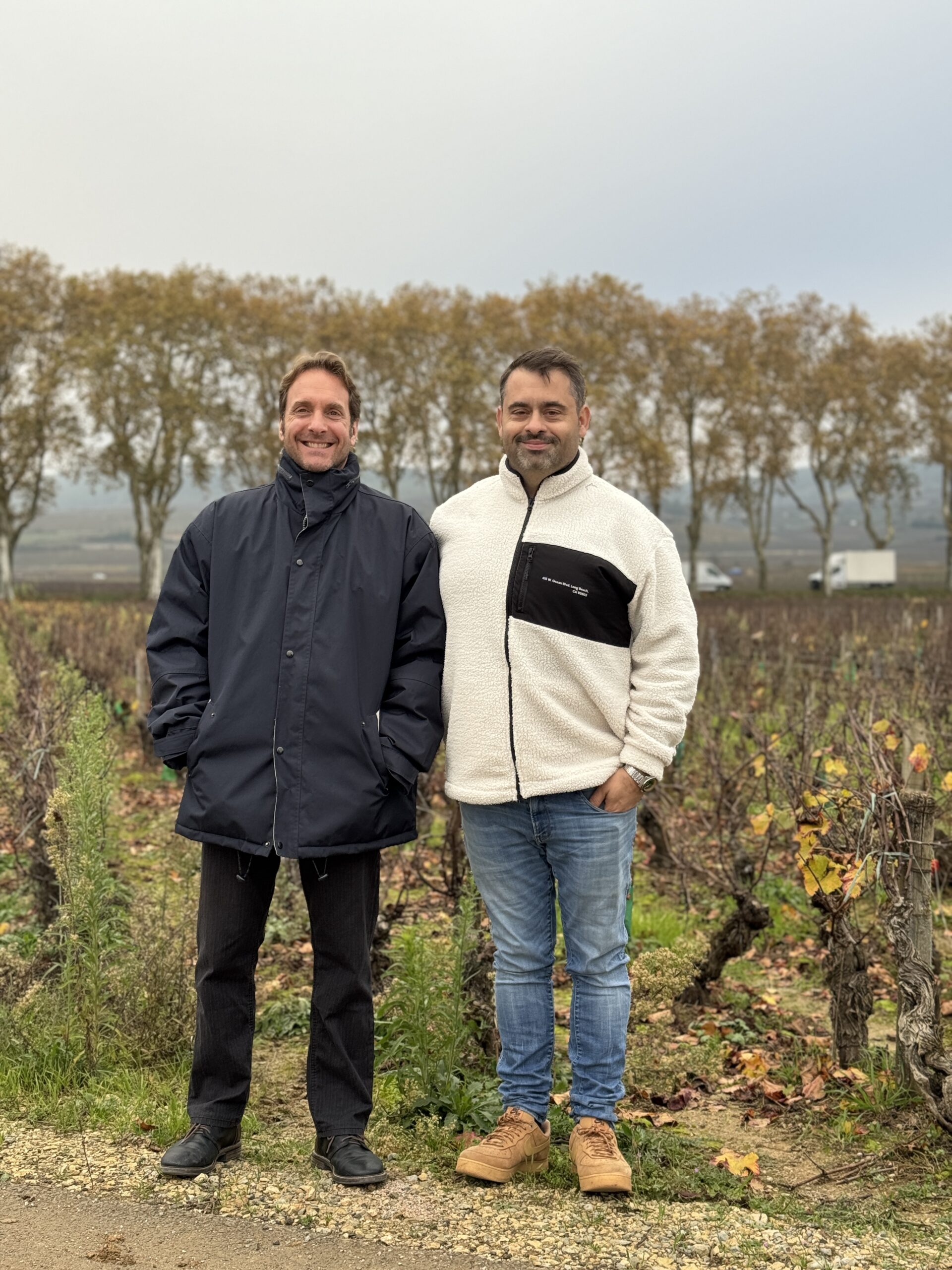
That same instinct shaped his choice of American importer. A friend in Florida who had known his family for decades made the introduction to JP Bourgeois, and what Numa recognized in the portfolio was a group of real growers and genuine stories rather than a catalog. “I don’t want to be a number in a big portfolio,” he says. “I prefer to be a person.” It is the same scale at which he farms.

His ambition is modest in the way the most serious people often are. “Some people drink more label than winemaker,” he says. “For me, success is if they understand what I do.”

The full range — village through grand cru, across both côtes — is in the JP Bourgeois portfolio now. The individual wines, with tasting notes and details, are below.
Wines Featured in This Story

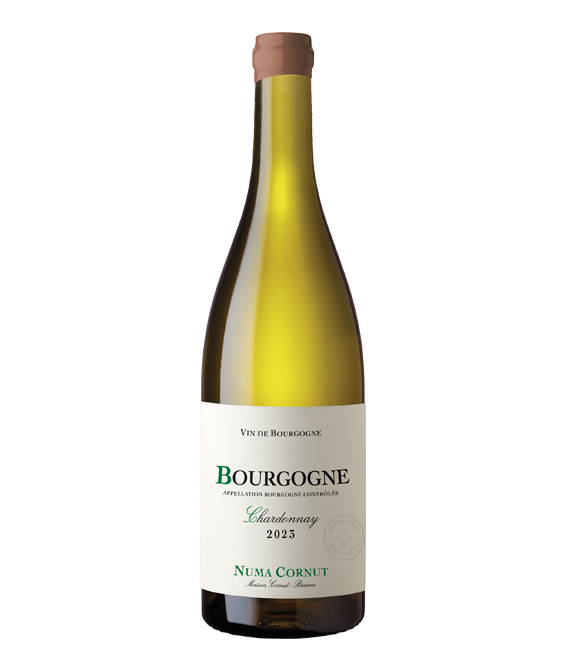
Bourgogne Chardonnay

100% Chardonnay | Côte d’Or de Beaune
Aging: 9 months — 500L oak and stainless steel

Sourced from Bligny-lès-Beaune in the Côte de Beaune, this wine is vinified in a combination of oak and stainless steel — the oak contribution adding structure and roundness, stainless steel preserving freshness and fruit. Golden yellow with green reflections. Fresh grape and green almond on the nose. Elegant texture, balanced freshness, clean persistent finish.

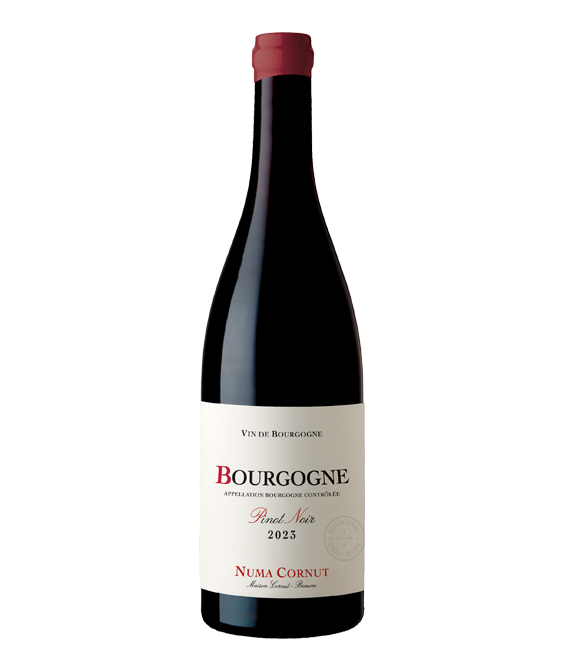
Bourgogne Pinot Noir

100% Pinot Noir | Côte d’Or de Beaune
Aging:
9 months — 500L oak and stainless steel

A fresh, precise entry-level Pinot Noir sourced from Bligny-lès-Beaune. Fermented in stainless steel, aged in a combination of large-format oak and stainless steel — the oak provides structure; the stainless steel holds the red fruit character. Brilliant ruby. Raspberry, redcurrant, and blackcurrant on the nose. Fresh, fruity palate with light tannins and great elegance.

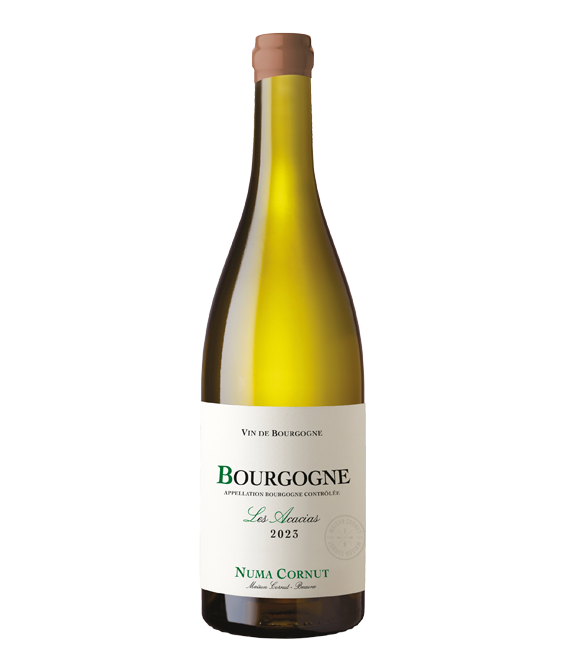
Bourgogne Blanc ‘Les Acacias’

100% Chardonnay | Côte d’Or de Beaune
Aging: 9 months —
500L oak and stainless steel (40% oak / 60% stainless)

An entry-point Chardonnay from a winemaker whose white wine parcels run from Meursault to Montrachet. Fruit from clay-limestone soils in the Côte d’Or de Beaune is fermented in stainless steel and aged in a combination of large-format François Frères oak and stainless steel. The result: pale yellow with green highlights, delicate floral aromas of hawthorn and apple, a full-bodied palate with fresh almond, and fine tension on the finish.

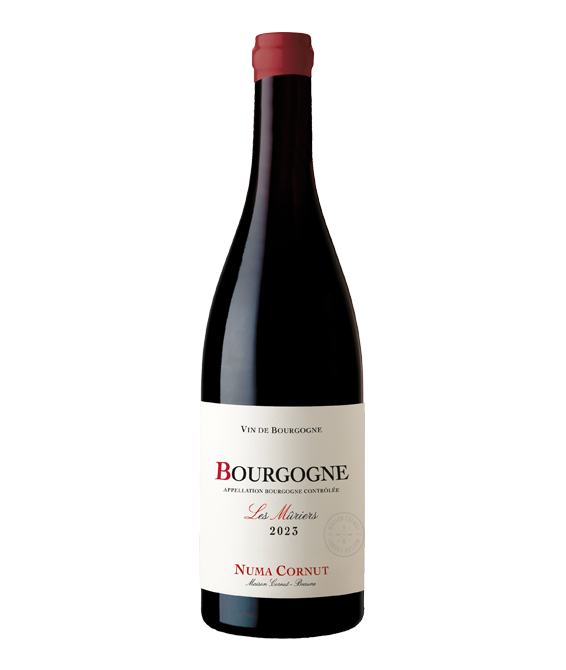
Bourgogne Rouge ‘Les Mûriers’

100% Pinot Noir | Southern Côte de Beaune
Aging:
9 months — 500L oak and stainless steel (40% oak / 60% stainless)

An entry-point Bourgogne from a winemaker with parcels reaching Vosne-Romanée and Montrachet. The same approach applies here as at the top of the range: stainless steel fermentation, careful oak aging, parcel-level attention. Dark ruby. Discreet red fruit and spice on the nose. Round and fresh on the palate, well-balanced, with licorice and blackcurrant.

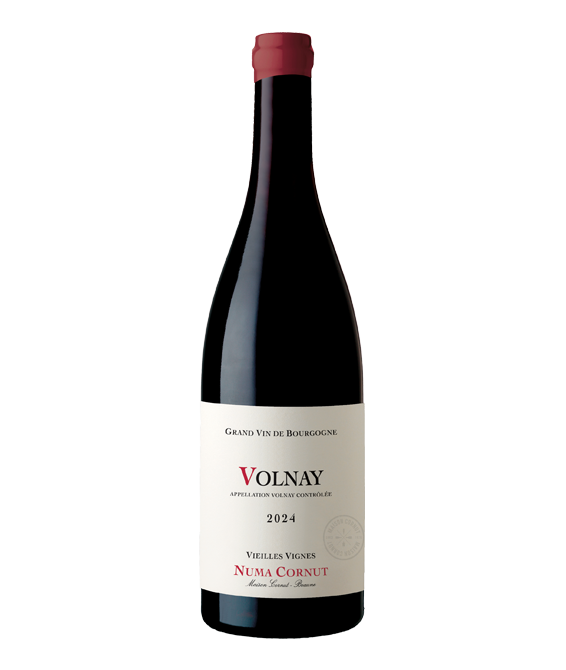
Volnay

100% Pinot Noir | Côte de Beaune
Plot: Les Lurets
Aging:
~10 months — 228L Chassin M+ oak

Volnay sits between Pommard and Meursault on Argovian limestone marl soils. The appellation produces some of Burgundy’s most texturally refined Pinot Noir. Cornut’s parcel is Les Lurets. Hand-harvested in small crates, sorted and destemmed, macerated 3–4 weeks in stainless steel with twice-daily pigeage, and aged approximately 10 months in barrel.

Bright and luminous color. Aromas of violet and blackcurrant on the young nose, evolving toward ripe fruit, mushrooms, and sweet spices with maturity. Roundness and velvet on the palate, with fine tannins, fresh acidity, and aromatic persistence.

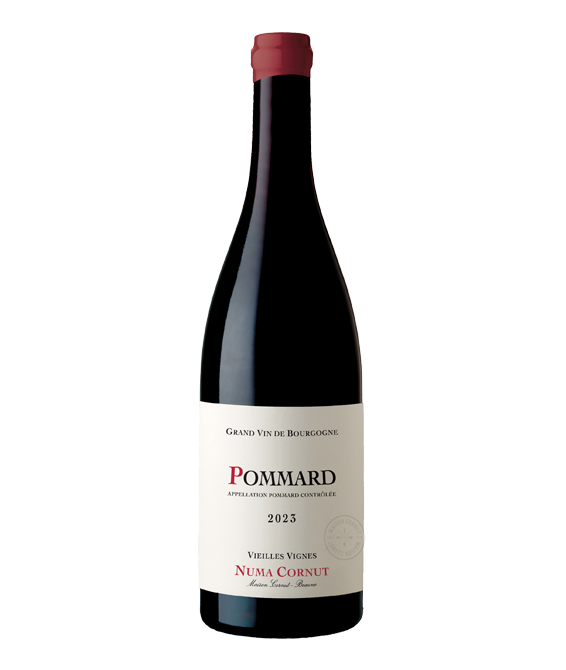
Pommard

100% Pinot Noir | Côte de Beaune
Plot:
Les Cras
Aging:
~10 months — 228L Chassin M+ oak

Pommard lies between Beaune and Volnay on east and southeast-facing clay-limestone slopes. Cornut’s parcel is Les Cras. Hand-harvested, sorted and destemmed, macerated 3–4 weeks in open wooden or stainless steel vats with twice-daily pigeage, aged approximately 10 months in barrel.

Intense and luminous red. Powerful nose of black cherry and spice, evolving toward notes of new leather. Structured tannins balanced by harmonious texture and long aromatic persistence.

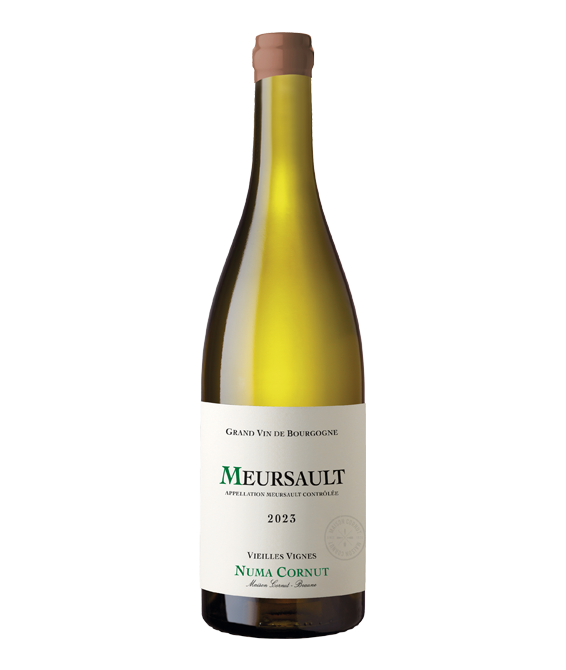
Meursault

100% Chardonnay | Côte de Beaune
Plot:
Les Narvaux
Aging:
10 months — 228L Chassin + François Frères M+ oak

Les Narvaux is a plot on the gentle east-facing slopes of the southern Côte de Beaune, between 230 and 360 meters altitude, where soils shift from deep and colored near the village to lighter and stonier higher on the slope. Throughout vinification, Cornut makes decisions primarily by tasting, piece by piece — terroir expression and grape integrity above all else.

Golden color. Honey, lime blossom, and hazelnut butter on the nose, with occasional camomile or hawthorn. Silky roundness on the palate. Long, persistent finish evoking yellow plum and gingerbread.

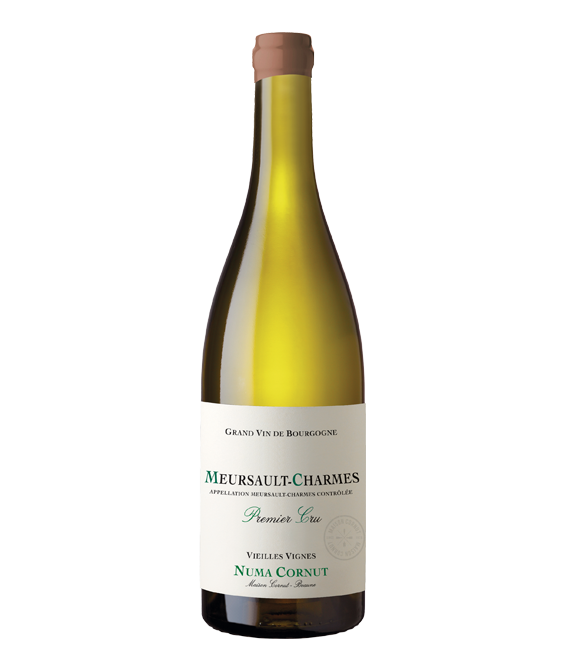
Meursault-Charmes Premier Cru

100% Chardonnay | Côte de Beaune
Plot:
Les Charmes
Aging:
~12 months — 114L + 228L Chassin M+ oak

Les Charmes is among the finest Premier Cru climates in Meursault — southeast-facing clay-limestone soils rich in minerals, just south of the village. Hand-harvested in 12kg crates with strict sorting in the plot and on the sorting table. Whole-bunch pressed, cold settled, vinified with cold precision.

Golden in color. Aromas of ripe apple, hazelnut, and cream. Rich yet lively texture on the palate. Long, harmonious finish.

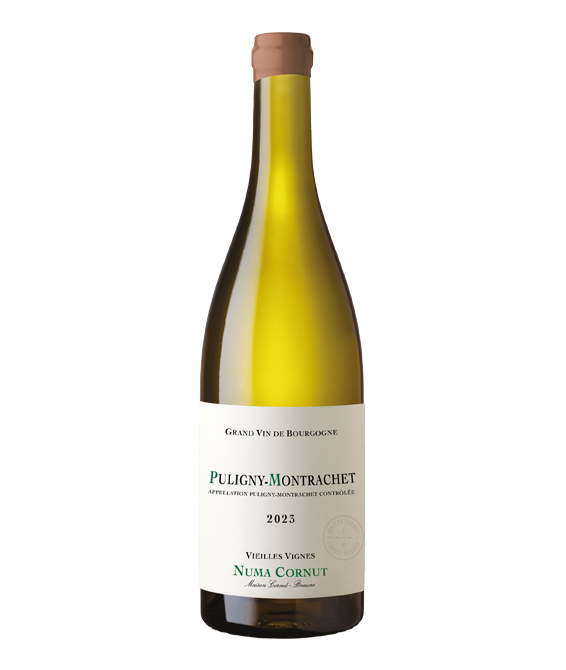
Puligny-Montrachet

100% Chardonnay | Côte de Beaune
Plot:
Les Tremblots
Aging:
12 months on fine lees — 228L Chassin and Seguin Moreau M+ oak

Les Tremblots sits on well-drained, thin clay-limestone soils at 230–300 meters, where limited vine vigor concentrates mineral expression. Fermented in new and used French oak to preserve freshness and terroir definition. Aged 12 months on fine lees with discreet bâtonnage for texture and complexity.

Citrus zest, white flowers, and subtle mineral nuances on the nose. Precise and linear palate combining crystalline freshness with silky mouthfeel. Long, saline, elegant finish.

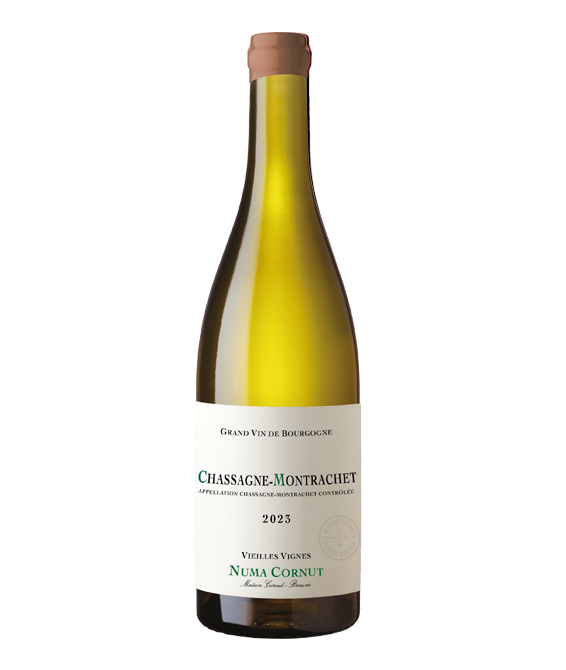
Chassagne-Montrachet

100% Chardonnay | Côte de Beaune
Plot:
Les Benoites
Aging:
12 months on fine lees — 228L Chassin and Seguin Moreau M+ oak

Les Benoites is in the heart of the Côte de Beaune at 220–350 meters, on complex clay-limestone soils with a predominantly marly character. Fermented in oak with a measured proportion of new wood. Aged 12 months on fine lees with controlled bâtonnage.

Elegant and refined. Ripe white fruit, delicate citrus and floral notes, subtly supported by fine oak. Broad and harmonious palate with silky texture and persistent mineral freshness. Long, graceful finish.

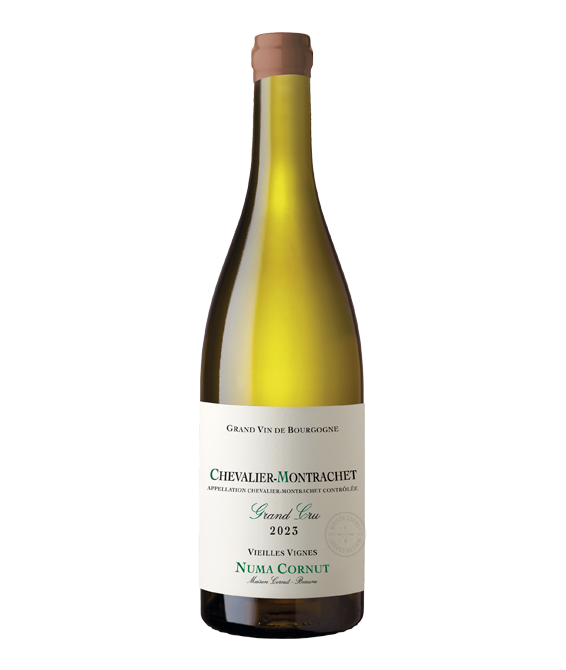
Chevalier-Montrachet Grand Cru

100% Chardonnay
Côte de Beaune, Puligny-Montrachet
Aging:
12–18 months on fine lees — 114L Seguin Moreau and POZVEK M+ oak

From one of Burgundy’s most elevated Grand Cru sites, on steep upper slopes of Puligny-Montrachet at 250–300 meters. Very stony, limestone-dominant soils, poor and well-drained. At this elevation, Chardonnay ripens slowly, producing wines of finesse, tension, and minerality. Cornut ferments and ages this wine entirely in new French oak, using notably smaller 114L barrels, with regular bâtonnage for depth and complexity.

Precise nose of white flowers, citrus, and mineral notes. Linear and well-structured on the palate, supported by fine acidity and a pronounced limestone backbone. Balance between tension and volume extends into a long, persistent finish.

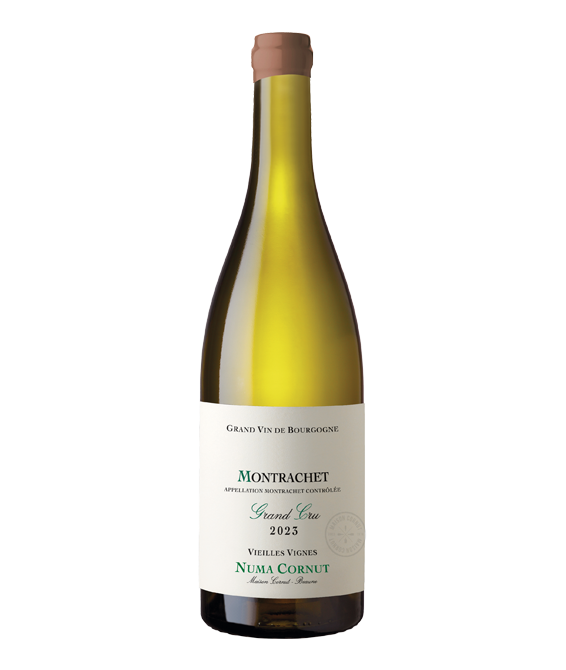
Montrachet Grand Cru

100% Chardonnay | Côte de Beaune
Cornut’s plot:
Chassagne-Montrachet side
Aging:
12–18 months on fine lees — 114L + 225L Chassin M+ oak

Le Montrachet straddles Puligny-Montrachet and Chassagne-Montrachet at 250–270 meters on shallow, stony clay-limestone soils with excellent drainage. Cornut’s parcel lies on the Chassagne side. Whole-bunch pressed, with both alcoholic and malolactic fermentations completed entirely in new French oak. Aged 12–18 months on fine lees with controlled bâtonnage.

White flowers, ripe citrus, and dried fruit on the nose, underpinned by intense minerality. Broad and powerful on the palate with silky texture and remarkable tension. Long finish with outstanding aging potential.

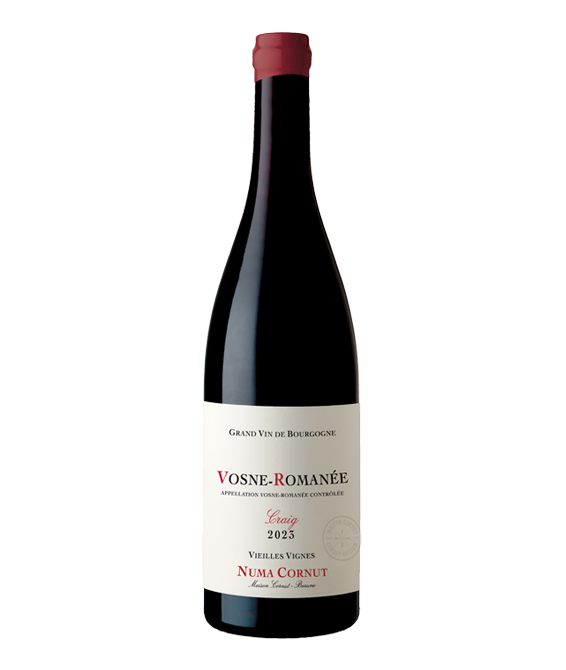
Vosne-Romanée

100% Pinot Noir | Côte de Nuits
Plot:
Les Jacquines
Aging: 12 months on fine lees — 228L Chassin M+ French oak, 50% new

Les Jacquines is a plot in Vosne-Romanée, a village in the heart of the Côte de Nuits on limestone marl soils — home to some of Burgundy’s greatest Grands Crus. Cornut’s fermentation approach here is distinctive: harvest divided between half whole-cluster and half destemmed, cold maceration for one week, then 3–4 weeks of vatting with micro-pigeage. Racked and bottled by gravity. Aged 12 months on fine lees.

Structured and layered, with dark cherry, spice, and refined tannins supported by persistent freshness.

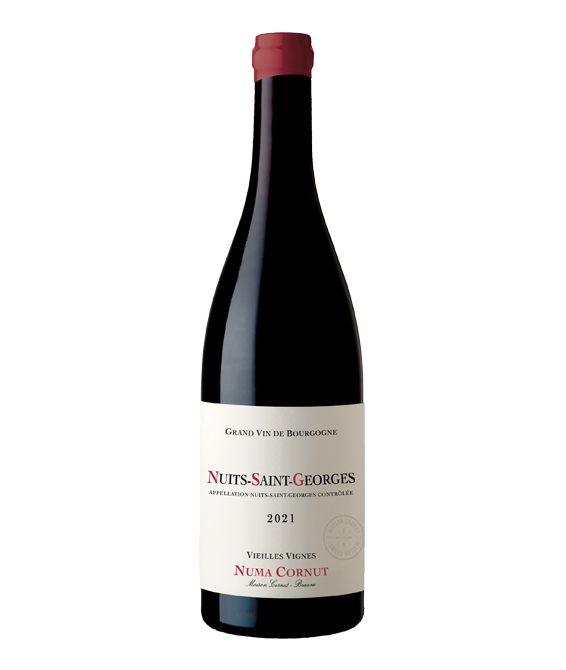
Nuits-Saint-Georges Vieilles Vignes

100% Pinot Noir | Côte de Nuits
Plot:
Les Chaliots
Aging: 24 months — 228L Chassin and François Frères M+ oak, 12 months new

From old vines in the southernmost village of the Côte de Nuits. Les Chaliots sits on limestone and marl soils with ideal eastern exposure. Hand-harvested in small crates, sorted and destemmed, macerated 3–4 weeks in stainless steel with twice-daily pigeage. Long 24-month élevage in oak — 12 months in once-used barrels, 12 months in new.

Deep ruby. Aromas of clove, nutmeg, black cherry, and subtle toast. Full-bodied on the palate with cherry and licorice, silky tannins, and a fresh finish.

More Stories You Might Enjoy

Weeknight Dinners: There Is a Wine for That

Weeknight Dinners: There Is a Wine for That

It’s official. Life has begun life-ing again. All the big holidays have come and gone. The Super Bowl Party wreckage is all cleaned up. Those January resets are all but forgotten. School is back in session. Work is back to a normal routine, our social lives are back...

read more