Producer Spotlight: Champagne Philippe Fontaine
If you ever find yourself in Balnot-sur-Laignes, you’ll know exactly why the wines of Champagne Philippe Fontaine feel the way they do. The village has a quiet energy. It is the kind of place where people wave from tractors, the air smells faintly of chalk and apples, and time moves at its own pace. The Fontaine family fits right into that rhythm. They don’t need to tell you their story; you feel it the moment you meet them, walk the vineyards, or watch them work.

They’re warm, gracious, and deeply connected to these hills. Spend an hour there and the wines start to make perfect sense.

A Family Estate with a New Voice in the Cellar

The Fontaines have been farming here for generations. Long before their own bottles existed, their fruit was highly coveted by bigger houses. When Philippe started bottling under the family name, he set the direction for Philippe Fontaine Champagne. Now, his daughter Salomé continues to drive the family’s champagne house forward.

Salomé leads the winemaking with a calm, understated confidence. Her style is pure, fresh, and quietly expressive; qualities that shine through in the wines. She is a thoughtful winemaker, choosing her methods deliberately and making informed decisions, often listening before she speaks.

Vineyards Shaped by the Côte des Bar

The Côte des Bar has its own personality within Champagne. The soils are full of ancient fossils, the hills are patchworked with forest and vines, and Pinot Noir thrives here in a way that’s unmistakable. The fruit has both depth and brightness, and you see this clearly in the Fontaine wines.

What stands out most, though, is how the family talks about their land. This isn’t vineyard management in the abstract. They can point to every row and tell you who planted it, what the soil looked like that year, or how the vines behaved in a cool spring. They farm with the future in mind: encouraging biodiversity, paying attention to soil life, and letting each parcel set its own pace. The decisions in the vineyard echo the family’s personality: patient, intuitive, generous.

The Wines

Each cuvée reflects a slightly different side of the estate. Some are delicate, some are powerful, all unmistakably connected to the people who made them. As we head into the holidays, here are a few bottles we’re especially excited about.

Full 750ml bottles of the Brut Tradition return in mid-December along with large formats.

For anyone looking for Champagne with depth, personality, and deep roots in Champagne, you can’t go wrong with Philippe Fontaine.
Wines Featured in This Story

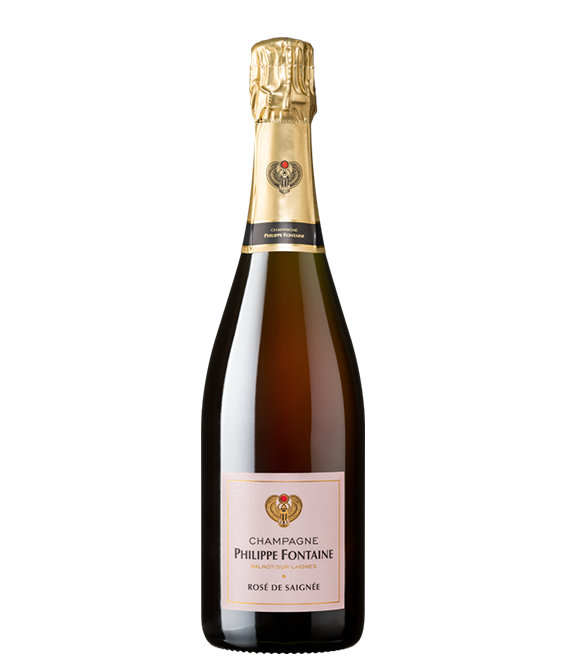
Philippe Fontaine Champagne Brut Rosé:  Rosé de Saignée

A deep, elegant rosé meant for seriously great meals

Far from the light and fruity rosés that seem to flood the market these days, this wine, created from grapes grown in Aube’s clay soils, has more in common with the famed Rosé des Ricey, which makes tons of sense since Ricey is right next door. Expect complexity and depth. There is real power here, with dark fruit notes rather than strawberry and a touch of earth with savory undertones.


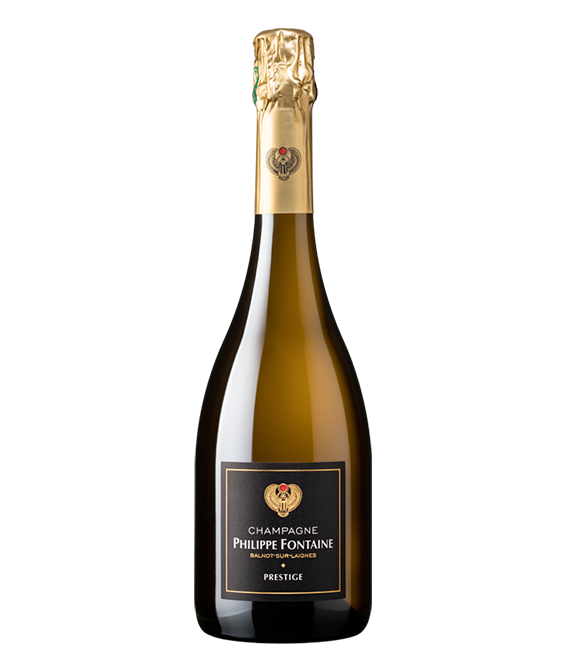
Philippe Fontaine Champagne: Brut Prestige

Extended aging with richness that begs to be decanted and enjoyed over a fantastic meal with friends

Most of us think of Champagne as an aperitif. An opener, a lively way to kick off the night, but the Philippe Fontaine Brut Prestige begs to differ. Rich and yeasty, this blend of Pinot Blanc, Pinot Noir, Pinot Meunier, and Chardonnay is one you open, decant, and enjoy throughout decadent meals with your favorite people. Creamy and herbaceous, with a chalky minerality and lightly floral with notes of orange blossom. Lobster is an obvious and ideal pairing, but don’t hesitate to enjoy this with steak too! (Did someone say surf and turf?)

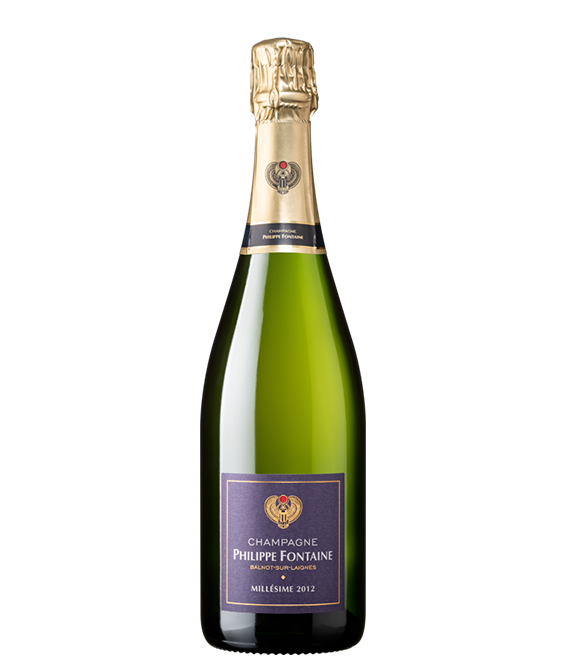
Philippe Fontaine Champagne:  Brut Millésime

A standout expression of Pinot Noir in a vintage that truly shows its character.

There is no better example of why Pinot Noir from the Côte des Bar deserves far more attention than the Philippe Fontaine Brut Millésime. Generous without being heavy: ripe orchard fruit, lychee, and peach skins that lead into deeper notes as it opens. The palate is lively and energetic with a soft, almost pâtisserie-like texture. Think almond paste, warm brioche, and a subtle echo of blueberry.

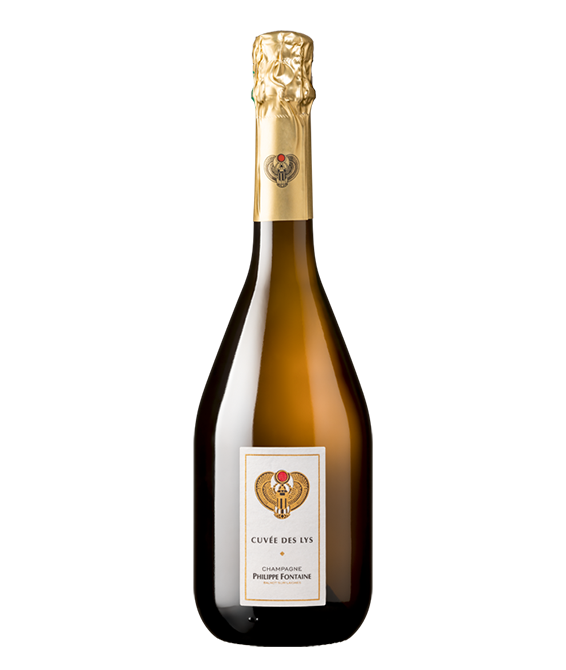
Philippe Fontaine Champagne: Brut Blanc de Blancs Cuvée des Lys

A rare vintage Pinot Blanc Champagne, distinctive and unforgettable.

Vintage Pinot Blanc Champagne is practically mythical, and this tiny-production release lives up to the hype. It has the freshness and purity you expect from the style, but the extra aging brings an added layer complexity. Aromas of pea and white flowers mingle with cinnamon and green almond. The wine is bright and generous, carrying all those aromatics on a fine, persistent stream of bubbles. As it finishes, the wine is deeper and more textured with notes of ripe apricot and ginger.

While perfect with seafood, cheese, and fruity desserts, it needs no help from food and is worth savoring on its own, paired with nothing more than equally sparkling conversation.

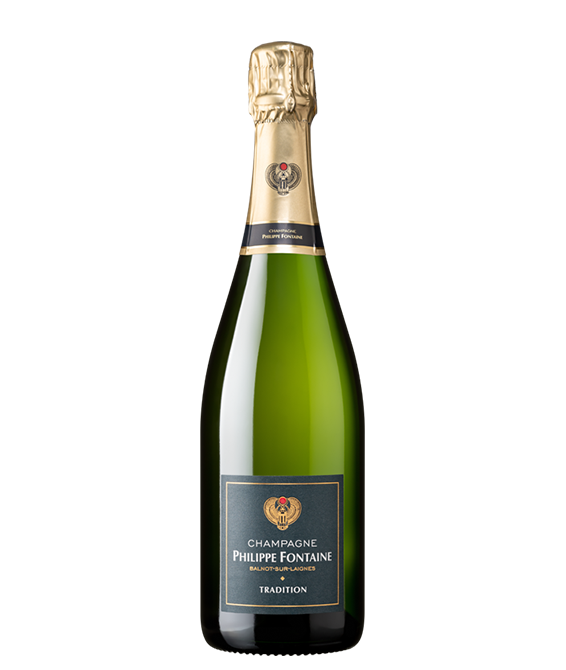
Philippe Fontaine Champagne: Brut Tradition

This is Philippe Fontaine’s calling card. A 70/30 blend of Pinot Noir and Pinot Meunier and given longer time en tirage than most Champagnes at this price ever see, there is a creamy richness to it that sets it apart from other champagnes in this category. Citrus and orchard fruit with a silky texture that keeps it grounded. Followers by a finish that is bright and cleansing. The kind that pulls you right back in for another sip. It’s a terrific value and a flexible pairing partner for apéritifs, soft cheeses, and all sorts of lighter bites.

Also available in half bottles for an effortless BTG pour or two-top service.
Full 750ml bottles return in mid-December along with large formats.

The origin of the Egyptian beetle on Salome Fontaine’s bottles comes from when her father started his estate and began bottling his own wines. Indeed, Salome’s father first farmed vines and wheat and sold his produce to the local co-ops. When the time came to finally create his label, Philippe asked his mother for insight. She and her sister, who are very fond of Pharaonic Egyptian culture, suggested the scarab beetle, a symbol of good luck that represents rebirth, renewal, continuous change, and evolution, just as Philippe experienced by making his own way and his own wines. Today, that beetle remains on all of Salome’s cuvees as a constant reminder of her father’s journey, his perseverance, ingenuity, and love for the terroir.

More Stories You Might Enjoy