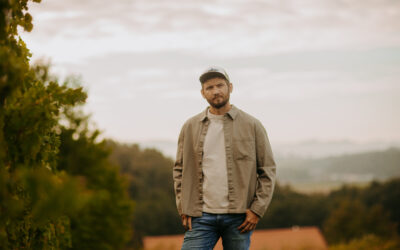
Meet Vianney and Emilie Castan
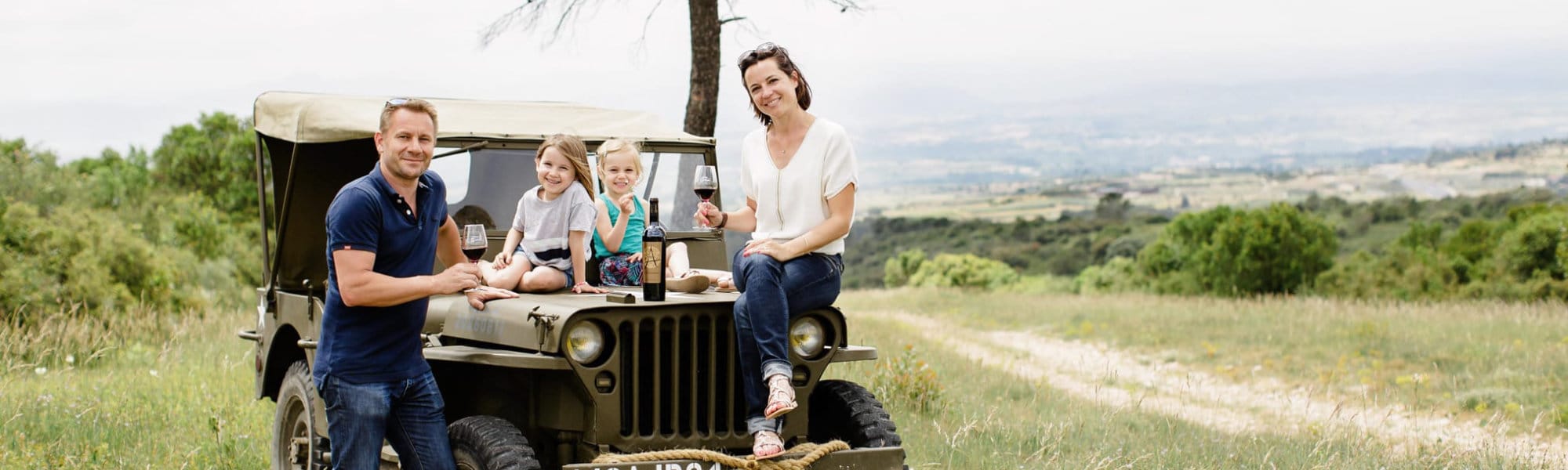
Vianney and his wife, Emilie, come from a tradition of winemaking, but they did not inherit Château Saint-Jean d’Aumières. The Castan family lost its vines in the 1970’s, but Vianney and Emilie chose to return to the land anyway. They worked toward this goal for 12 years, and in 2012, they bought Château Saint-Jean d’Aumières because they believed in its potential.
“We dreamed of owning a wine domaine. So we worked hard for 12 years. And then, in 2012, this opportunity came up, and we knew that this was where we would write our story, as a family.”
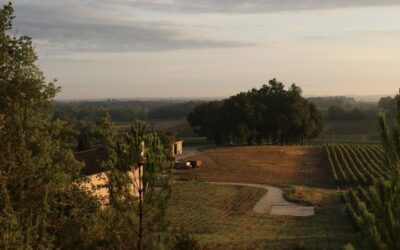
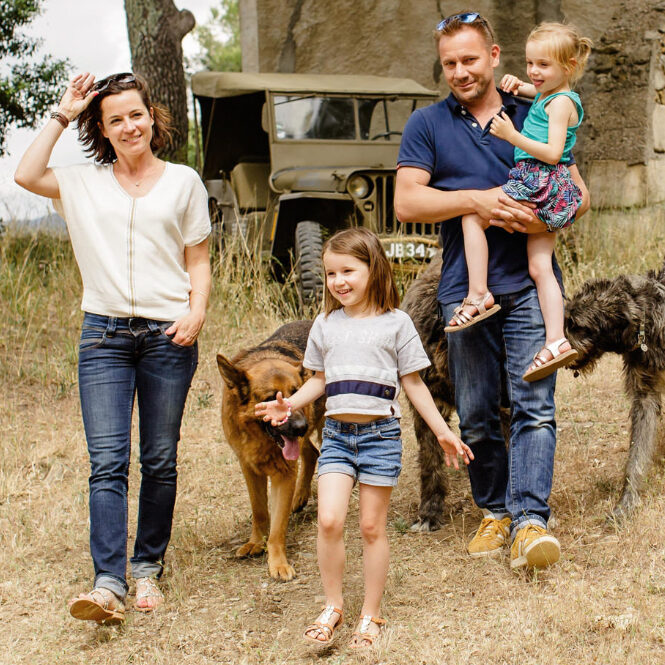
They are raising their daughters among 30 hectares of vines in Gignac, in the Terrasses du Larzac. Here, their children play and dream; family friends continue to gather for harvest meals. Emilie calls the estate their cocoon. So when Vianney Castan talks about wine, he begins with the land.
“I define myself first as someone who works with the earth and with living things, observing a great deal and adapting to the seasons.”
As far as we are concerned, that philosophy tells you almost everything you need to know about the estate and its approach.
A Personal Project with a Southern Accent
Bellula is a joint venture between Vianney Castan and JP Bourgeois. The fruit for all the Bellula wines comes from the heart of the Languedoc, around Béziers, within the IGP Oc. These are younger vines, and in this area, the soils are diverse, and the landscape is open and flooded with light. For Vianney,
“Bellula is a personal project that allows me to stay close to the land and to make simple, sincere, accessible wines.”
With Bellula, he invites everyone to the table. These are wines meant to be opened on a Tuesday without ceremony and shared generously with family and friends. When asked what part of himself shows up most in Bellula, his answer is direct.
“My attachment to common sense, simplicity, and wines made to be drunk and shared.”
Trusted Expertise
When sourcing grapes from other growers, who you work with matters as much as or more than the parcels you choose. Sourcing is a responsibility the team takes very seriously, and so the grapes for Bellula come from growers they trust implicitly. They will only work with growers who work carefully and respect their vines. Vianney describes responsible agriculture in practical terms. He needs them “To observe, to adapt, and to make common-sense decisions without ideology.” For this team, farming is not theoretical. It relies on measured observation of changing conditions and making choices based on what is happening in the vineyard. By carefully choosing his growers, Vianney knows that the decisions made in the vineyard are guided by experience and real-world conditions.
Stewards of the Land
Vineyard work is about stewardship. Vianney says,
“We are peasants passing through; the people pass, and the land remains.”
Bellula reflects that same grounded mindset. The Béziers area, where the grapes for Bellula are sourced, was chosen by Vianney and his team for its soil diversity, creative freedom, and what Vianney calls “the very Languedoc energy of the area.” These terroirs produce wines that feel sunny. They are straightforward, balanced, and very faithful to the wine traditions of Southern France.
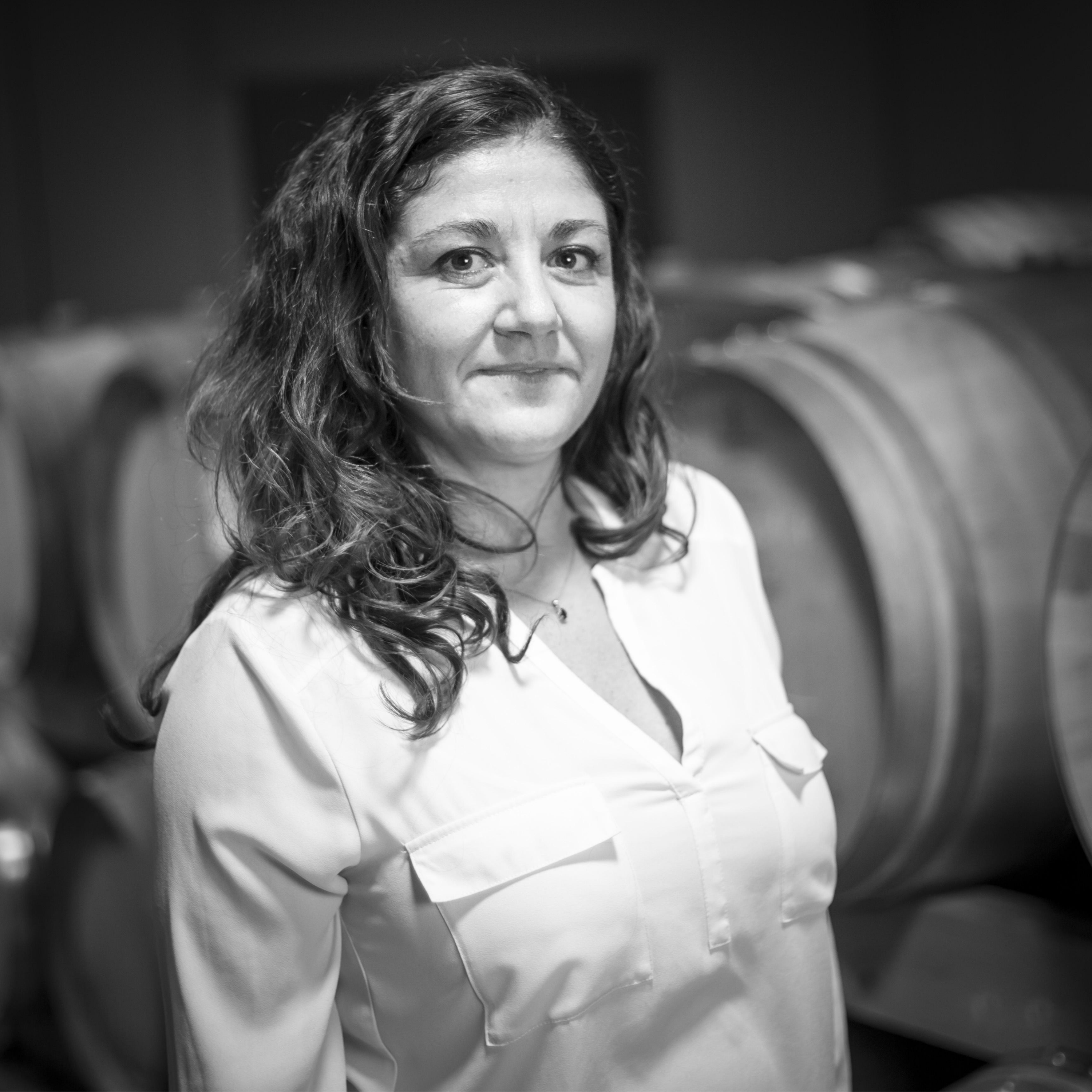
Meet Winemaker Florencia Stoppini
Florencia Stoppini’s path to the Languedoc began in Argentina, where she grew up surrounded by vineyards and learned the rhythms of harvest from her grandfather and father. By the late 1990s, she was already making wine, crafting her first vintage in Mendoza in 1997. Her early experience in Mendoza taught her precision. Fruit grown at high altitude requires winemakers to pay attention to ripeness, acid balance, and timing. Those early lessons carry through her work today. In search of diverse, high-quality wines, Florencia expanded her skills by working at wineries in some of the most iconic wine regions in the world, including Napa Valley, California; Navarra, Spain; the Barossa Valley, Australia; and Alsace and Bordeaux, France. All these regions had new lessons to teach her. The diverse climates and different cellar traditions sharpened her technical range. Lessons in fermentation management, handling delicate aromatics, managing extraction, and protecting freshness all make her the winemaker she is today. Of all the places she has lived and worked, Languedoc is the one that captured her heart. For the past decade, she has chosen to build her career there. The Mediterranean light, dry winds, cooling nighttime temperatures, and proximity to the sea create fruit that ripens fully while retaining natural lift. You see all this come together in the wines she makes for the Bellula project. 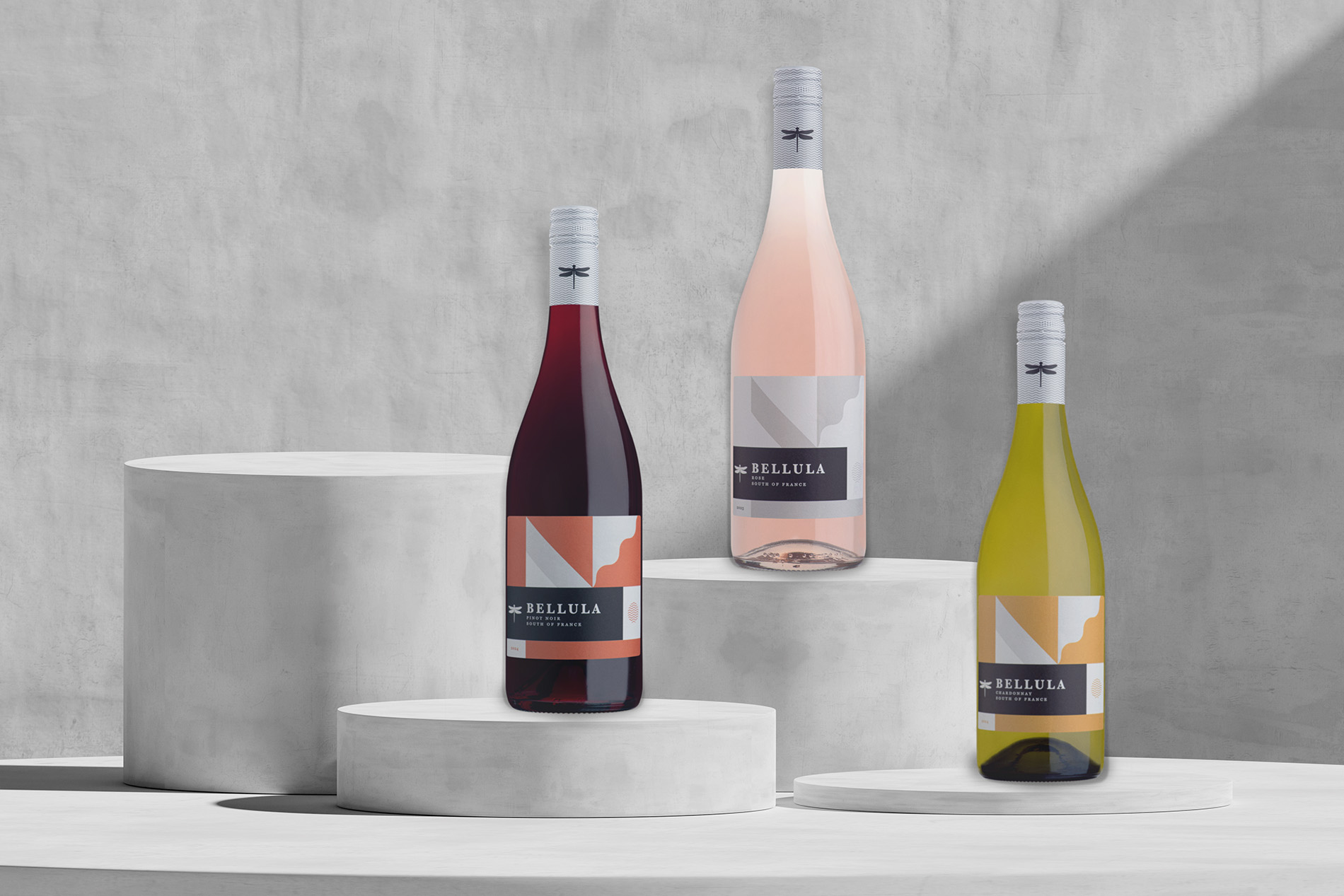
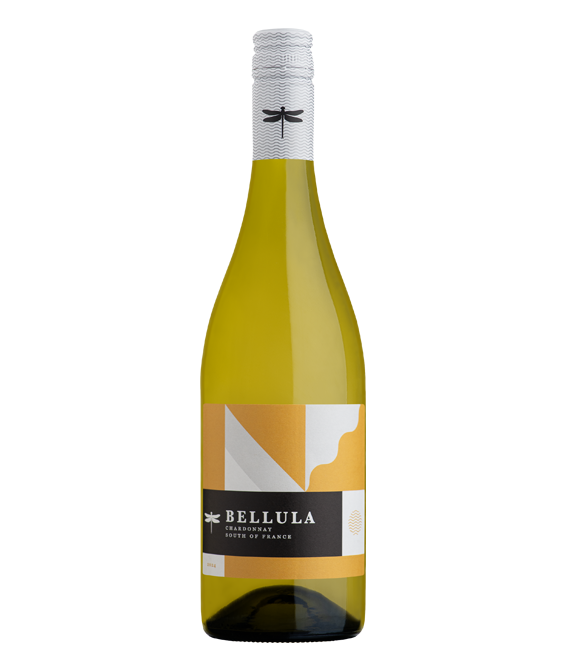
- The 2024 Chardonnay is fermented in stainless steel at controlled temperatures to preserve aromatics, with partial malolactic fermentation for texture and balance.
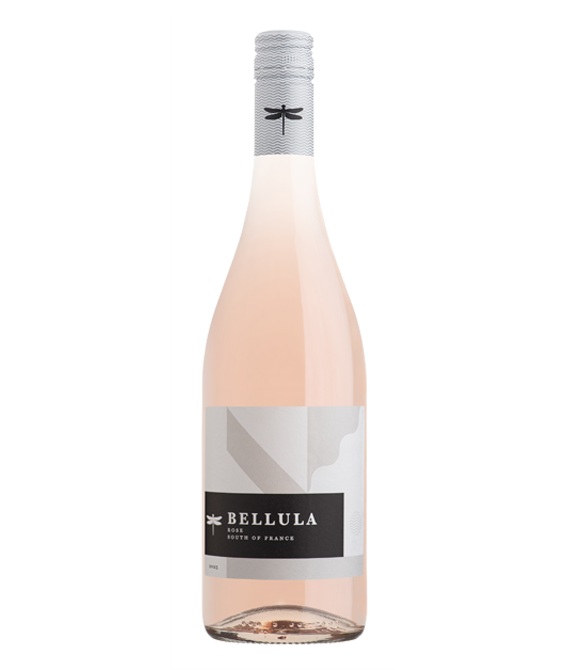
- The Rosé is harvested at night, directly pressed, and fermented in stainless steel with malolactic blocked to retain tension and clarity.
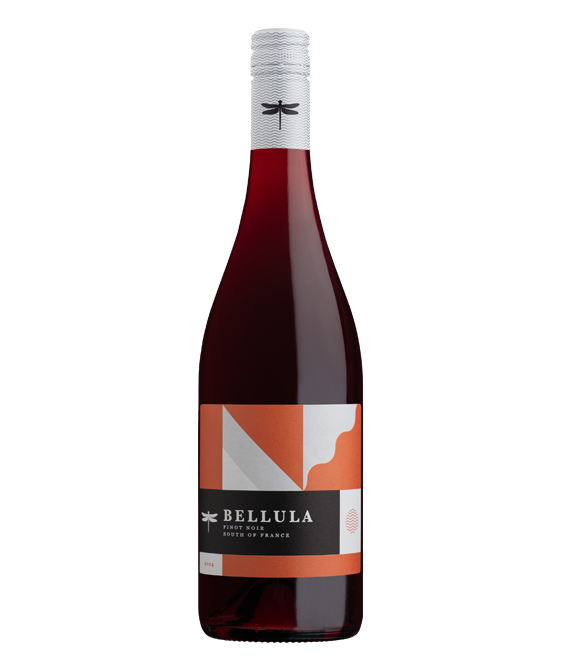
- The Pinot Noir undergoes cold maceration and gentle pumpovers before resting in stainless steel to maintain fruit purity.
These bright, energetic wines are a direct result of Florencia’s desire to prioritize structure, freshness, and drinkability.
In the Cellar
In the cellar, Stoppini’s approach is steady; she respects the grape and works to make wines that are clean and easy to understand.” The goal is to make wines that taste great without distraction.” She wants you to notice the fruit, the structure, the energy. When asked what she hopes people notice first, she does not hesitate. “Energy, freshness, and gourmandise.” Gourmandise, meaning pleasure, appetite, a feeling that another glass is always an excellent idea. Stoppini wants “A wine that feels right, but above all pleasant and natural at the table.”
The Spirit of the Languedoc
Vianney and his team consider themselves “people of the land,” which means accepting constraints and working with humility. Vianney sees the Languedoc as generous and vibrant, without pretension, and Bellula reflects that. The wines are convivial and easy. When someone opens a bottle, he hopes they feel “a sensation of sun, warmth, and sincerity.” Wines that speak clearly of their region and bring people to the table. They express what the Languedoc has to share: passion, know-how, and joie de vivre. Bellula is steeped in the sunlight of southern France. You sense the dedication behind it. You sense the fields. You sense a winemaker who pays attention. JP Bourgeois is proud to work with Vianney, Florencia, and team on this collection of wines.