A Noble History
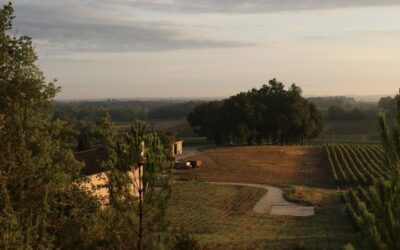
In the hills of Provence Verte, near Brignoles, sits Château des Annibals, which has been on local maps since 1785. It sits beside an ancient Roman road, surrounded by old wells and stone walls, and features a vaulted cellar dating to the 12th century. This is where Nathalie De Wulf Coquelle has spent the past 25 years farming organically, building a team, and making rosé — and a quietly exceptional white — on land cultivated since before the French Revolution.
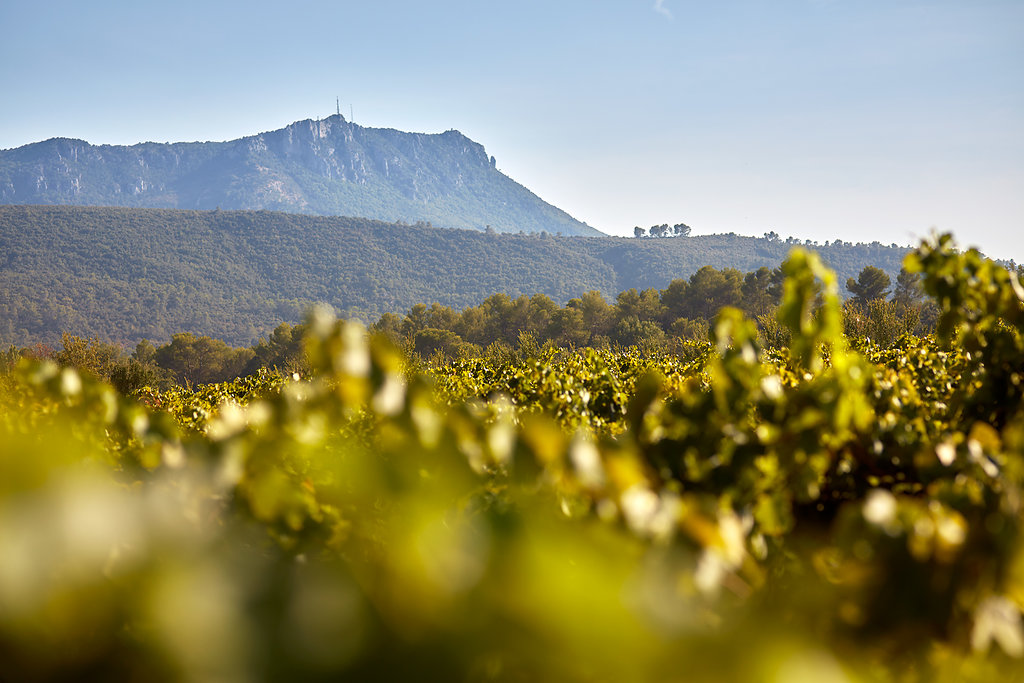
Nathalie studied Comparative Literature and Political Science, then worked in financial analysis in Paris, and yet childhood memories of the South of France drew her to Provence. That desire for a new life project and the particular character of Annibals itself: its small, winding plots, its streams that bring freshness through hot summers, and the fact that its previous owner had refused synthetic chemicals from the start. It all added up to something Nathalie could not resist.
“We were attracted by its ‘old age’ and authenticity… Our terroir resembles that of ancient Provence, as the fields of Annibals are still small plots of land with winding paths for tractors. There is no sign of optimization and a lot of charm. We have many streams that bring freshness to the heart of our hot summers. There is a wonderful biodiversity,” says Nathalie.
Another not insignificant attraction of the Annibals’ estate was that the prior owner never adopted synthetic chemicals and instead stuck with the old ways of tending his vineyard.
“I liked the history of the Estate as this man was the representative of previous generations of valiant winemakers who considered themselves to be as brave and innovative as Hannibal the Conqueror (who was said to have passed by on his way to conquer Rome).” As centuries passed, those generations adopted ‘Annibal’ as a surname. Today, the elephant on the label reflects the area’s noble past.
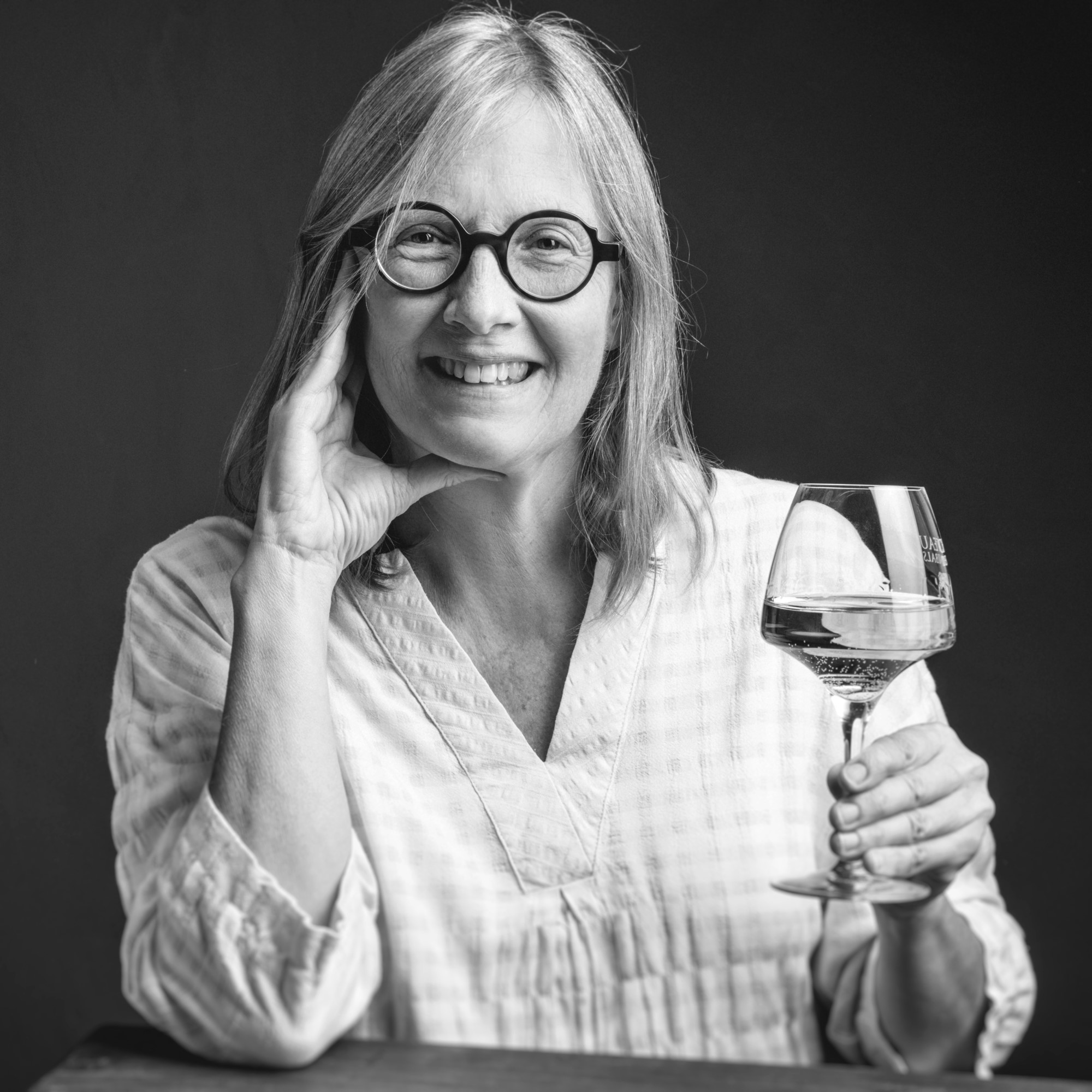
Chateau des Annibals Owner and Winemaker Nathalie De Wulf Coquelle.
Nathalie dove into the project feet first. She went back to school to learn winemaking theory while simultaneously learning to run an estate. The learning curve was steep, but she leaned into it fully, building technical knowledge and intuition over the years. “You can feel if a process is right for the vines or the wines,” she says. While Nathalie does not consider herself a particularly gifted athlete, she adapted quickly to the rigors of winemaking. She wisely invested in equipment that would make the work easier on the body while respecting the natural processes that make wine so special. She built an incredible team, as is evident by the numerous awards they have managed to rack up. 25 years later, she’s still standing — and she’s built something worth standing for.
Farming and Winemaking
The estate farms roughly 40 hectares across small parcels — 13 grape varieties spread across approximately 70 plots. Certified organic since before organic was fashionable, the team works without synthetic chemicals. But for Nathalie, meeting the basics for organic certification is not enough. To optimize production and quality, the Annibals team opts for a slower, more technical pruning method that respects sap flows. They use plant extracts to protect foliage and grapes and, for some tasks, follow the moon’s cycles. And all the attention to detail extends beyond the vines, which constantly strive to maintain biodiversity with hedges and trees, as well as by planting legumes between the rows. This ground cover naturally enriches the soil and feeds the vines. Critically, it also reduces heat reflection, which is especially helpful during heat waves that often occur during the peak growing season.
For over 20 years, the team at Annibals has not only farmed organically but also used renewable energy. Unique in Provence, Nathalie made this choice even though it costs her more to work this way because it is at the core of the work to lessen the impact, not just locally but globally.
Environmental impact is hard to ignore when the biggest challenge to every vintage is the climate. Over the last 10 years, Nathalie and her team have only had two full harvests. With varying degrees of loss, 2023 was the hardest, with 75% of the harvest lost.
The strategic investment in equipment also plays a significant part in ensuring that every vintage meets Annibal’s high standards. Unlike many vineyards in the area, they own their harvesting machine, freeing them to harvest each plot exactly on the day that the grapes are mature. Instead of outside logistics managing the harvest, they can be judicious about when and how they harvest grapes. There is no outside influence to harvest too fast, and under conditions that may be too hot for the fruit.
To protect the juices and wines from the moment the grapes enter the winery, they shield them from the open air with natural inert gases. This level of control allows them to use minimal sulfites, resulting in highly stable wines.
Battered by too much water, or not enough, too much heat, hail, and frost, Annibals has managed to maintain quality and quantity, which is a testament to their growing practices and the general excellence of the Annibals team.
The Team
The team at Annibals is 9 people, 4 of them women. Nathalie describes the dynamic simply: high expectations, genuine support. “We make a solid team because while each of us is highly demanding in terms of expectations of quality and efficiency, we understand when there might be a problem. We know we have to achieve our results, we always try to do better, but we are just as highly supportive of each other. I find this very important and satisfying.”
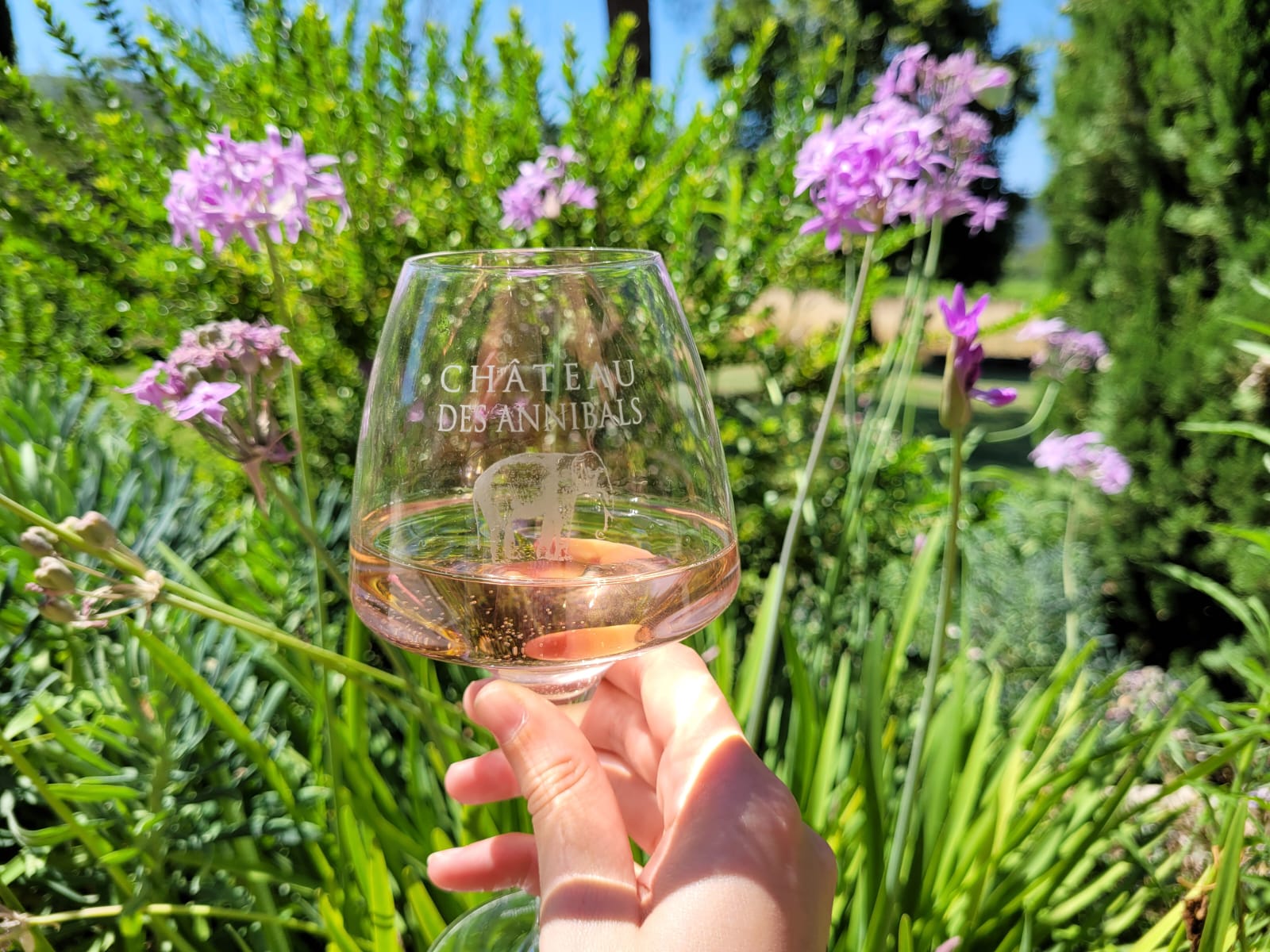
The Heart of Annibals: Rosé
Rosé is the heart of the portfolio, as it is across Provence. But Annibal’s rosé is its own thing: The blend — built primarily around Grenache Noir for body and length and Cinsault for elegance — shifts slightly with each vintage, but the character remains consistent. It is typically Provençal with its pale pink hue and notes of white flowers and yellow fruit, but it is also recognizably Annibals. “The mineral and fresher aspects of our wines bring more pleasure when it’s hot,” Nathalie says. “We have a specific balance between the fruitiness and the length in the mouth, due to our maceration process.” That is the standard she works toward every year. All this effort has paid off for the team with awards earned over the years, including:
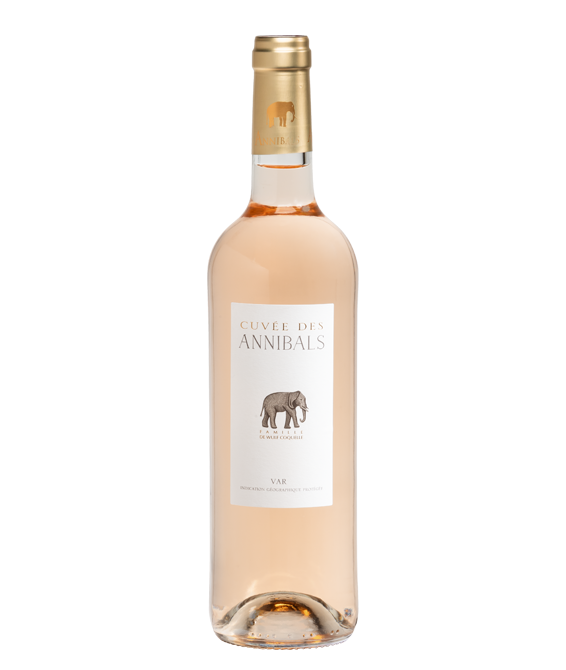
- Cuvée des Annibals IGP Var Rosé 2025
- Gold, Concours des Vignerons Indépendants,
- Silver, Challenge Millésime Bio International Contest
- Silver, Concours Général Agricole of Paris
- Cuvée des Annibals IGP Var Rosé 2024
- Silver, Challenge Millésime Bio International Contest
- Silver, The Brussels World Competition
- Wine Enthusiast Magazine – 92 pts
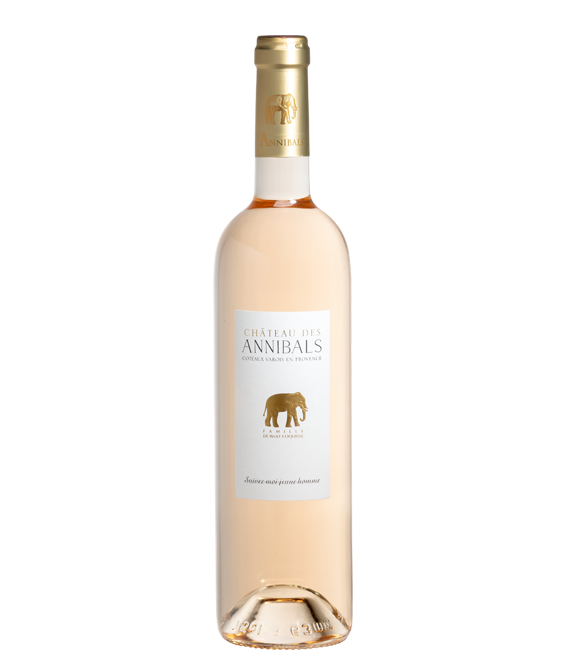
- Suivez-Moi-Jeune-Homme AOP Coteaux Varois en Provence Rosé 2025
- Silver, Challenge Millésime Bio International Contest
- Silver, Concours Général Agricole of Paris
- Suivez-Moi-Jeune-Homme AOP Coteaux Varois en Provence Rosé 2024
- Gold, Berliner Wine Trophy
- Silver, Concours des Vignerons Indépendants,
- Wine Enthusiast Magazine – 92 pt
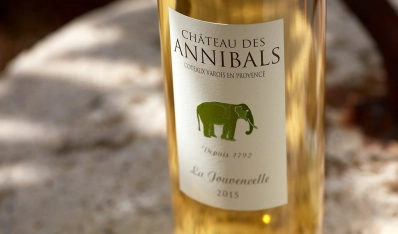
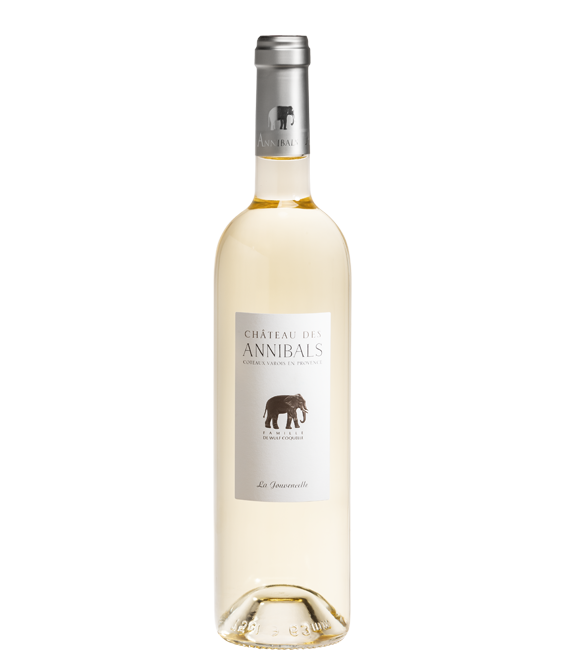
La Jouvencelle AOP Coteaux Varois en Provence Blanc: An Experiment that Delivers Excellence
In the cellar, Stoppini’s approach is steady; she respects the grape and works to make wines that are clean and easy to understand.” The goal is to make wines that taste great without distraction.” She wants you to notice the fruit, the structure, the energy. When asked what she hopes people notice first, she does not hesitate. Provence is not known for white wine, but when Nathalie took over the vineyard, there were some old, abused plots of Rolle and Ugni Blanc—decades of high-yield methods had resulted in a particularly uninteresting white wine from that vineyard. Nathalie took a different approach, pruning the vines severely to optimize quality over yield. The team also experimented with ultra-long 24-36-hour maceration. All this was unheard of, but the experiment delivered amazing results. Dubbed La Jouvencelle, or the maiden debutante, she has received multiple awards over the years, including: Silver, Concours des Vignerons Indépendants, 2025; Gold, Vinalies France; Bronze, Concours Général Agricole of Paris, 2023. Severe pruning, ultra-long maceration, and a refusal to accept what the plots had always produced. The results speak for themselves.