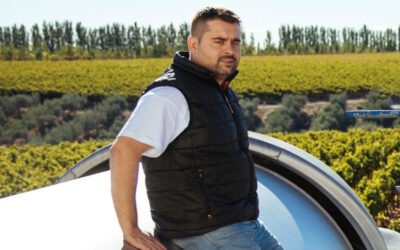
Peter Gönc never sat in a formal enology class. He grew up in his family’s cellar near Ptuj, in northeast Slovenia, left it for a while to explore and learn from other regions and winemakers, and came back to Štajerska and got to work. Peter is a winemaker that works from observation and feel. He does not follow a formula, and you can see that in the wines he chooses to make: easy-drinking, chillable reds, orange wines held on their skins for weeks, and a barrel-fermented Chardonnay he considers the best thing he has made so far. Four generations of winemakers stand behind him, but he has no interest in following their path. He is following his own preferences and ideas, but never forgetting all those who came before.
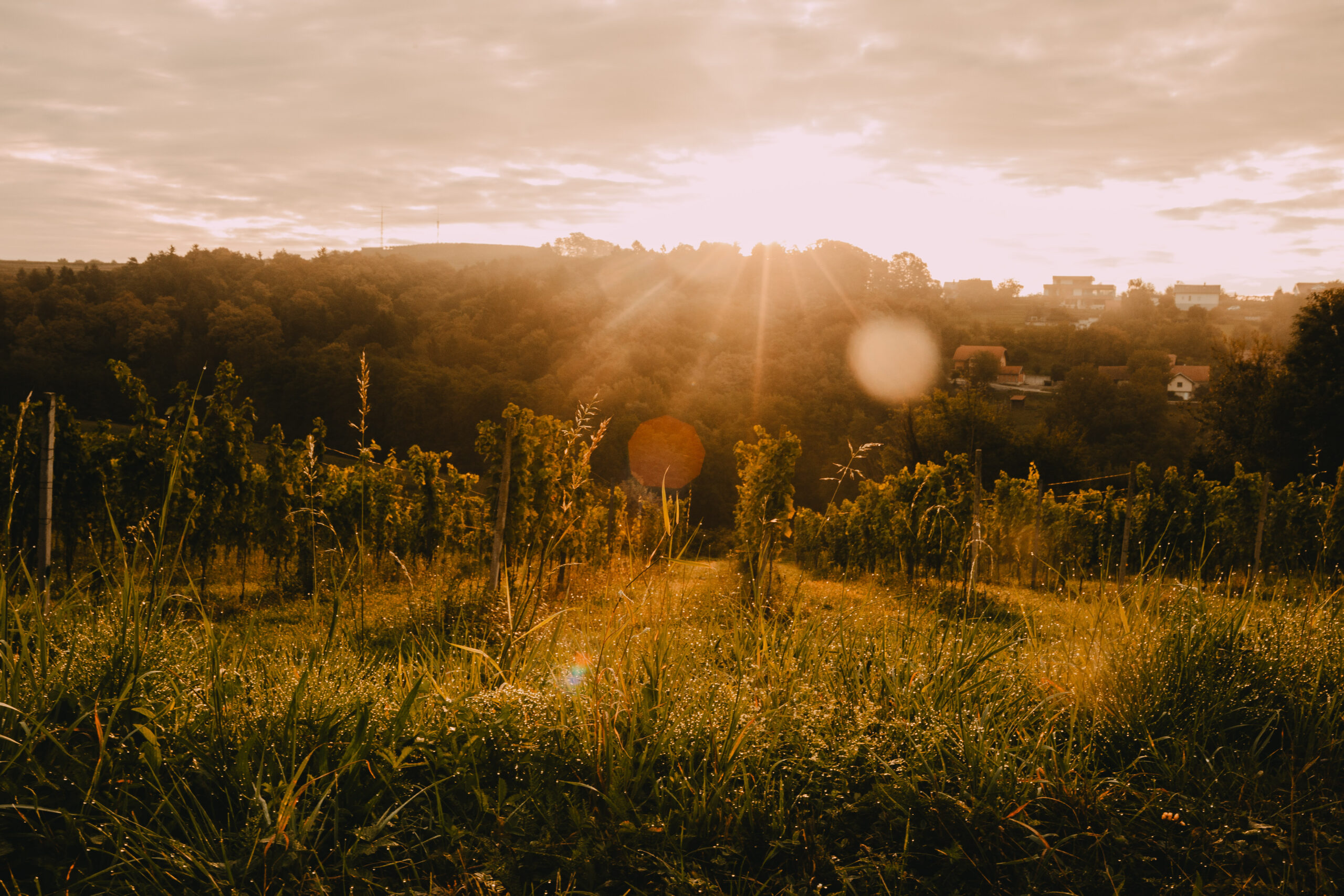
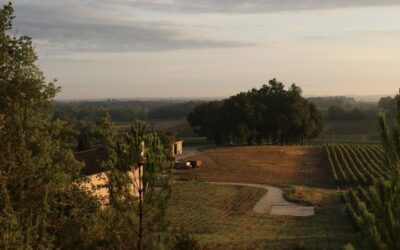
Gönc Winery Vineyard at sunset
Peter Gönc’s roots in Štajerska, Slovenia
The Gönc story starts in 1936, when Peter’s great-grandfather built his first cellar and planted the vineyard around it in the small town of Dobrovnik. After the war, Peter’s grandfather moved to Ptuj and took a job at Ptujska Klet, the Ptuj wine cellar, sweeping floors as a cellar cleaner. He worked his way up to head winemaker and, eventually, CEO of the oldest winery in Slovenia, now known as Pullus. Peter’s father worked at Pullus too, and on the side he planted 24 acres of his own vines. That estate now runs to 28 acres.
When Peter came of age, the family built a new cellar in Ptuj and restarted Gönc, this time as its own winery. Peter stepped off that path to make small quantities under his own name, on his own terms rather than following in his family’s footsteps. His father and grandfather rose through Slovenia’s largest, most institutional producer, but Peter has chosen to walk his own path.
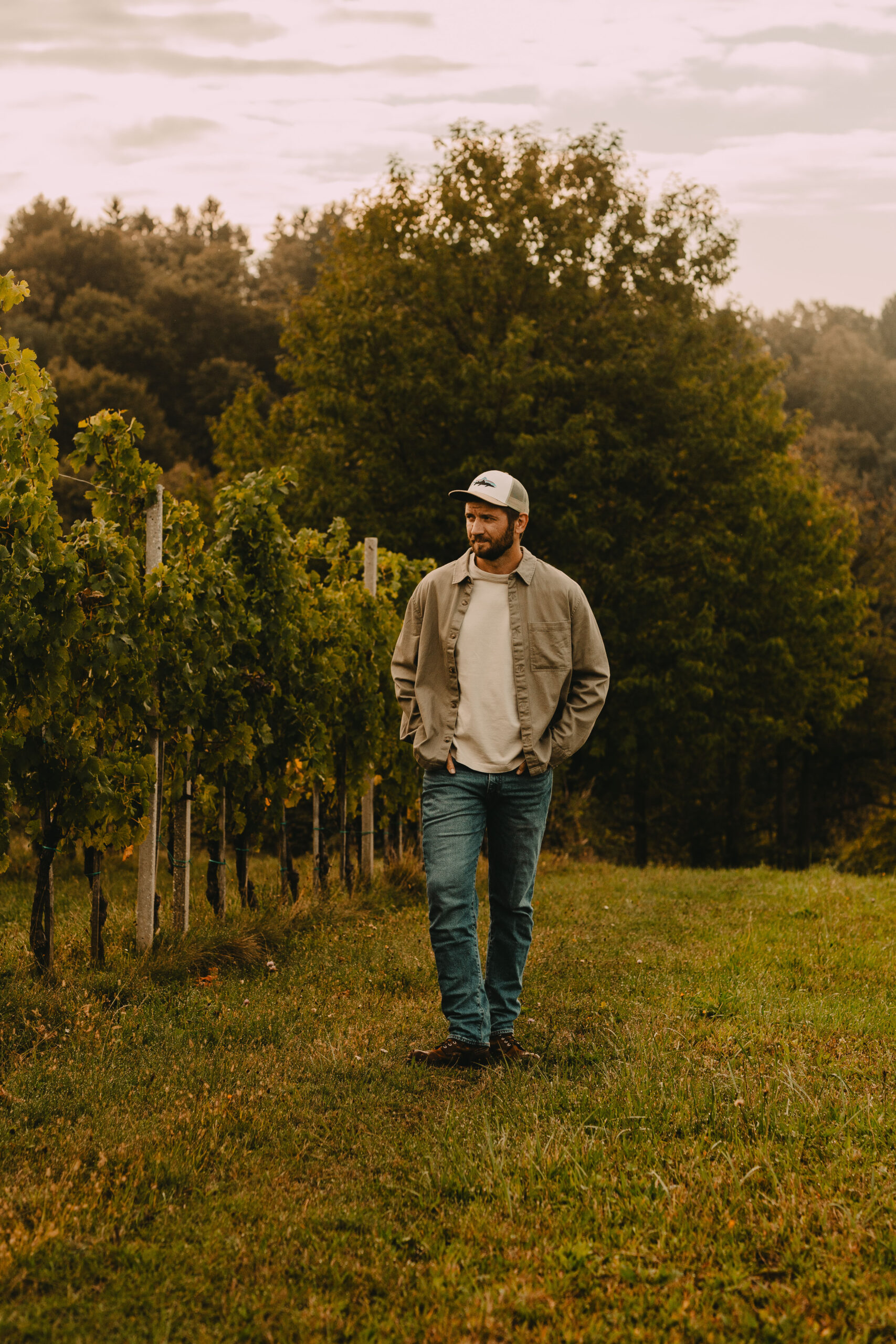
Peter Gönc in the Vineyard
A Slovenian winemaker with no house style
Working without a formal playbook comes naturally to Peter. It is not in him to follow any sort of formula to make his wines. Instead, he goes where the wine takes him, and that instinct, paired with real curiosity, is why his range looks the way it does. While it is true that Peter has a distinct point of view when it comes to the wines he wants to make, there is no “house style” he works to preserve. Peter keeps moving, fresh and immediate one season, structured and serious the next, taking something from each vintage into the following one. It is a harder way to work, but for Peter it is the only way.
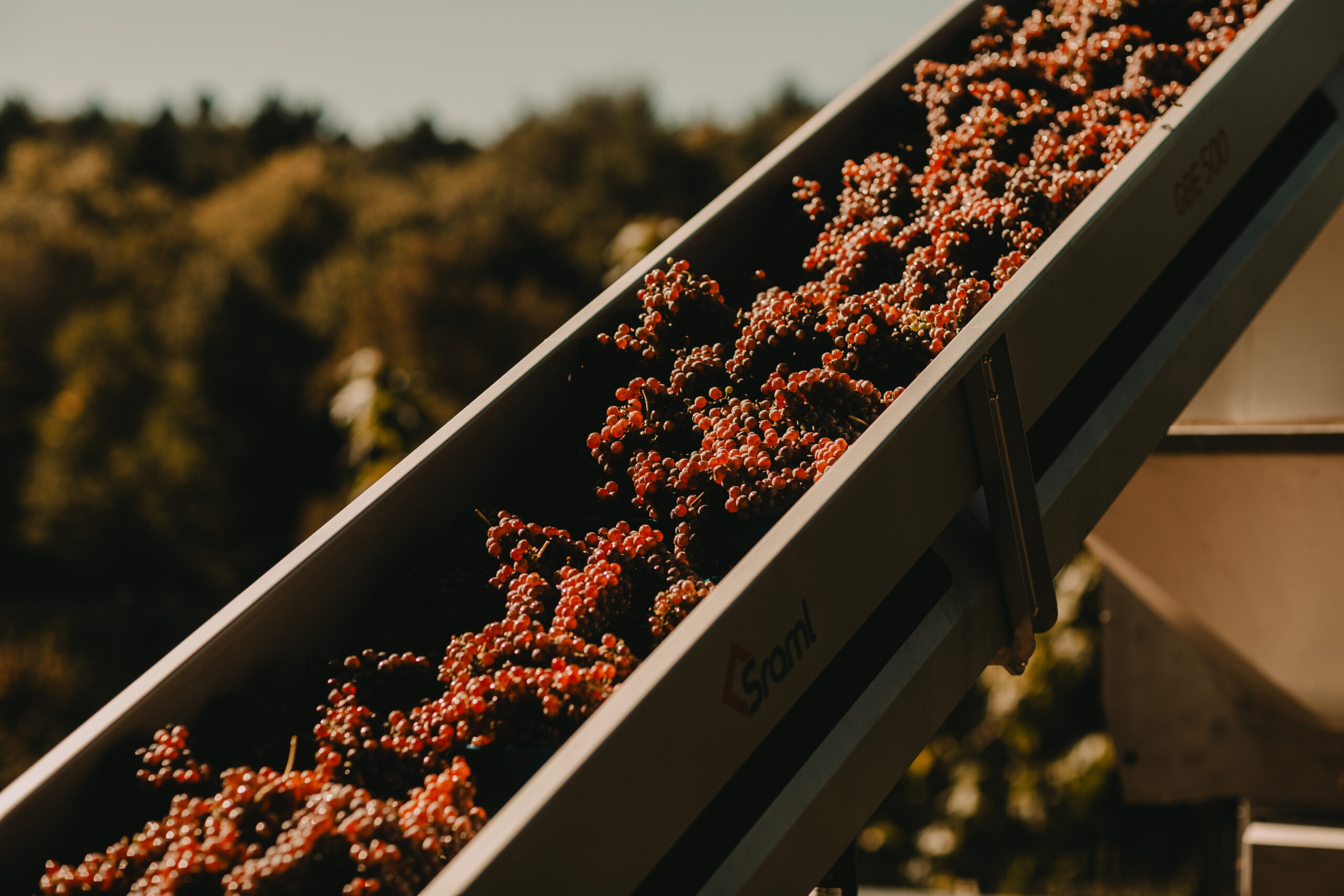
Grape Harvest at Gönc Winery
Skin-contact and orange wines from Gönc Winery
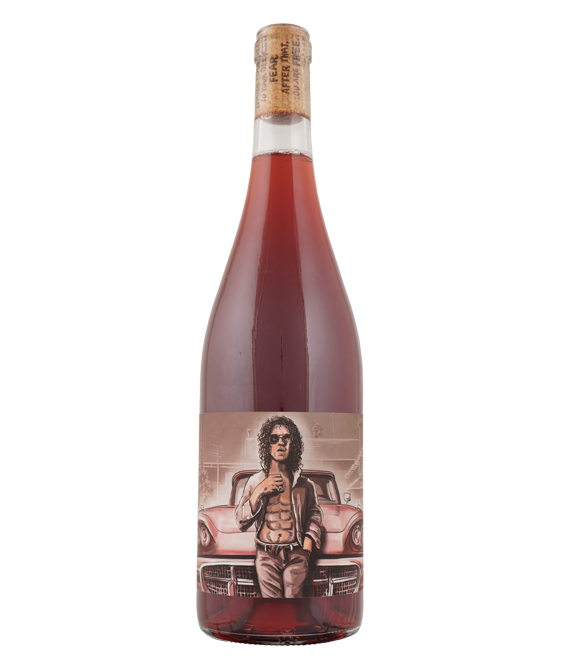
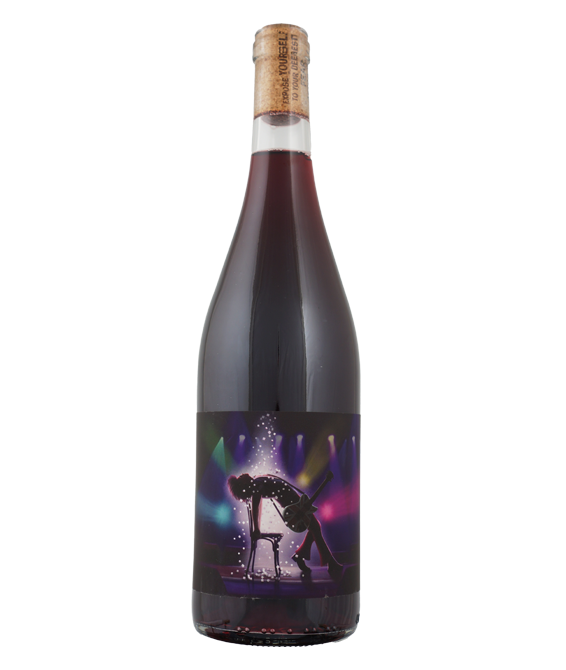
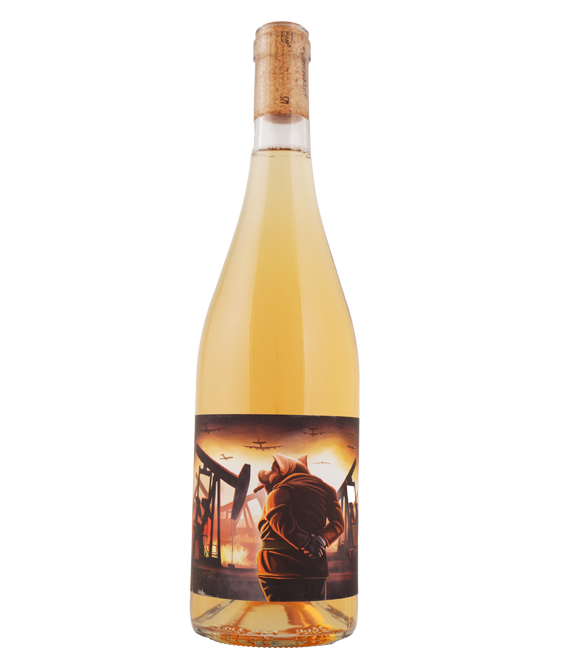
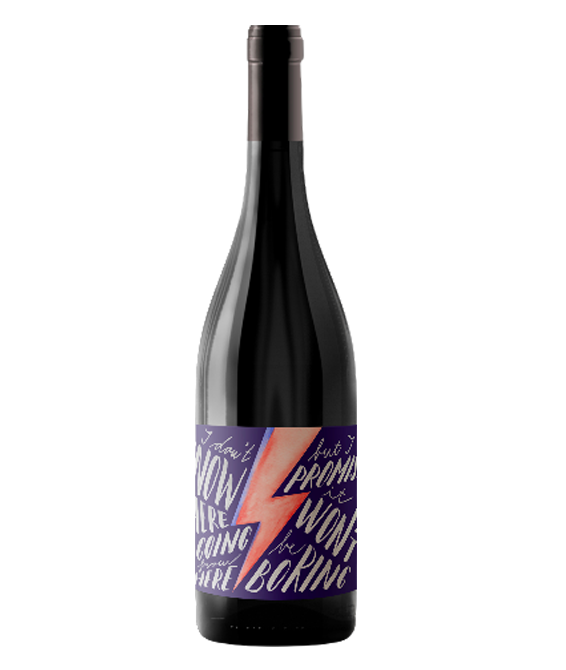
Many of his wines are named after the records he plays in the cellar while he works, such as David Bowie’s “Starman” and AC/DC’s “Dirty Deeds.” These are his most expressive and unguarded wines, including skin-contact whites and a Pinot Grigio he leaves on its skins for six weeks until it turns amber.
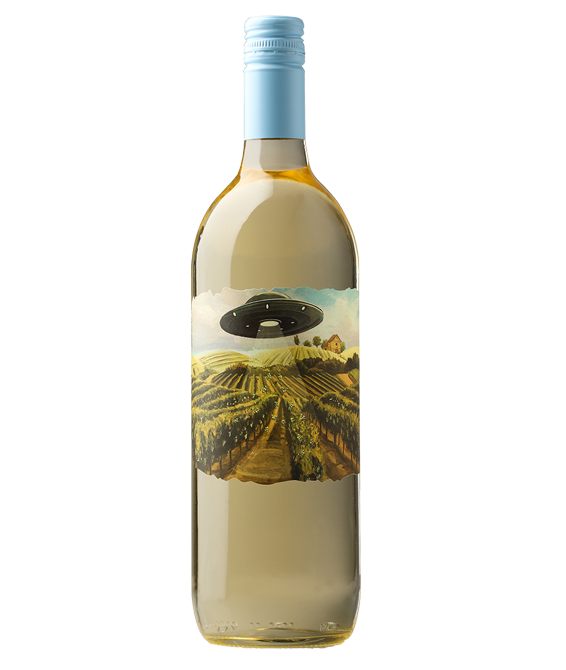
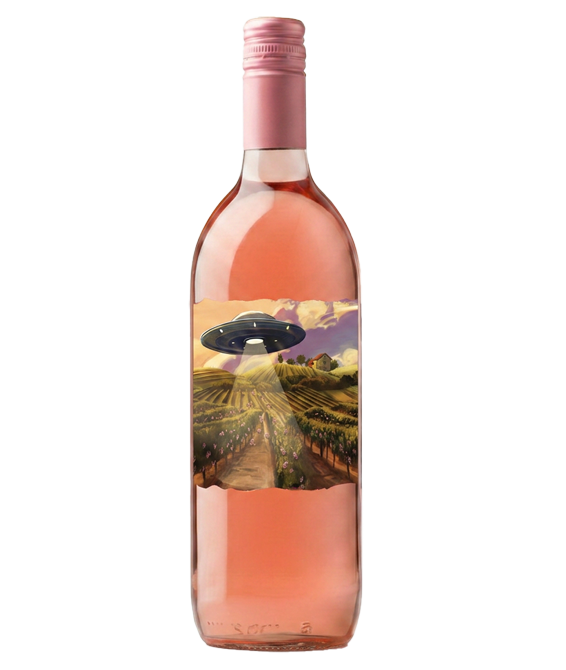
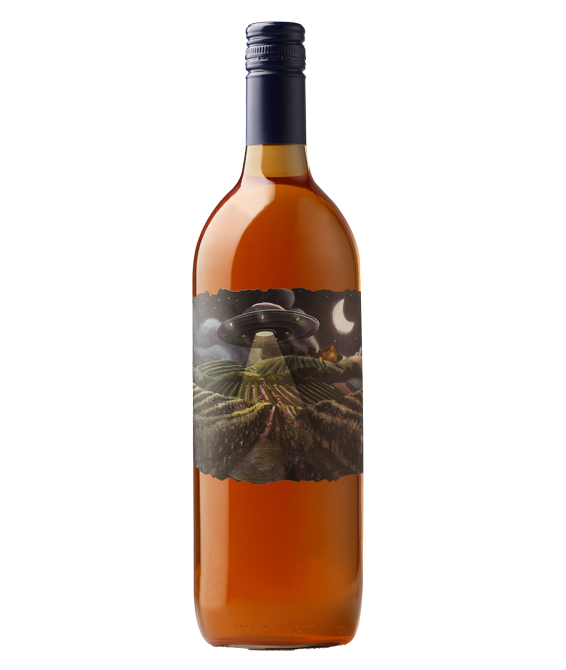
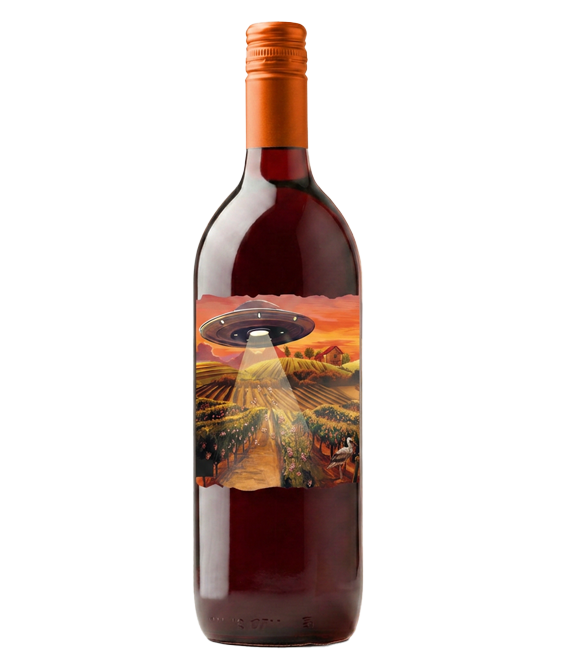
Grape Abduction Company, the chillable side project
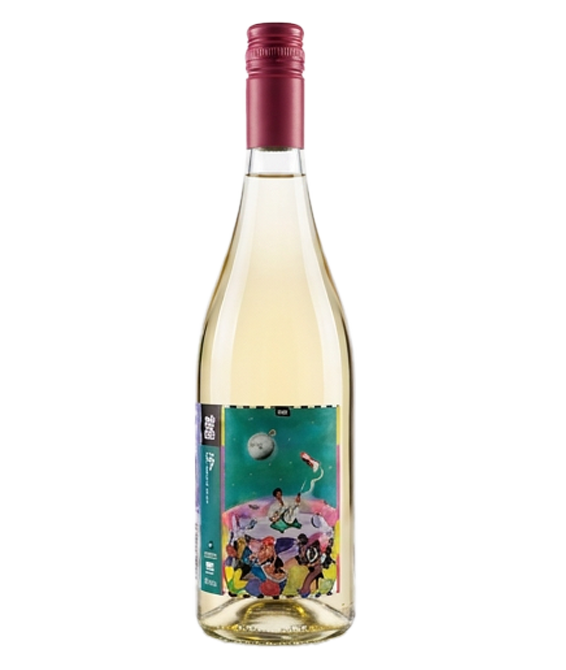
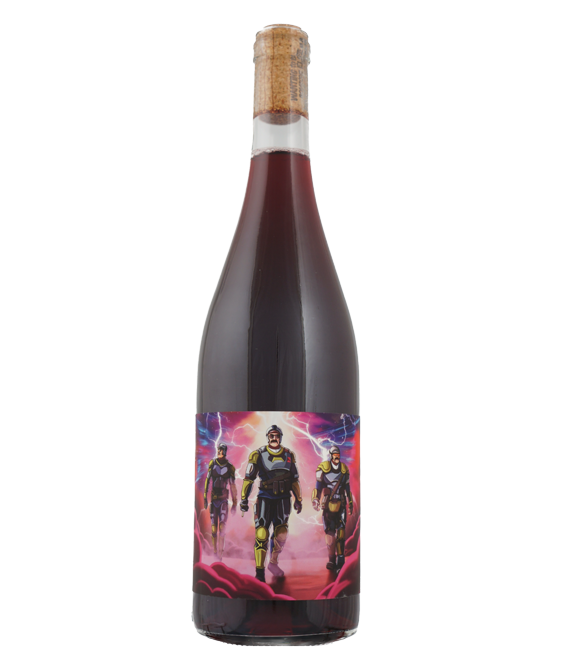
Then there is Grape Abduction Company, his side project and his most playful, sold on the idea that aliens crossed the galaxy, looked the planet over, and picked Štajerska to make wine. Same fruit, looser approach, bottled by the liter for drinking cold.
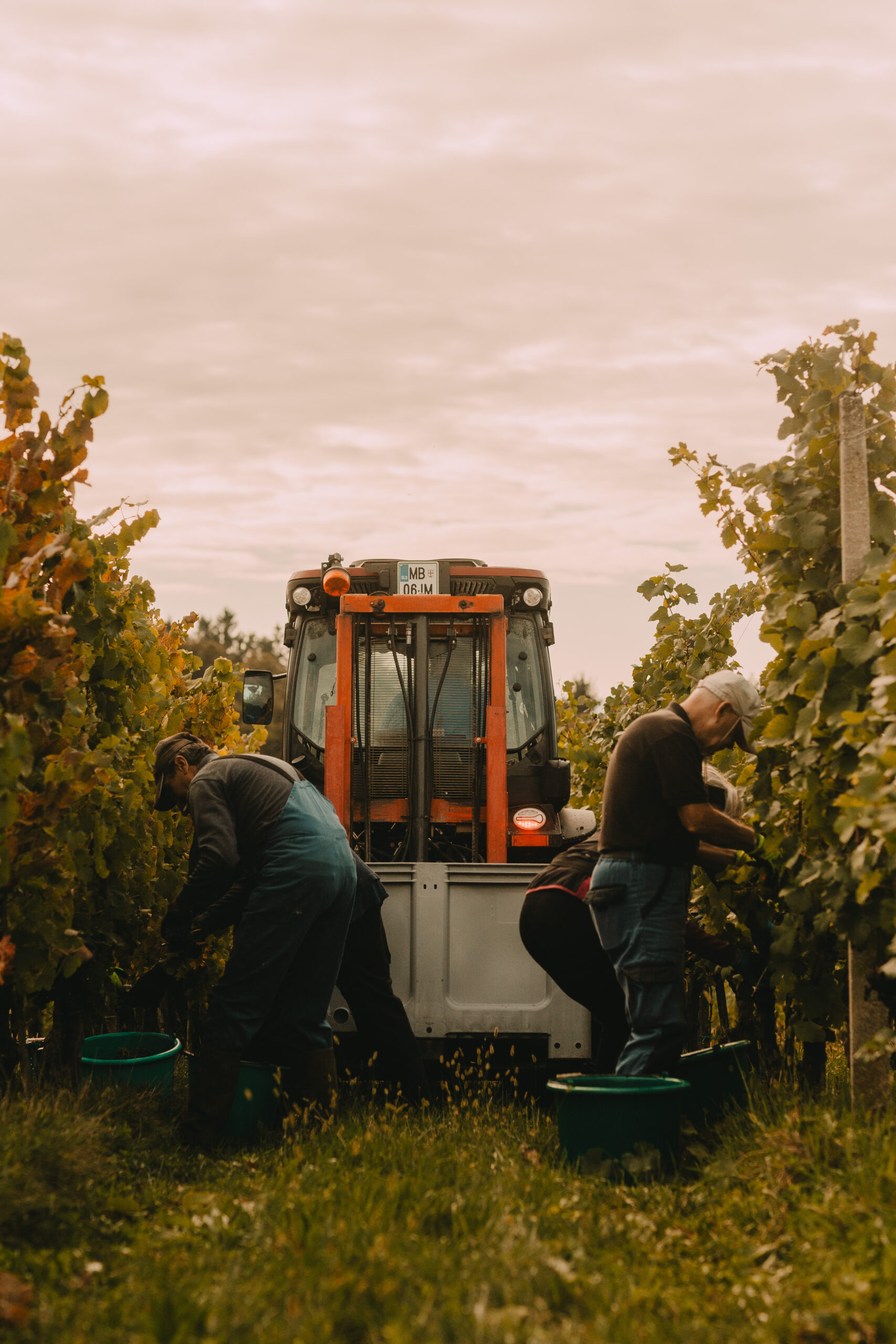
Hand harvesting grapes at Gönc Winery
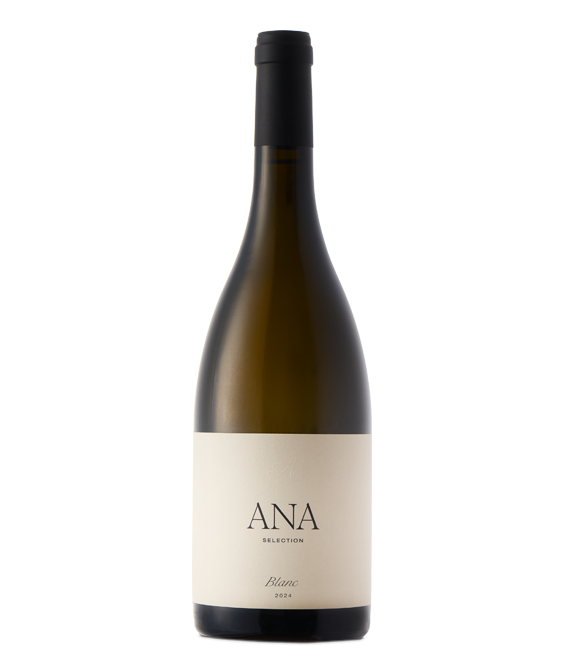
The Ana wines: barrel-aged Slovenian whites
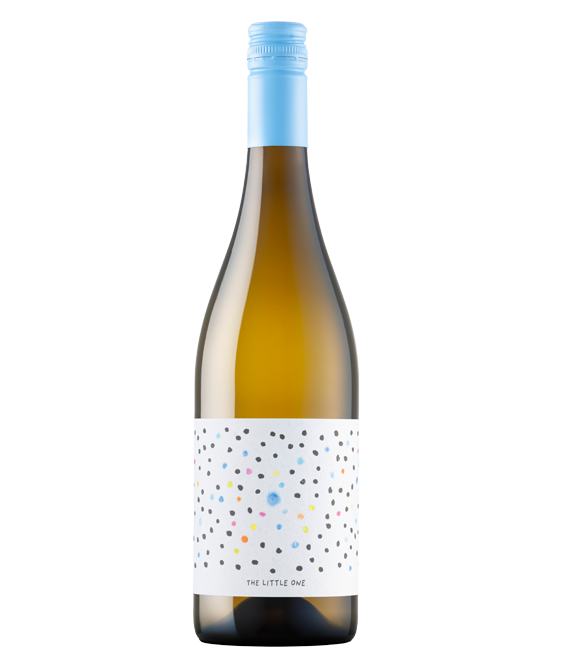
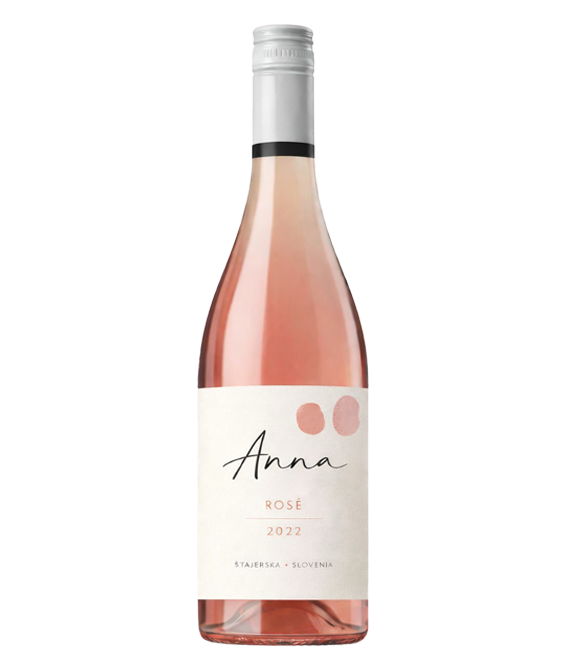
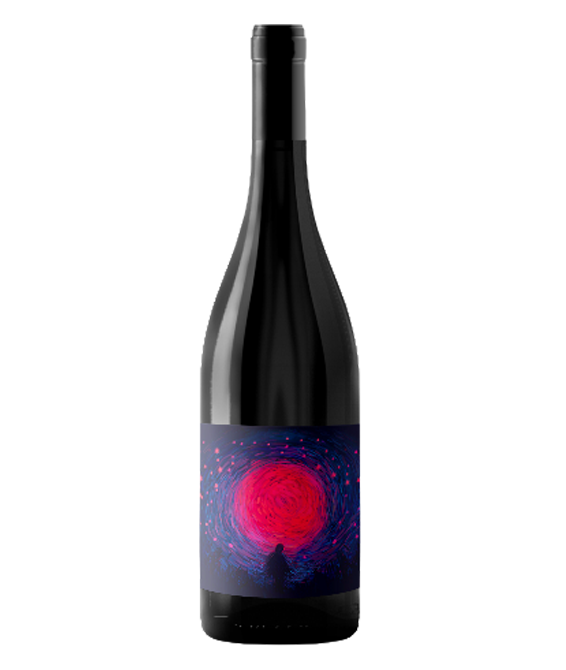
His Ana wines are the newest chapter, and maybe the most personal. Here Peter reaches for refinement and permanence. The line is named for all the Anas across the generations in his family. Aged in French oak and drawn from only his best barrels, made in tiny quantities and aimed at the top end. It is the clearest sign yet of where his attention is turning. Lately, he says, it is white wine that pulls him.
Organic farming, low-sulfur winemaking
No matter the project, all the farming is practicing organic, and the wines are bottled with little to no added sulfur. No added sulfur does not mean the wines are unstable; Peter’s wines hold up well once opened, so don’t hesitate to offer them by the glass.
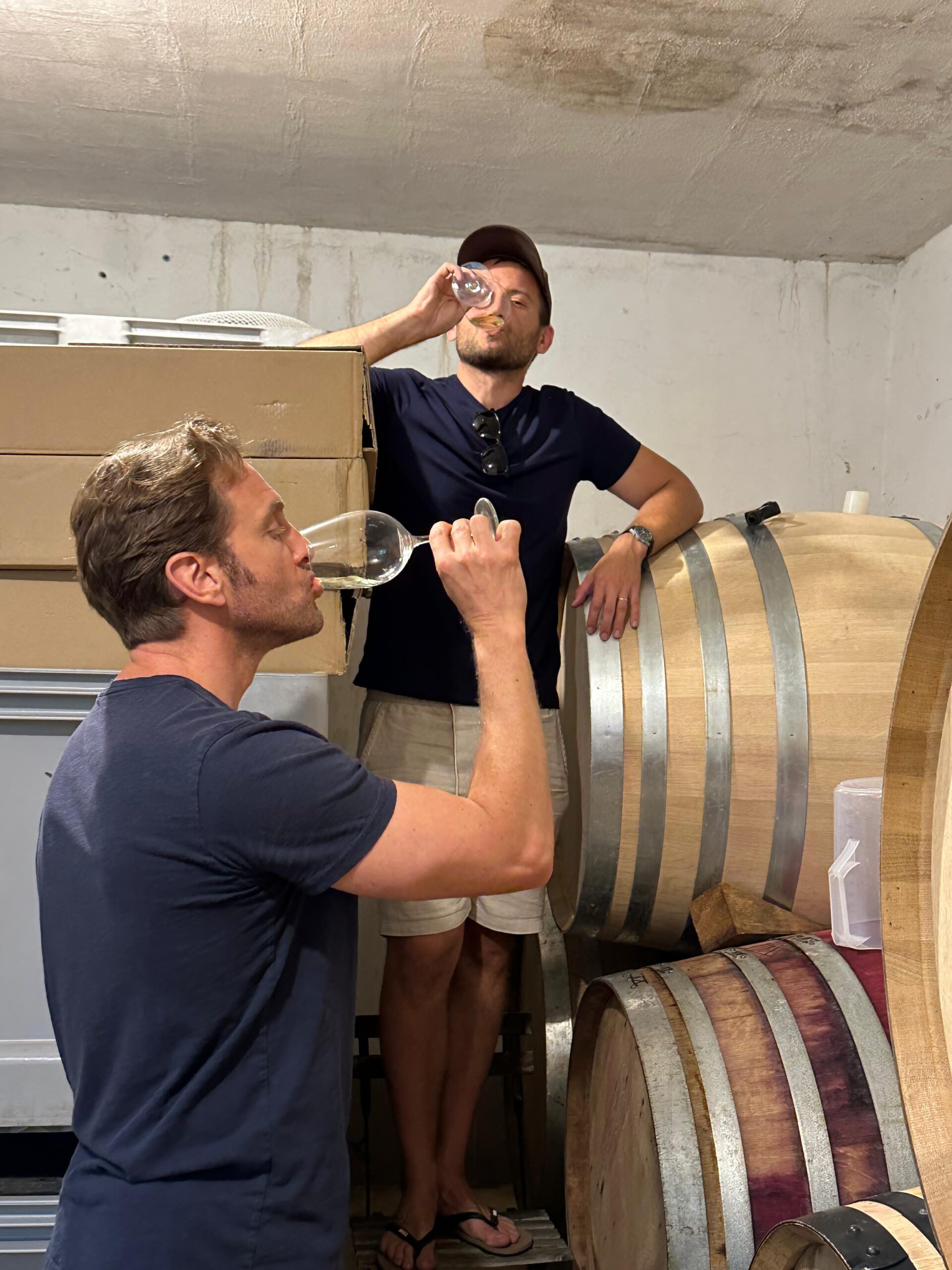
Peter Gönc and JP Bourgeois in the wine cellar
A Slovenian producer in the JP Bourgeois portfolio
For JP Bourgeois, Peter is one of a small handful of core winemaker relationships, and one of only two in the portfolio outside France. The relationship has also produced something JP values more than a sale: through an introduction JP made, Peter and Burgundy’s Numa Cornut became friends, two young winemakers from deep wine families who each chose their own road, now trading ideas across borders. JP built the portfolio around exactly this, real growers and real stories, people he knows rather than names in a catalog.
Peter is still curious; he has a family legacy and could follow that path, but he is doing the more difficult thing instead: making wine his way. For Peter, that is the only path worth following.