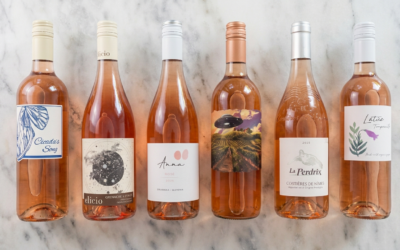
Spring has arrived, and with it, rosé. You know we take rosé seriously here at JP Bourgeois, and this year we’ve selected 12 still rosés from six regions across three countries — France, Slovenia, and Spain — that we’re excited to share with you. Before you place your order, we’ve got four questions worth asking as you plan for the season.
Are Buyers Over Provence?
We don’t think so. Most rosé programs aren’t that deep — they haven’t had to be. One style has dominated the market for years. You know the one. The pale, mineral, Grenache-forward Whispering Angel style. She has been queen since she launched in 2006, and it’s been a good run.
But the category has matured. Consumers who came to rosé through Provence have been drinking the same style for over a decade. A growing number of them are ready to be pointed somewhere new. The buyers and sommeliers who shape lists and shelves know this — they’re actively looking for wines with a specific story, a specific place, a reason to exist beyond “pale and Provençal.”
And there is the harsh reality that tariffs are adding cost across European imports. A program with built-in price flexibility is more resilient than one without it. A Provence-only lineup leaves you exposed. Including a variety of regions, styles, and price points in your assortment gives you more options.
“We carry Provence rosé” is just a starting point.
So, yes, carry Provence — but with a twist.
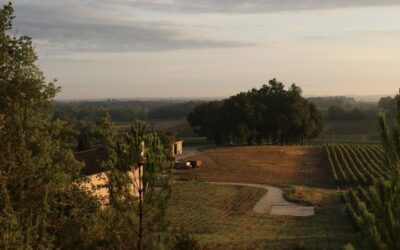
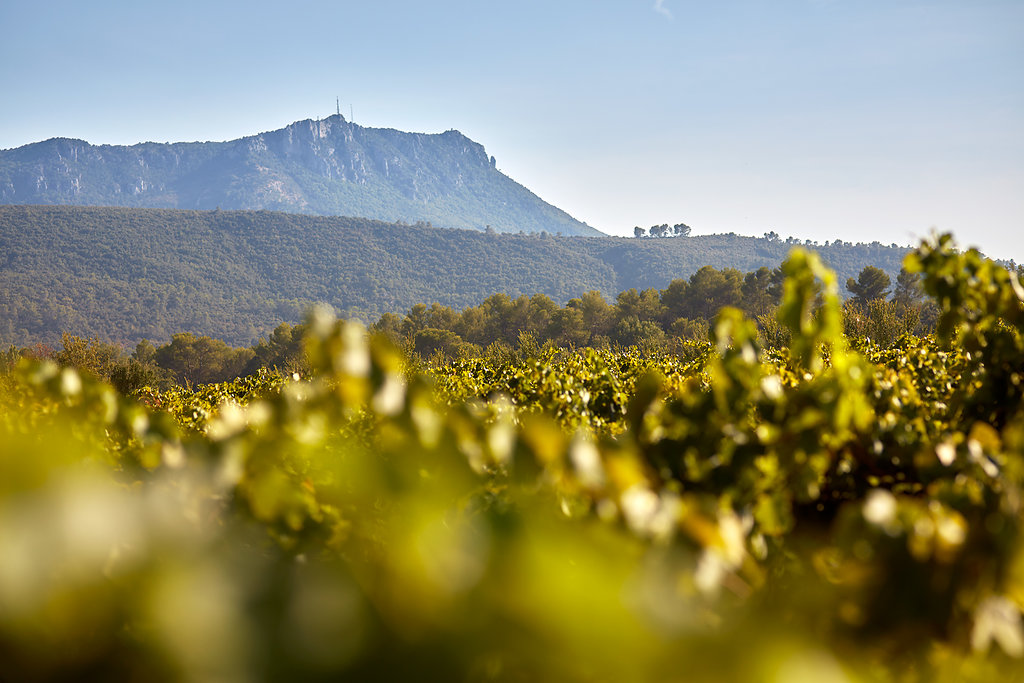
Château des Annibals sits on a plateau that is cooler than the Mediterranean-facing vineyards of Southern Provence. The area experiences harsh winters, hot, dry summers, and cool nights. Parcels are small, fully south-facing, bordered by woods and garrigue. This combination of climate and terroir produces wines that are more food-friendly, more textured, and more specific than people expect from the region.
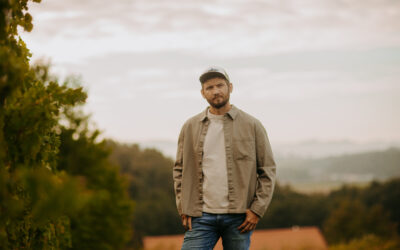
Winemaker Nathalie De Wulf Coquelle has no interest in matching some abstract Provençal style. She is much more interested in making wines that reflect the particular character of her plateau. That’s the direction the category is moving — not just “Provence,” but a specific place within it.
Do I have range across styles?
The rosé category seems deceptively uniform at first glance — pale pink, dry, bright. Get the wines in a glass and the differences become obvious. Body weight, aromatic intensity, finish length, and texture vary significantly across regions and winemaking approaches. A wine fermented in cool stainless steel from Grenache on limestone soils near the coast tastes nothing like a Syrah-dominant wine from warm Languedoc terroir, or a Pinot Noir from 740 feet of elevation in Sancerre. The category has range. The question is whether your program uses it.
A wine that works beautifully by the glass at a coastal seafood restaurant is different than one that belongs on a wine bar’s charcuterie board or holds up in a wood-fired kitchen. On the retail floor: do you have something for the customer who wants the familiar, and something for the customer who’s ready to be surprised?
This season’s selection offers both.
Sancerre
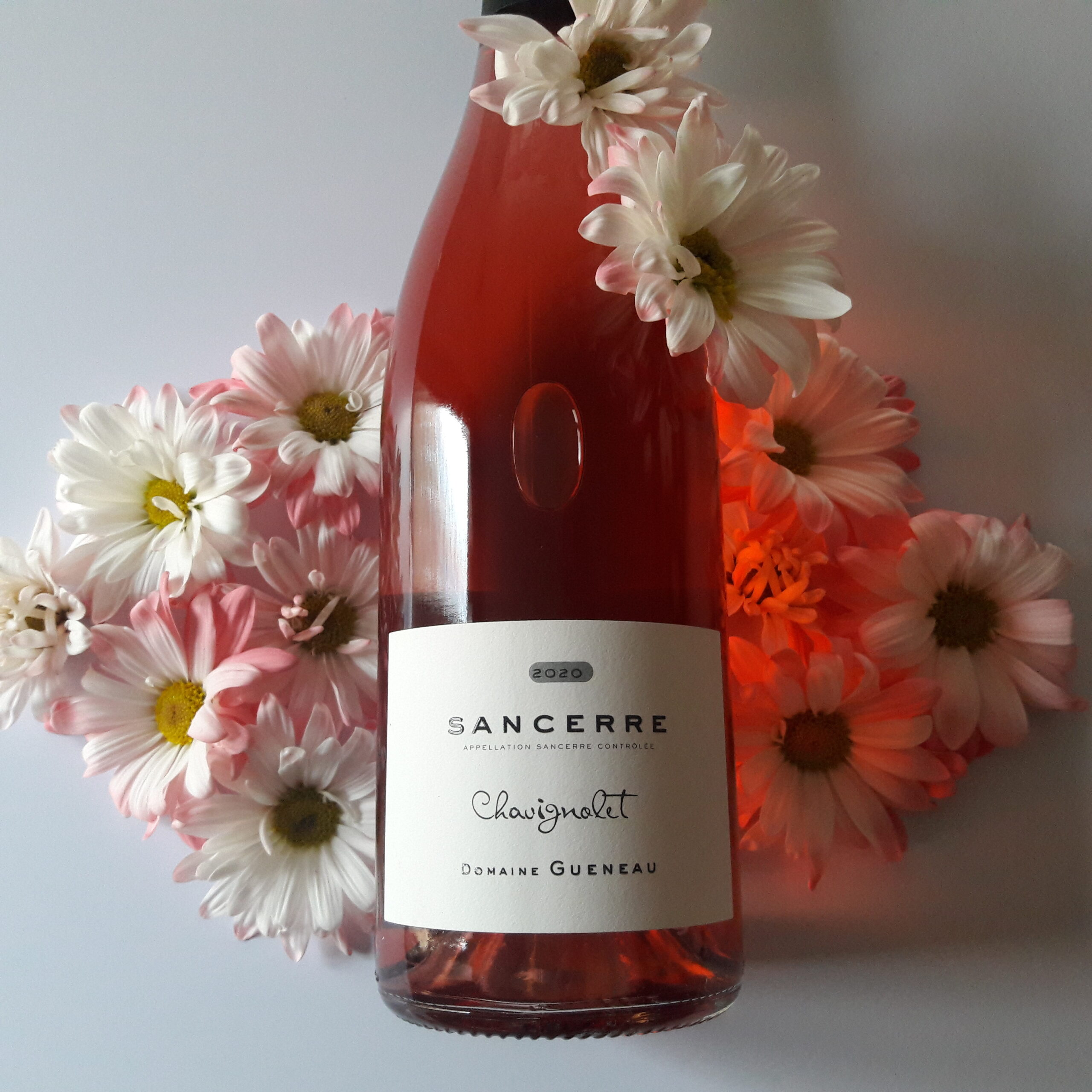
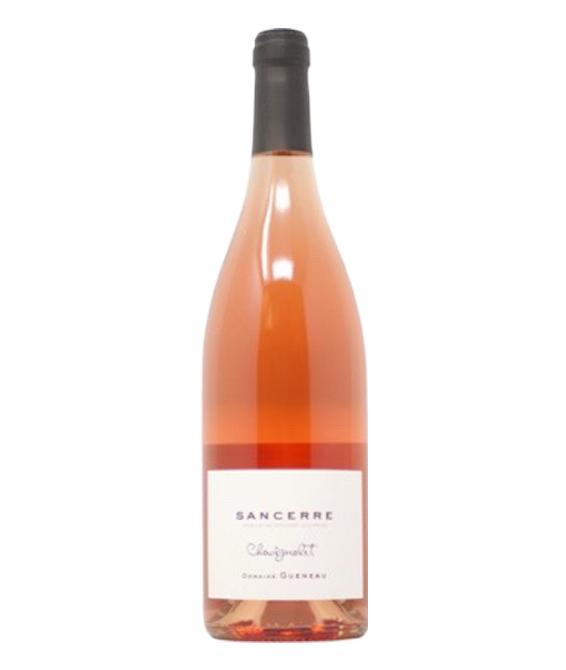
Elisa Gueneau Rosé 100% Pinot Noir from 35-year-old vines on caillottes soils — decomposed limestone broken into pebbles — at 740 feet elevation in Chavignolet. This wine represents less than 1% of Sancerre’s total output. The appellation name earns immediate credibility with sommeliers, serious retail buyers, and customers who already know what Sancerre means. What Gueneau’s rosé offers beyond the appellation is precision: rose petal, strawberry, and citrus, with nervy mineral tension and a notably long finish. It belongs at the premium end of any list and gives staff something genuinely specific to say.
Rhône
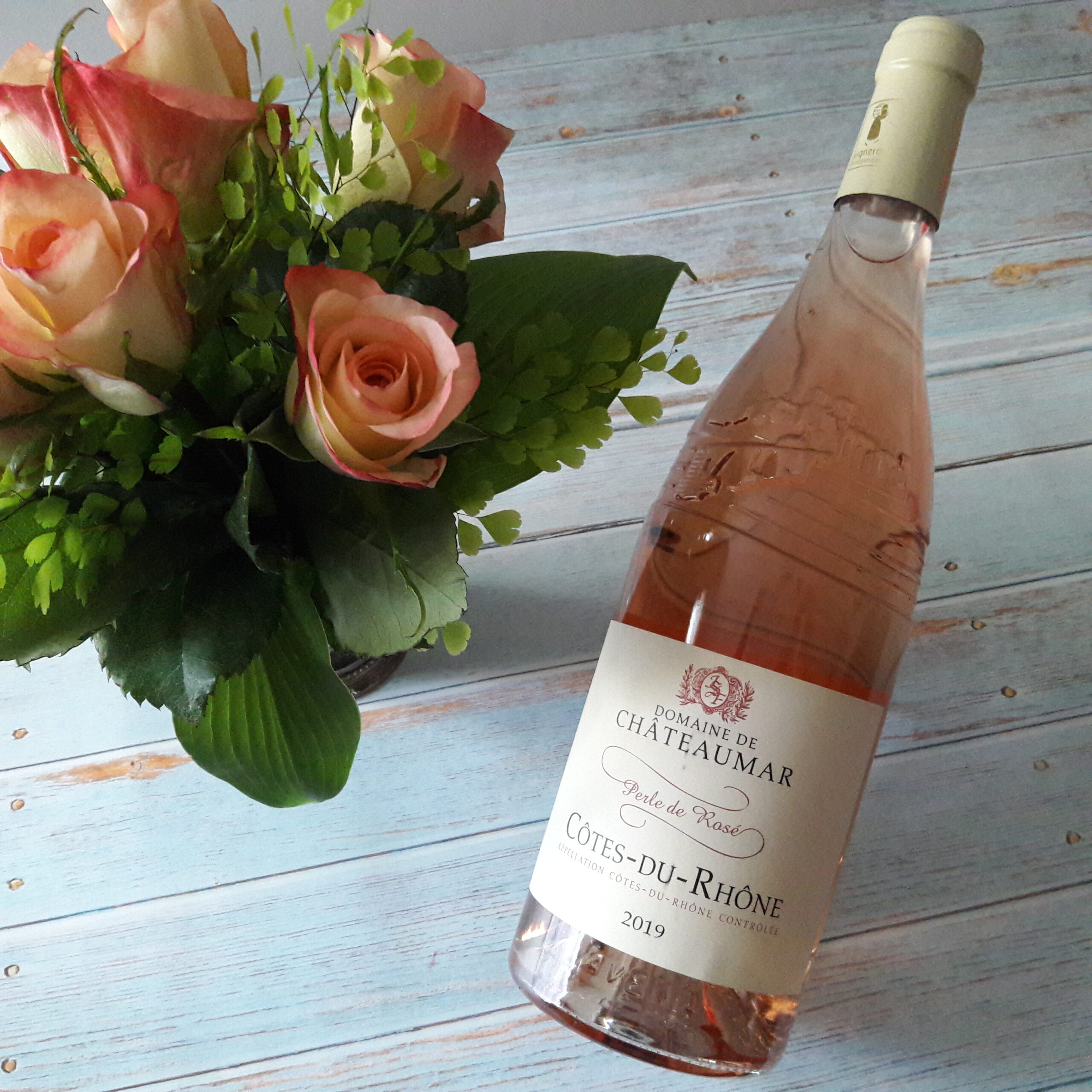
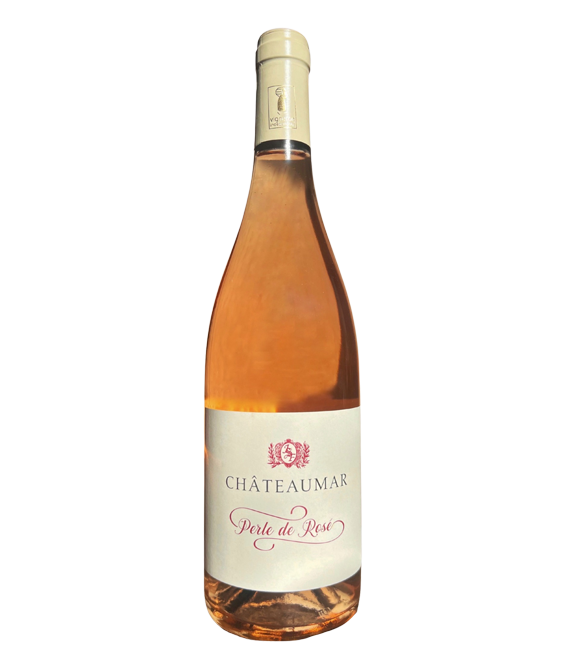
Perle de Rosé, Domaine de Châteaumar 80% Grenache, 20% Mourvèdre from clay-limestone and sandstone soils near Châteauneuf-du-Pape. Delicate rose-petal hue, red and yellow fruit, and full-bodied freshness that works equally well as an apéritif or with a meal.
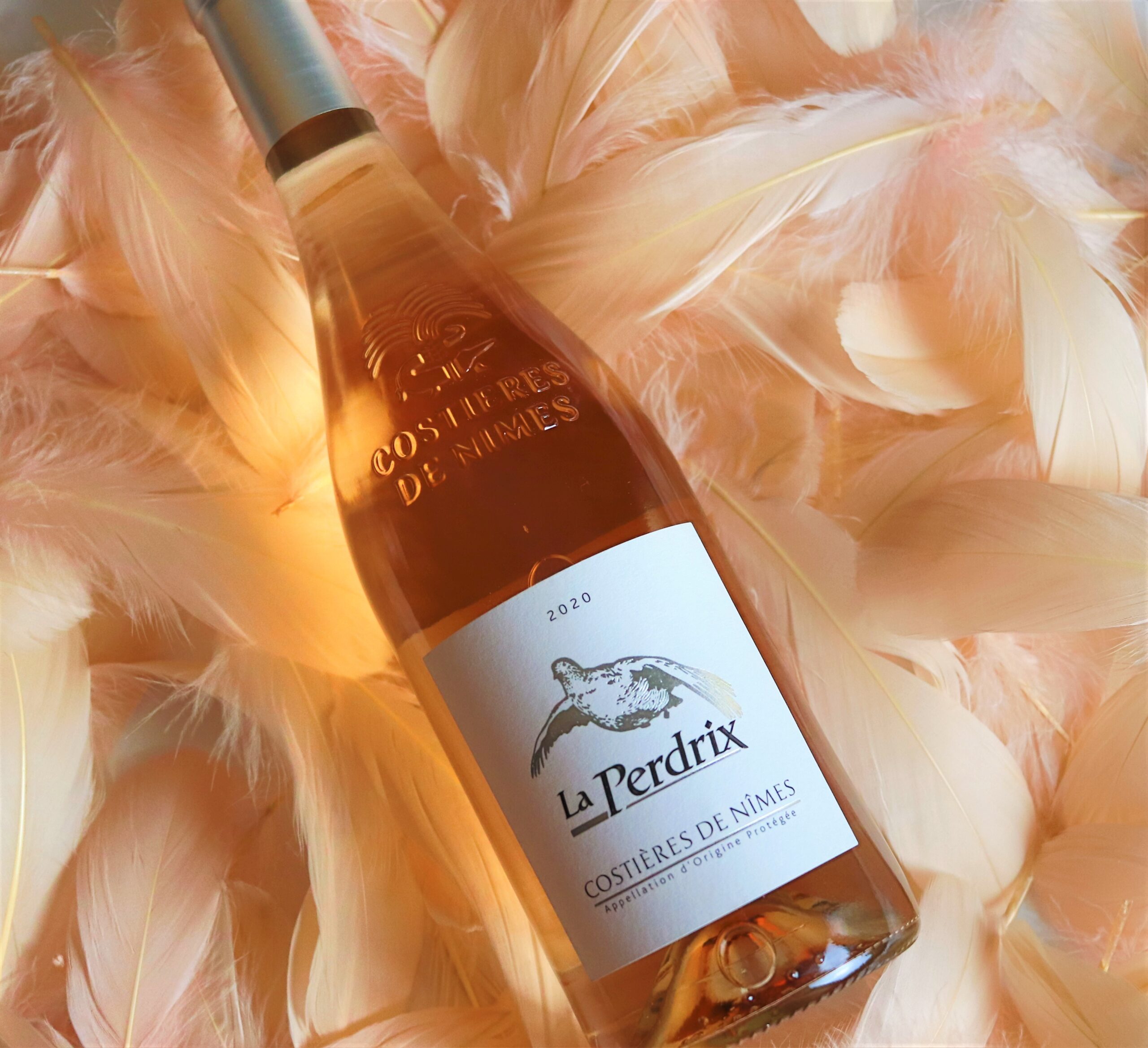
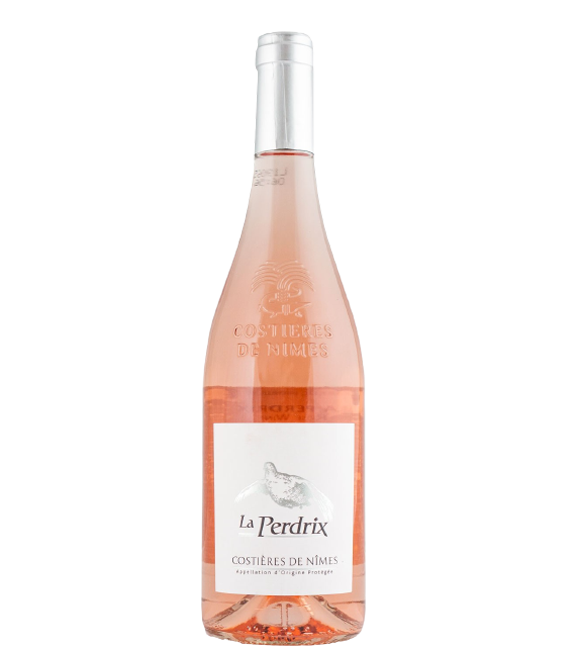
La Perdrix Rosé From Costières de Nîmes, grown on the same rounded galet stones that define the great Crus of the Rhône Valley. Deeper in color toward a pale fuchsia, with a complex nose of wild strawberry, cherry, and raspberry, and a generous, persistent palate.
Languedoc
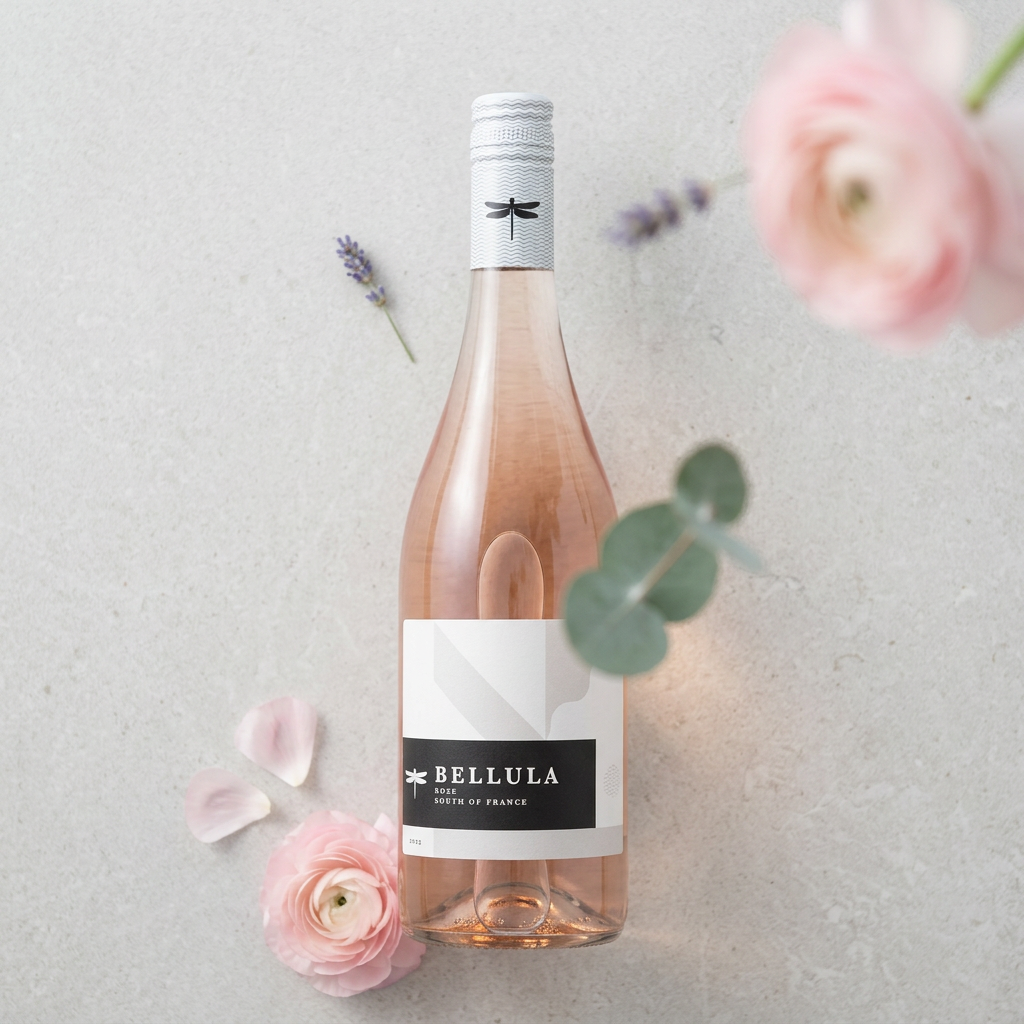
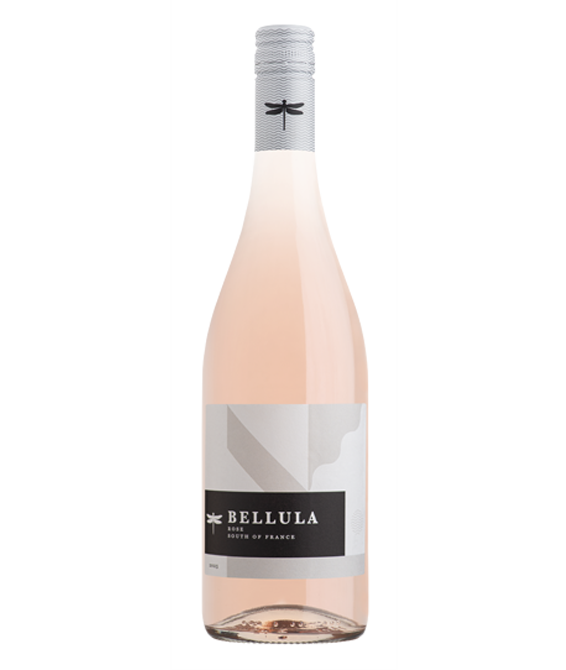
Bellula Rosé Made near Béziers from 70% Grenache and 30% Syrah, this wine leads with violet, citrus, and peach blossom and finishes clean and refreshing — a wine that captures the conviviality of southern France without trying too hard.
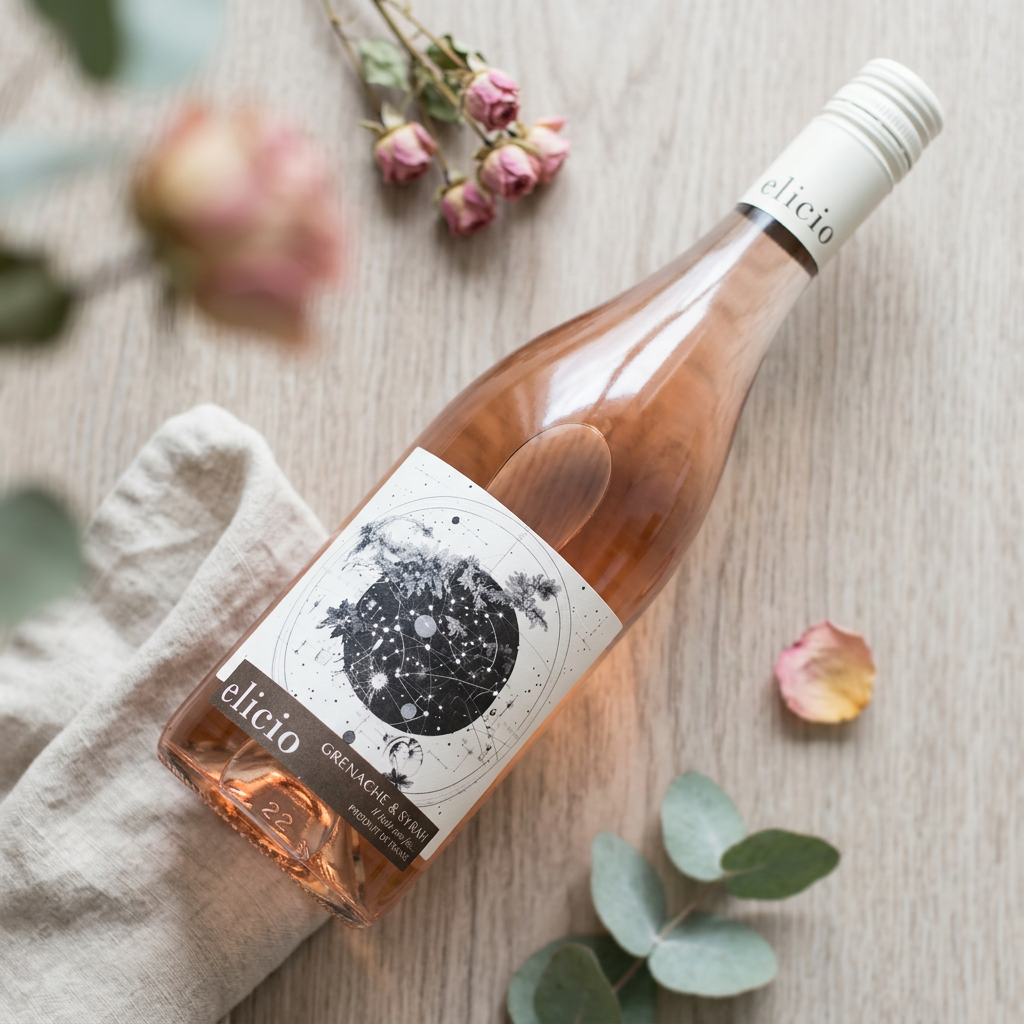
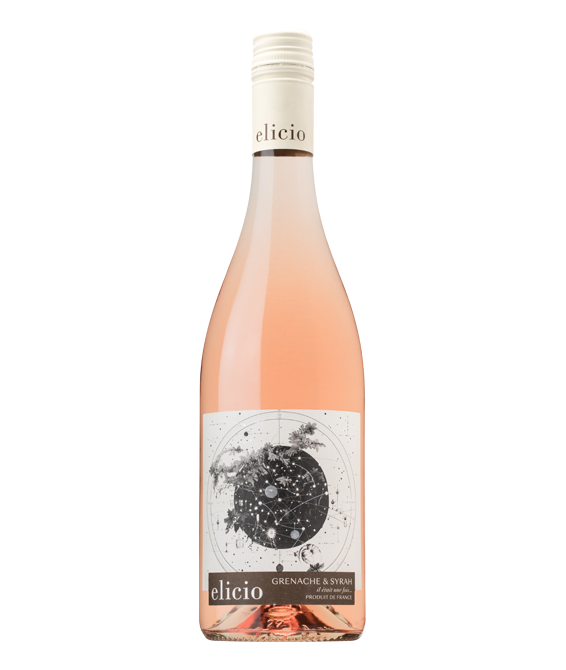
Elicio IGP Méditerranée Rosé From near Mont Ventoux, 80% Grenache Noir and 20% Syrah, a pale, mineral-driven style that competes with Provence on freshness while telling a completely different story.
But also Provence
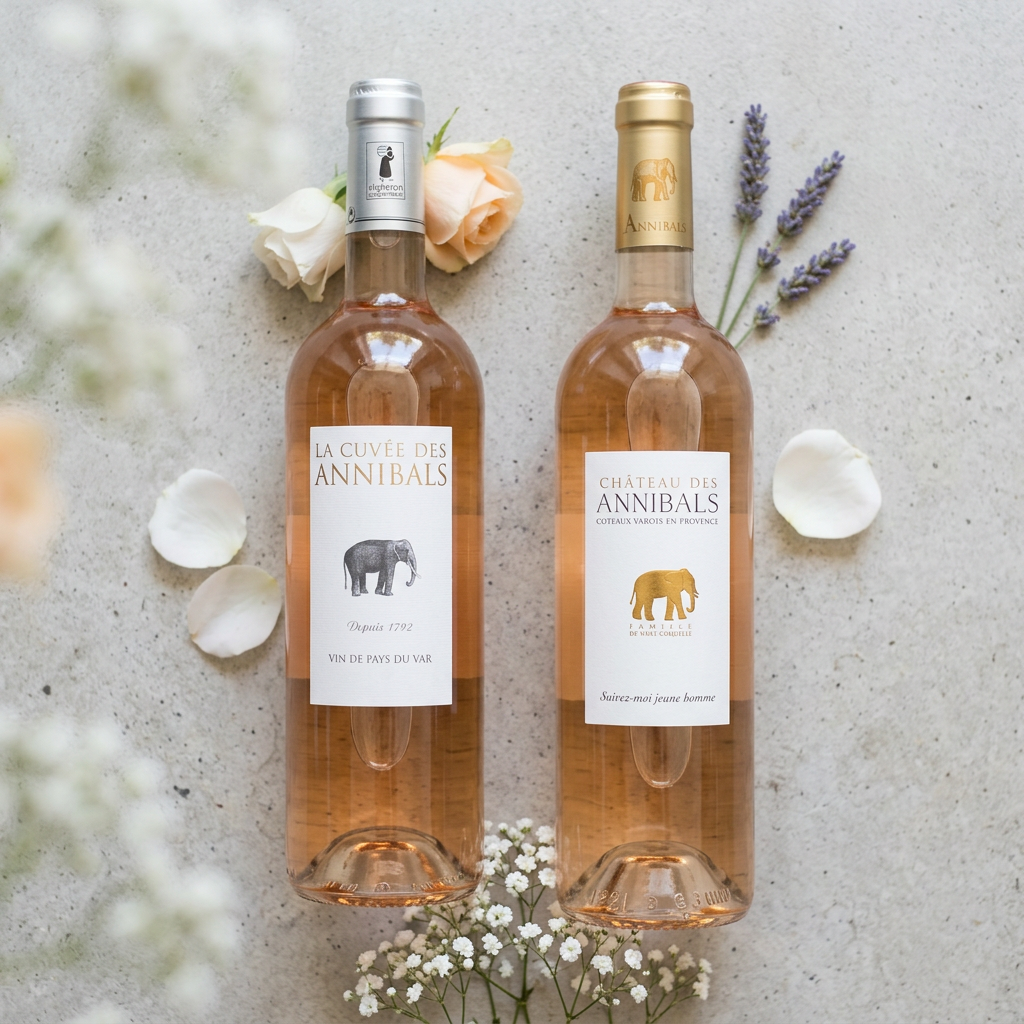
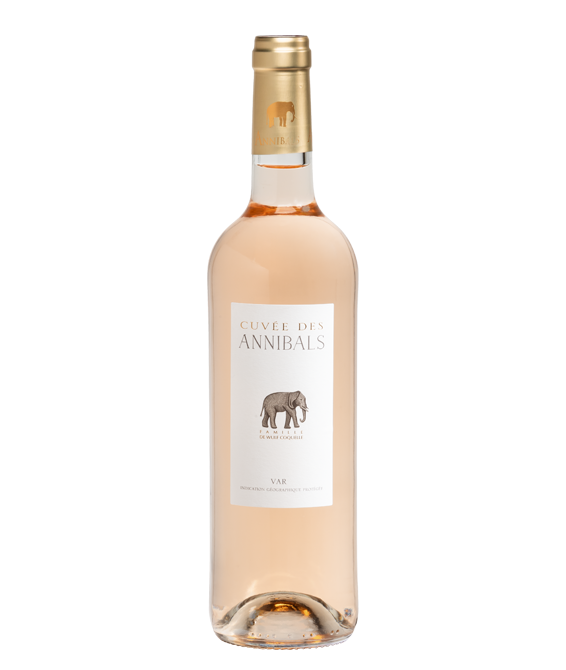
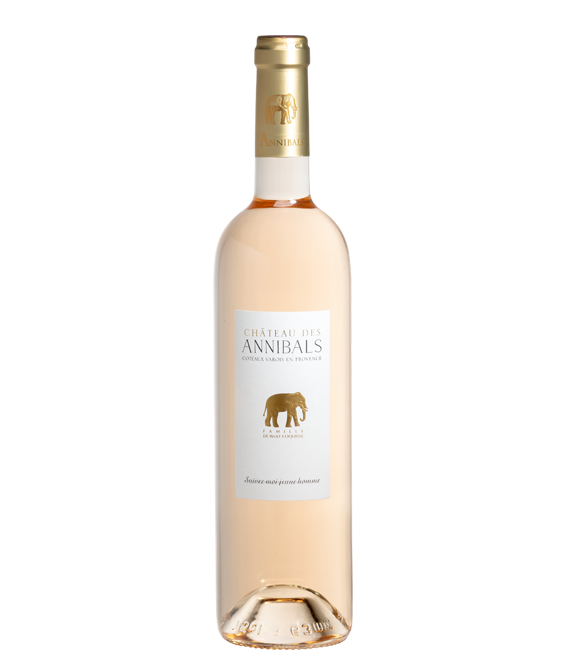
Château des Annibals demonstrates what stylistic variety can look like within a single estate. The IGP “La Cuvée des Annibals” and the AOP “Suivez-moi-jeune-homme” are two distinct expressions from the same address — the Cinsault-dominant Cuvée des Annibals is approachable and fresh, an easy entry BTG or everyday retail selection; the Grenache-forward Suivez-moi-jeune-homme delivers more structure and finesse, a premium pour with a story worth telling. Both are organic. Both are from Brignoles, Provence Verte. Neither is interchangeable with the other.
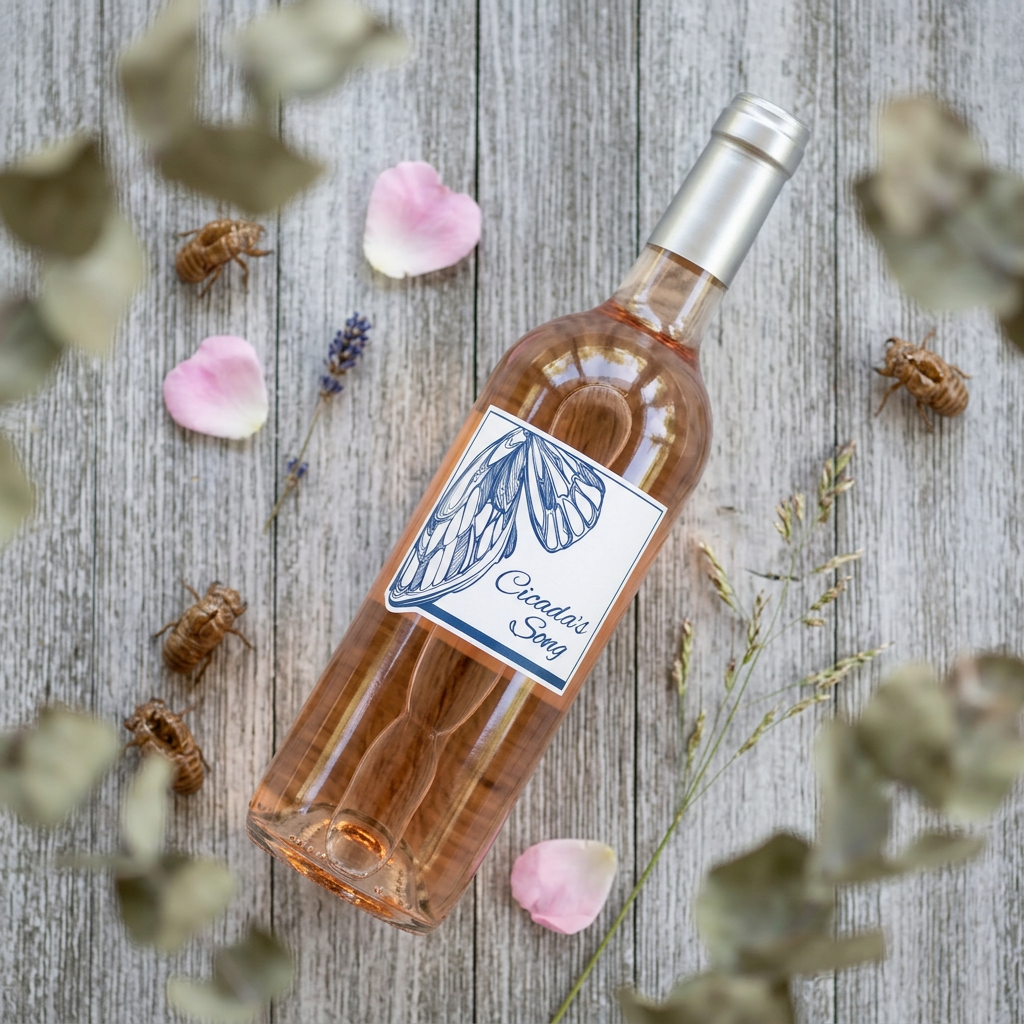
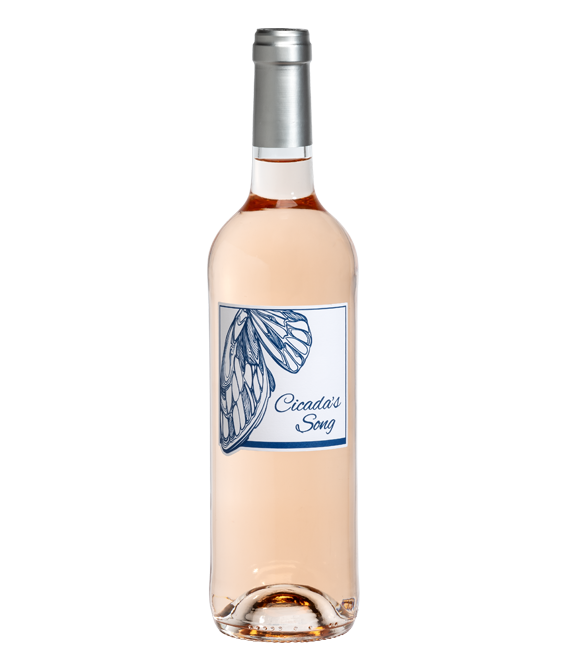
Also bottled at Château des Annibals: Cicada’s Song, a certified organic IGP Var rosé that takes a different approach entirely. The blend is 45% Cinsault, 35% Caladoc, and 20% Grenache, grown on clayish and chalky soils at 1,000 feet in central Provence. Classic Provençal aromas of fresh red berries, melon, and white flowers — but the elevation and the Caladoc bring a savory complexity and minerality that the coastal pale-pink standard doesn’t have. Same care, different story. Three expressions from one address, each with its own place on a list.
Does my program include wines from outside France?
Most rosé programs only include France. That’s understandable. France has defined rosé for a very long time, and this season’s selections reflect that — wines from Provence, the Rhône, the Loire, and Languedoc. But two producers in this year’s lineup come from outside France for reasons that go beyond novelty.
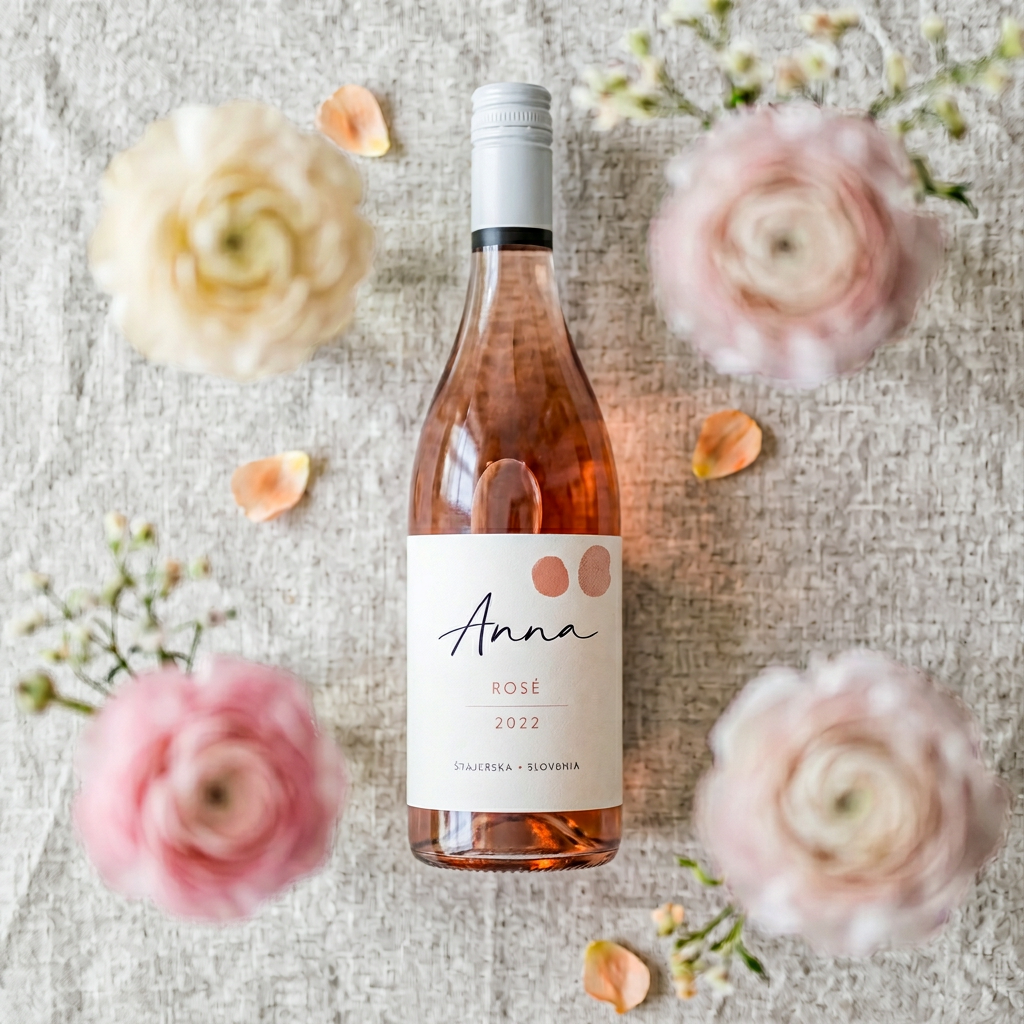
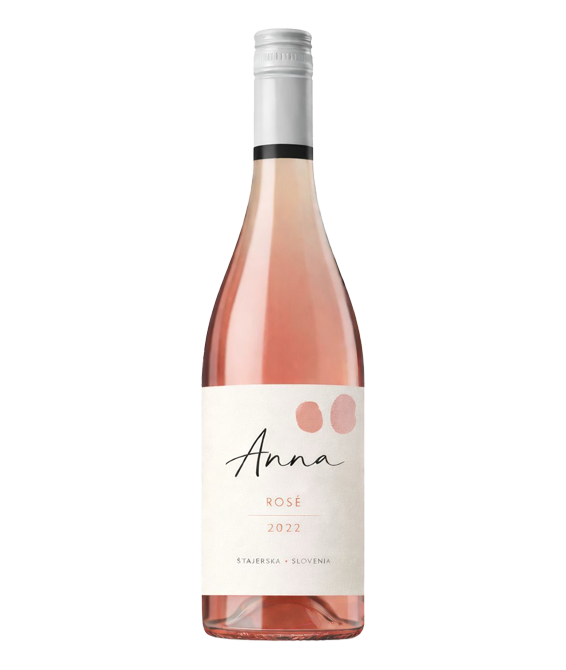
In 2023, SevenFifty Daily named Slovenia as an emerging region. Peter Gönc works in Štajerska, in northeast Slovenia, with grape varieties that have no real parallel in France. The Cuvée Anna — named after his grandmother — is a blend of Žametna Črnina, Blaufränkisch, and Pinot Noir. Cuvée Anna is Provençal in freshness and approach but carries the mineral snap and aromatic intensity of northeast Slovenia that no Grenache-Cinsault blend can replicate.
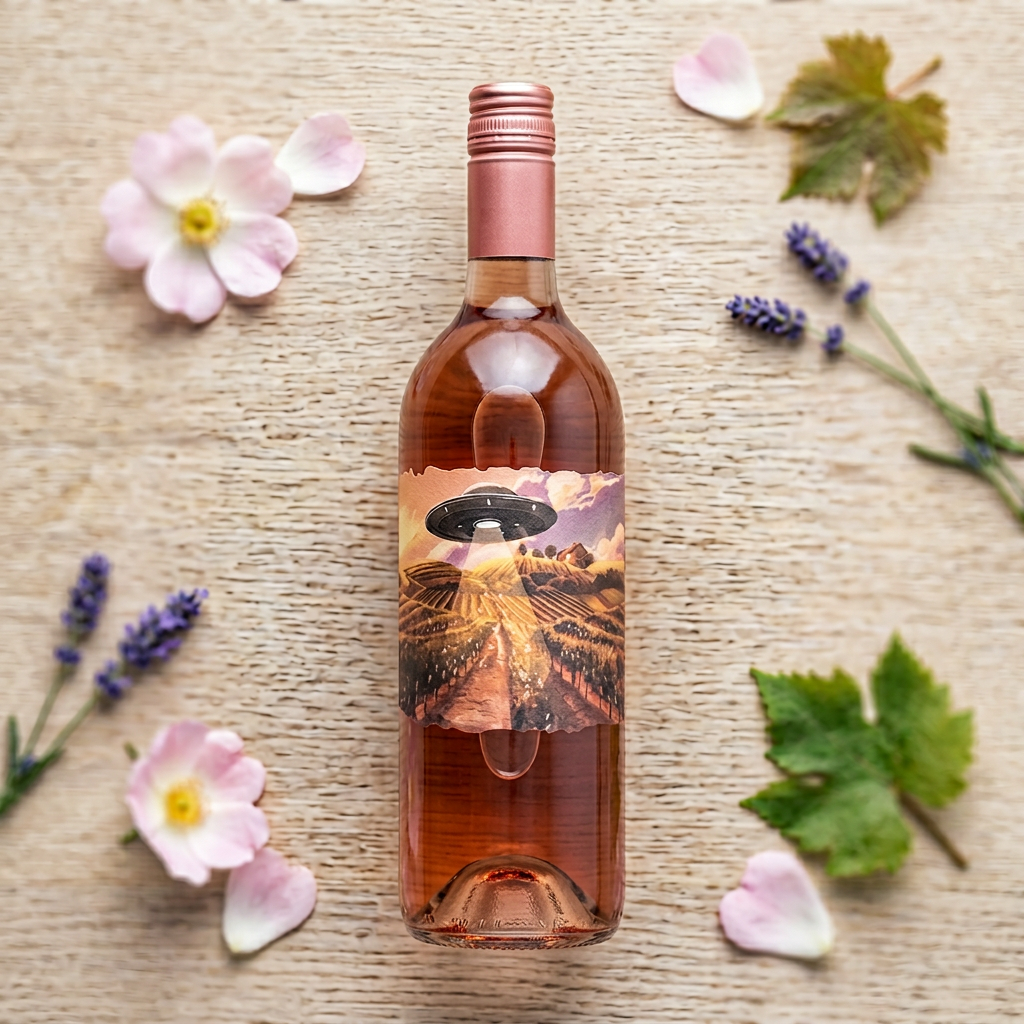
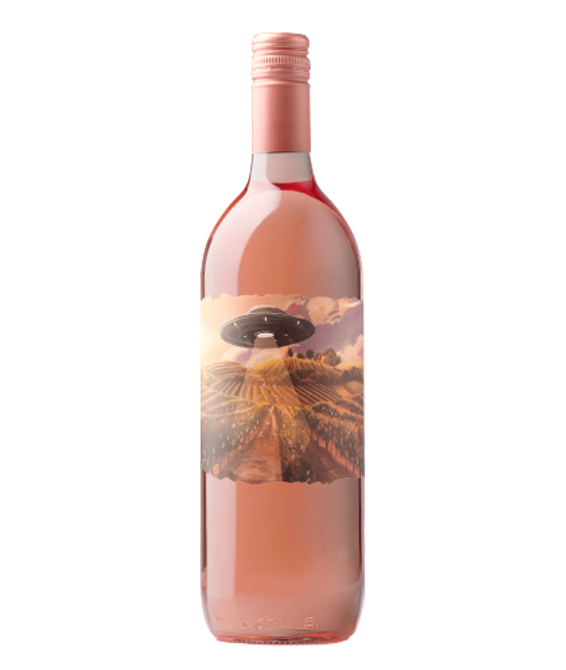
The Grape Abduction Rosé goes darker and more fruit-driven — the right choice when a customer wants something with more presence.
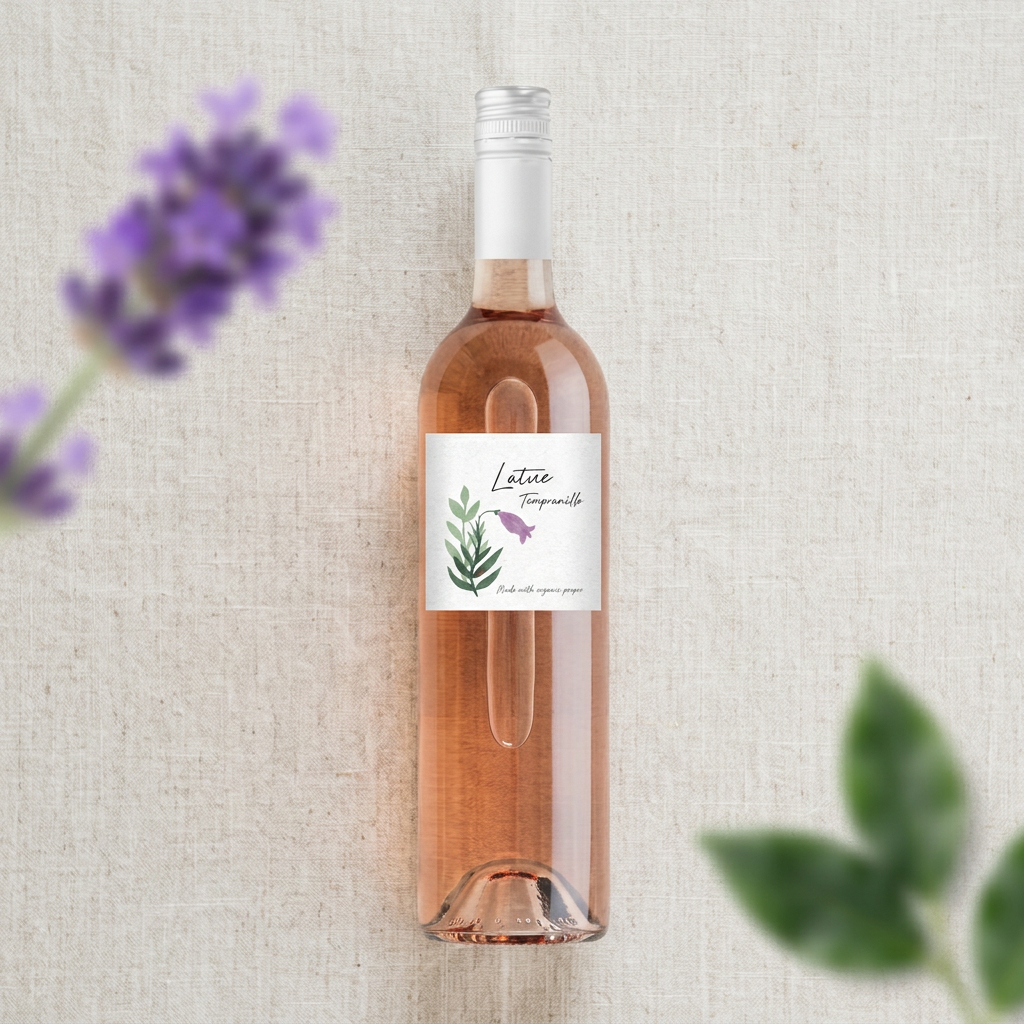
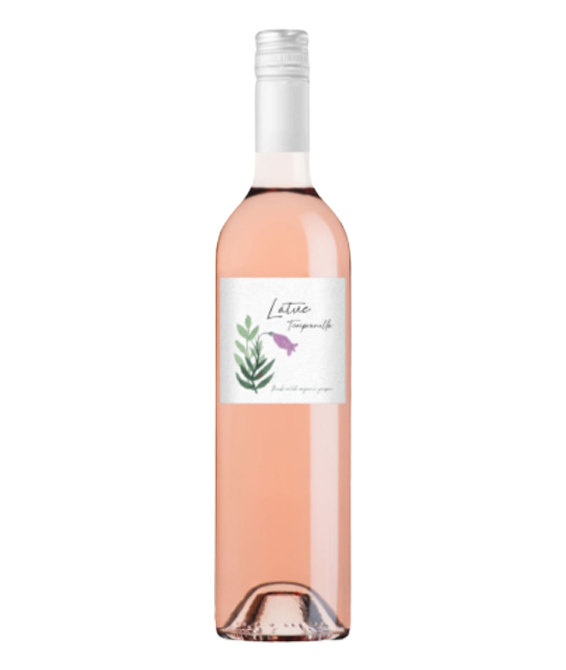
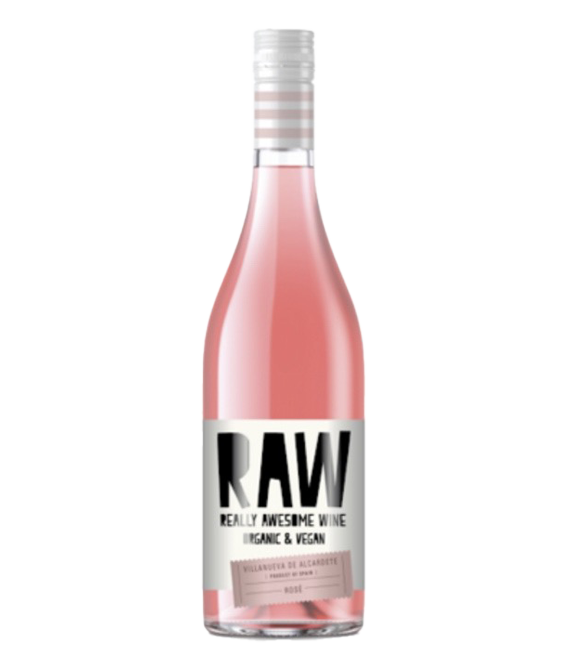
Spain fills a different gap. Bodegas Latúe and RAW are both from La Mancha, made from 100% Tempranillo, and certified organic. Tempranillo needs no introduction — it’s the backbone of Rioja and one of Spain’s most recognized grapes. What’s unusual is a rosado of it.
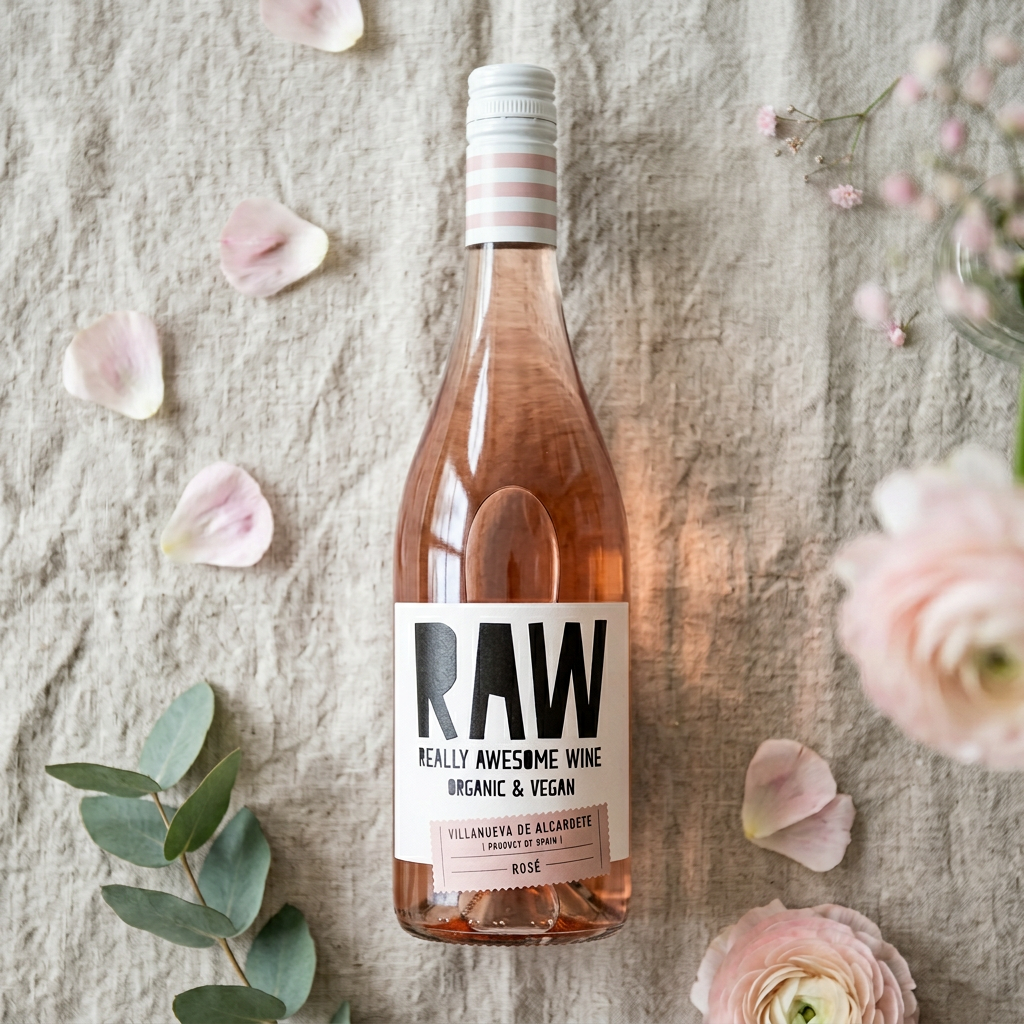
A 100% Tempranillo rosado from organic La Mancha is genuinely unexpected. Tempranillo is also a grape customers already trust, at a price point that works. Both wines land in the $16–$17 SRP range.
Does my program give staff something interesting to say?
The person standing between the wine and the customer is the most important variable in any sale. Someone who can answer “what’s good?” with something specific sells more wine than someone who falls back on “it’s light and refreshing.” The most effective staff training doesn’t build encyclopedic knowledge — it builds confidence. Give your team one true, memorable thing per bottle, and they’ll use it.
This collection has plenty to work with:
- Nathalie De Wulf Coquelle took over an estate in Brignoles and rebuilt it around organic farming and the particular character of her plateau.
- Peter Gönc named his rosé after his grandmother.
- The Žametna Črnina grape in both Slovenian wines is the same variety as the oldest living vine in the world, documented at between 375 and 400 years old.
- Elisa Gueneau produces one of the rarest wines in the Sancerre appellation. This rosé represents less than 1% of the region’s total output.
- La Perdrix grows its Grenache and Syrah on rounded galets — the same stone formations that define the most celebrated vineyards in Châteauneuf-du-Pape.
Give your team easy-to-remember details so they can answer the silent question every customer is asking: why this one? One true thing about the place, the person, or the way the wine was made turns a generic transaction into a compelling recommendation.
When you can answer these four questions with confidence, you have a rosé program, not just a rosé section. The wines are available now. Contact your sales representative or email marketing@jp-bourgeois.com to request samples or place an order.